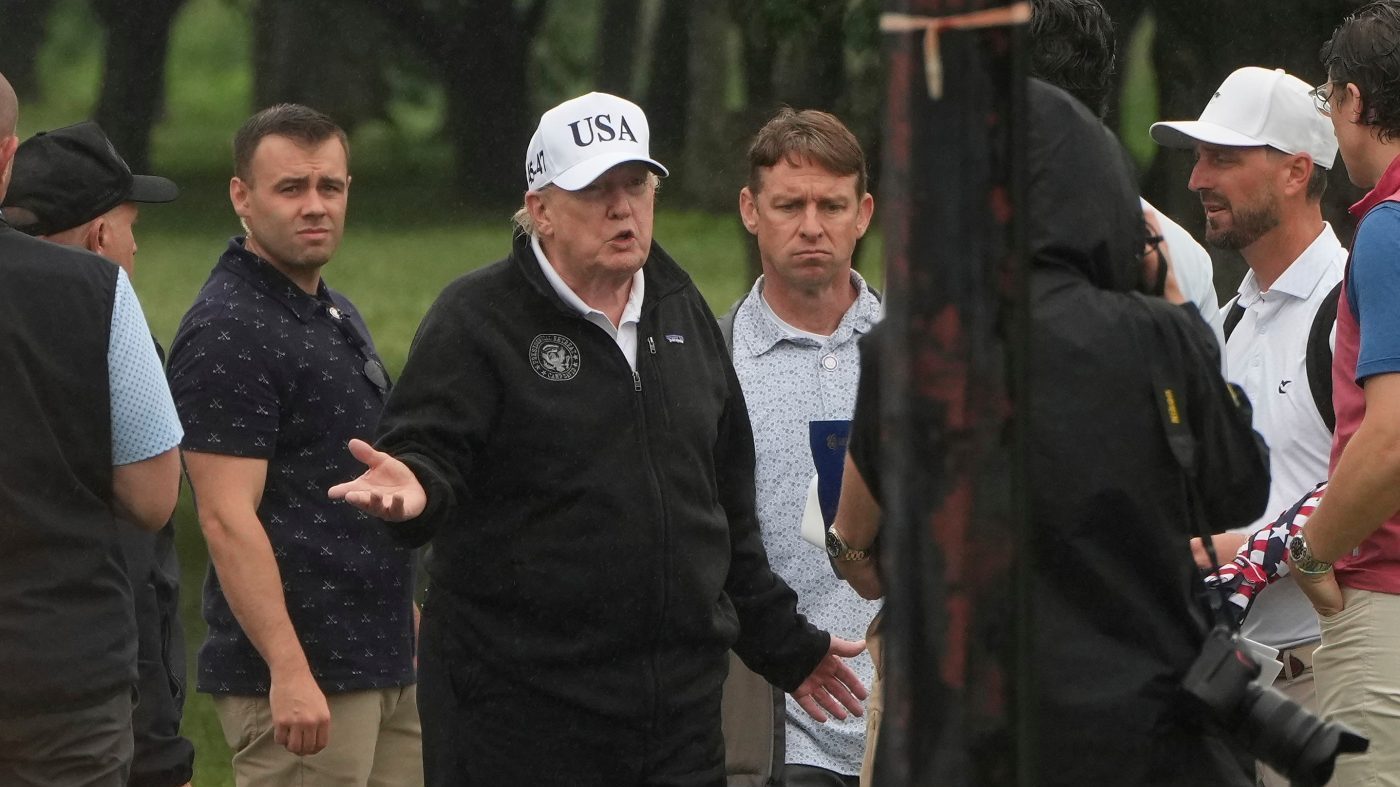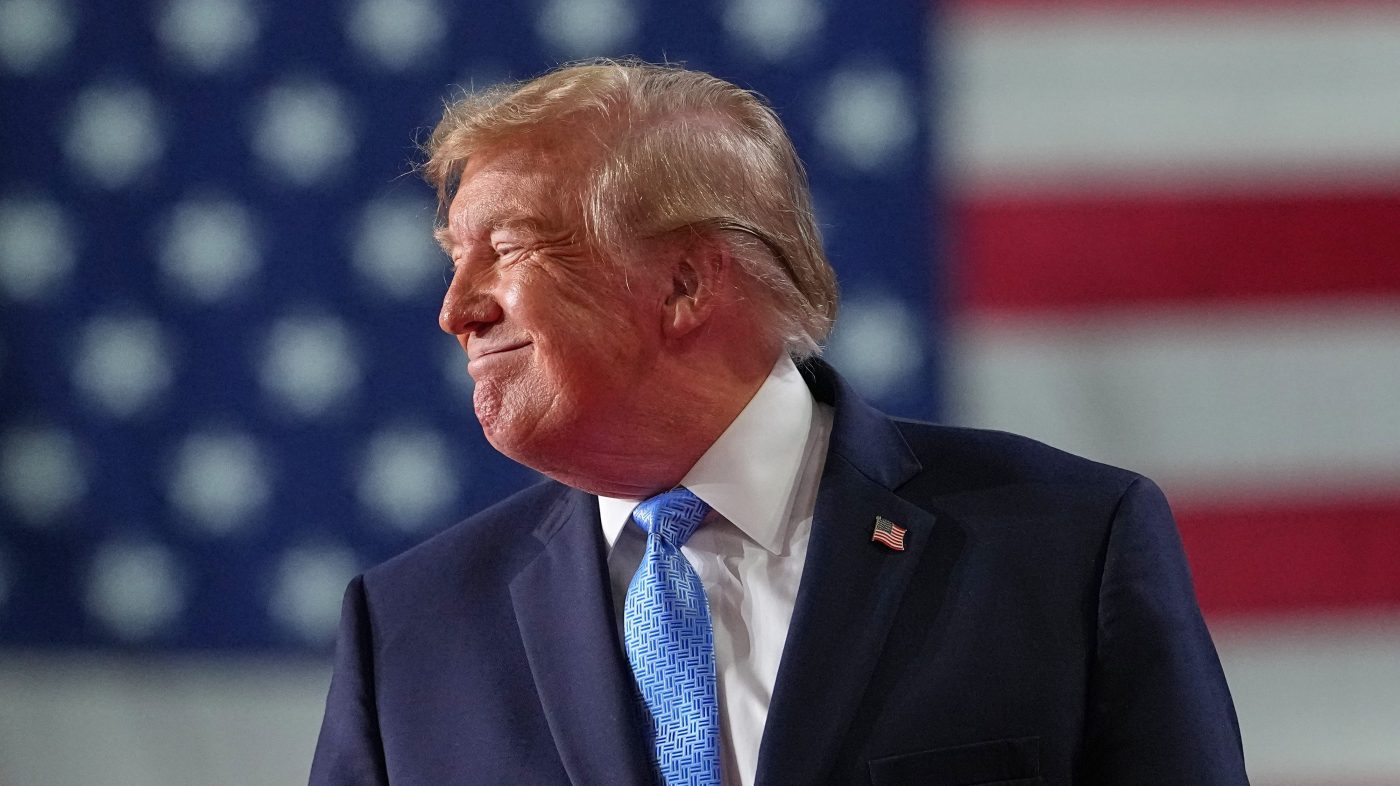
With exactly one week until the midterm elections, President Trump is taking his campaign blitz to Texas, scheduling rallies in Corpus Christi and Lubbock. The back-to-back events are part of a broader Republican effort to protect the party's congressional majorities and lock down key statewide offices in the Lone Star State.
Trump's itinerary is designed to energize the GOP base behind Governor Greg Abbott's reelection campaign and Attorney General Ken Paxton's bid for the U.S. Senate. Both races have become focal points in the final stretch, with Democrats hoping to capitalize on a favorable national environment. The president's presence underscores the stakes: Texas remains a Republican stronghold, but recent polling suggests tightening margins in several contests.
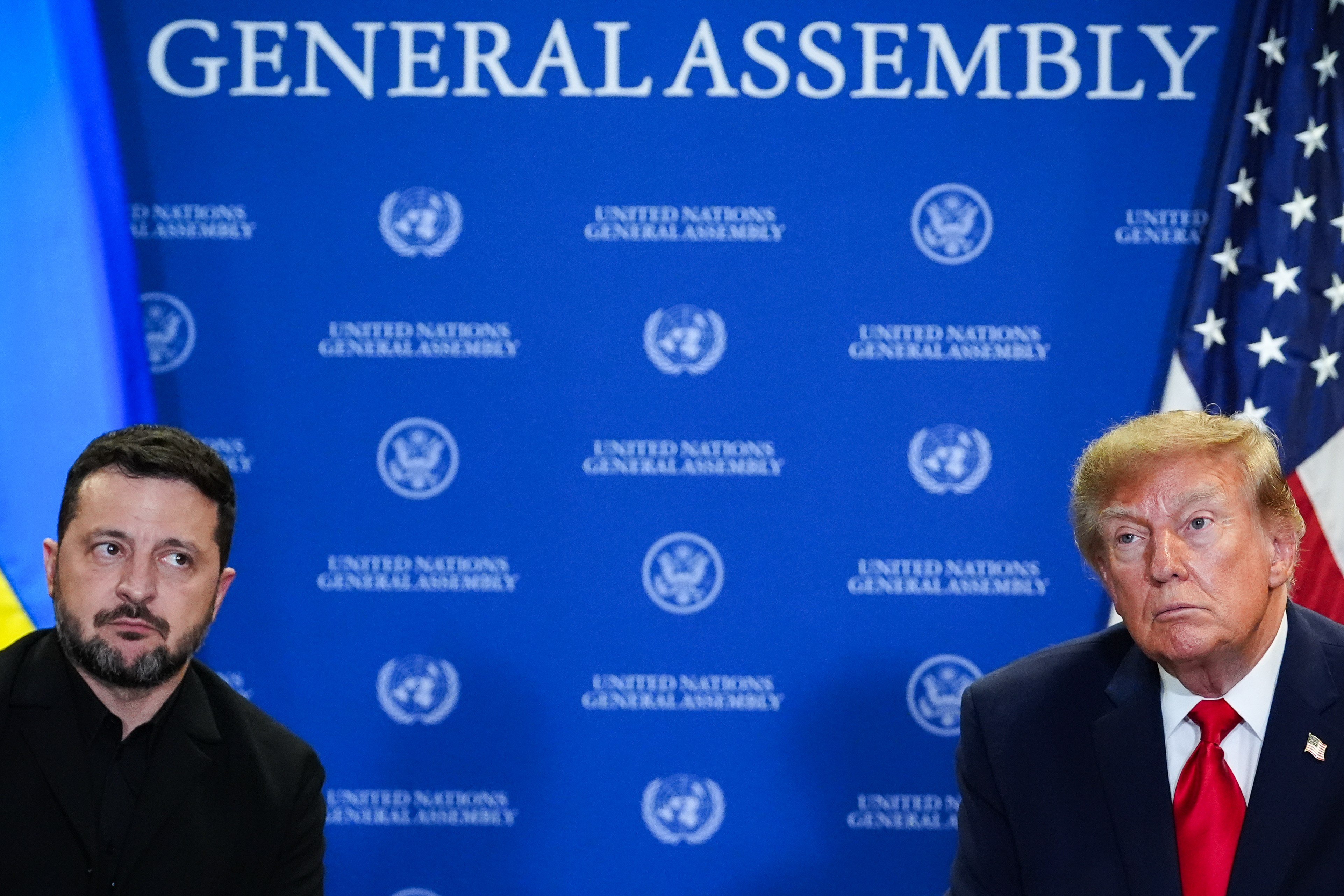
The Texas swing is the latest in a grueling travel schedule that has seen Trump on the trail nearly every day. His appearances are part of a wider strategy to shore up support in red states where the GOP cannot afford complacency. According to recent analysis of the red-state push, Republican operatives are worried that a Democratic wave could erode their advantages in traditionally safe seats.
Meanwhile, Vice President Vance is running his own parallel campaign operation. On Tuesday, he is scheduled to appear in Howell, Michigan, to stump for GOP Senate nominee Mike Rogers. Michigan has emerged as a critical battleground, and Vance's visit is aimed at rallying conservative voters in a state that has swung between parties in recent cycles.
The president's focus on election integrity has also intensified. On Monday, before traveling to Mississippi, Trump announced a $1 million reward for tips leading to arrests and convictions related to voter fraud. The move, which continues his months-long emphasis on election security, drew immediate criticism from Democrats and voting rights advocates who argue it could intimidate voters and spread misinformation.
In a related legal development, a federal appeals court on Monday declined to force California to set aside roughly 20,000 mail ballots that the state says are likely from noncitizens. The 2-1 decision leaves the matter with a trial judge, who is scheduled to hold a hearing on Tuesday. The case has become a flashpoint in the broader debate over voting laws and citizenship requirements.
Tuesday also brings elections in Israel, where an estimated 67,000 Israelis are expected to cast ballots. Trump has endorsed his ally, Prime Minister Benjamin Netanyahu, earlier this month. Polls close at 4 p.m. EDT, and results are expected to be closely watched by international observers.
As the campaign enters its final days, the dual tracks of rallies and legal battles are converging. Trump's election gambits have drawn scrutiny from legal experts, who warn that the tactics could have long-term consequences for democratic processes.
For Republicans, the immediate priority is turnout. With early voting underway in many states, the party is relying on Trump's ability to mobilize his base. But rising gas prices and lingering economic concerns continue to weigh on voter sentiment, complicating the GOP's message.
The coming week will test whether Trump's rallies can overcome the political headwinds. In Texas, Abbott and Paxton are hoping the president's presence will provide the final boost needed to secure victories. But with Democrats targeting suburban voters and independents, the outcome remains uncertain.