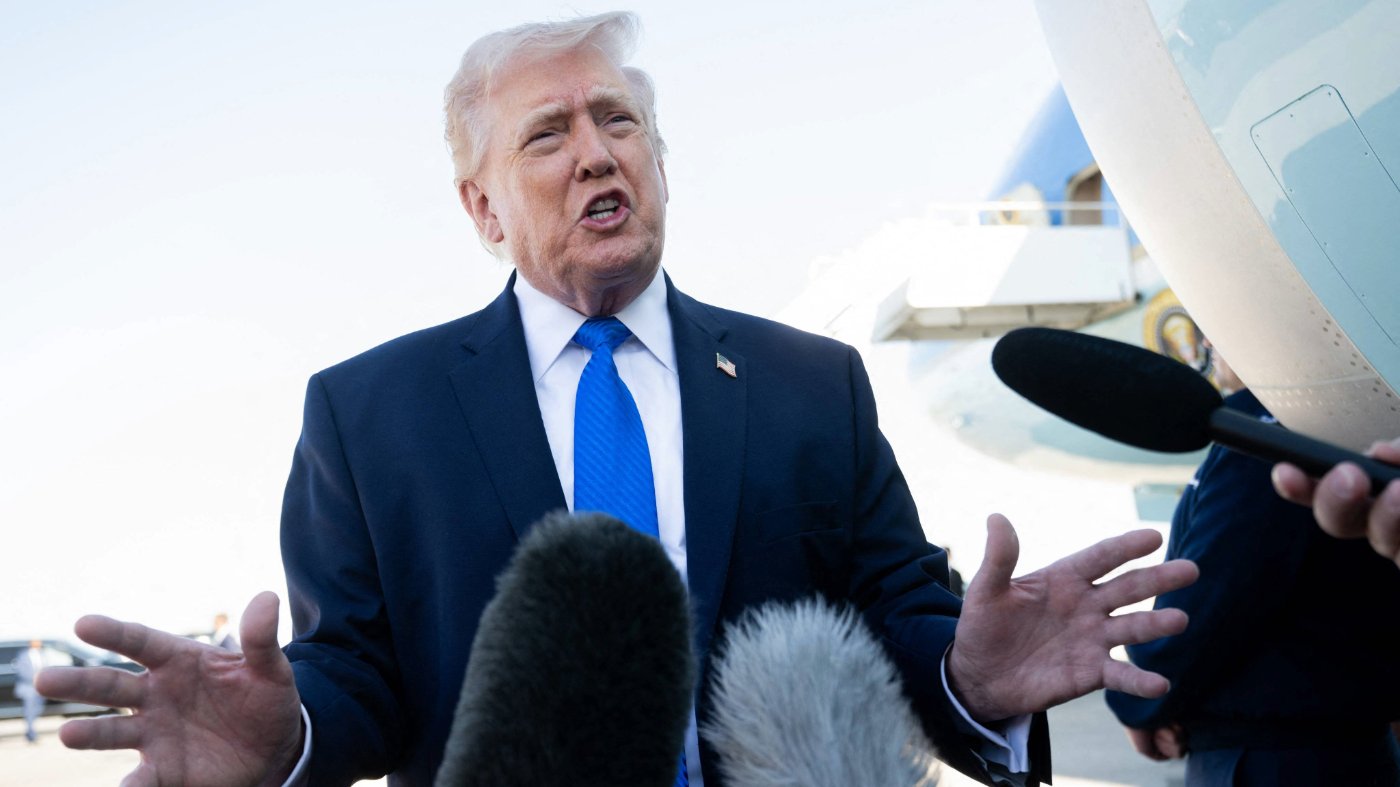
President Trump has filed a federal lawsuit seeking $10 billion in damages following the unauthorized disclosure of his tax returns by an IRS contractor in 2019 and 2020. While the legal action itself may be viewed skeptically, it centers on a legitimate and long-standing principle: all taxpayers, regardless of status, are entitled to have their confidential information protected by the Internal Revenue Service.
The Foundation of Taxpayer Privacy
For decades, bipartisan consensus in Congress has established strict legal safeguards for taxpayer data, a reaction to the abuses of the Nixon era. These laws, supported by criminal penalties for unauthorized disclosure, were designed to give Americans confidence that sensitive financial information shared with the IRS would remain confidential and be used solely for lawful tax administration. This expectation has been foundational to voluntary compliance with the tax system.

The contractor responsible for leaking Trump's returns, Charles Littlejohn, exploited outdated IRS security systems. He was subsequently convicted and received a five-year prison sentence, the maximum allowable. Some commentators framed his actions as a public service, given the unusual secrecy surrounding Trump's finances, but they constituted a clear violation of law and public trust.
Administration Actions Undermine Protections
The central contradiction lies in the administration's own policies. While Trump invokes privacy protections in court, his Treasury Department, under Secretary Scott Bessent, has moved to erode them. A key example is a large-scale data-sharing agreement with the Department of Homeland Security for immigration enforcement, reversing a longstanding IRS policy. Treasury officials overruled agency lawyers who warned the move was unlawful.
This shift risks undermining tax compliance, with estimates suggesting it could deter filing and cost over $300 billion in lost revenue over ten years. Federal judges have already blocked aspects of this data sharing, ruling it violates privacy statutes. The IRS has since admitted to mistakenly sharing additional taxpayer data with DHS.
Further actions have chipped away at confidentiality norms. The administration may have violated the law by publicly disclosing Harvard University's audit status for perceived political reasons, as detailed in coverage of the administration's escalating legal fights with elite universities. Political appointees have also reportedly sought expansive, unprecedented access to protected taxpayer information across agencies for purposes beyond tax administration, creating significant legal risk.
Hollowing Out the IRS
Concurrent with these policy shifts, the administration has significantly weakened the IRS's institutional capacity. Staffing has been reduced by approximately one-quarter in less than a year, increasing reliance on contractors—a group the Government Accountability Office has flagged as a security vulnerability. Among the departures were 30% of the IRS privacy office's employees, including the chief privacy officer who opposed the DHS data sharing. Senior IT leadership has also seen an exodus.
This staffing crisis compounds a chronic lack of resources. A recent government funding deal clawed back nearly $12 billion intended for modernizing the IRS's antiquated IT systems. The leaks occurred after a decade of deep funding cuts, with the IRS itself citing a lack of resources for its failure to implement recommended data safeguards. While a 2022 funding surge allowed for some security improvements, the current cuts make robust, long-term protection of taxpayer data more difficult.
This pattern of governing—pursuing aggressive policy shifts while depleting the expertise and capacity of federal agencies—mirrors approaches seen in other areas, such as the partisan overhaul of the civil service that has driven out experienced talent.
The result is a precarious situation for taxpayer privacy. The president is leveraging a past breach to seek personal gain through the courts, even as his administration's actions and resource decisions make future breaches more likely. This undermines the rule of law and the integrity of the tax system, leaving all taxpayers' sensitive information at greater risk.