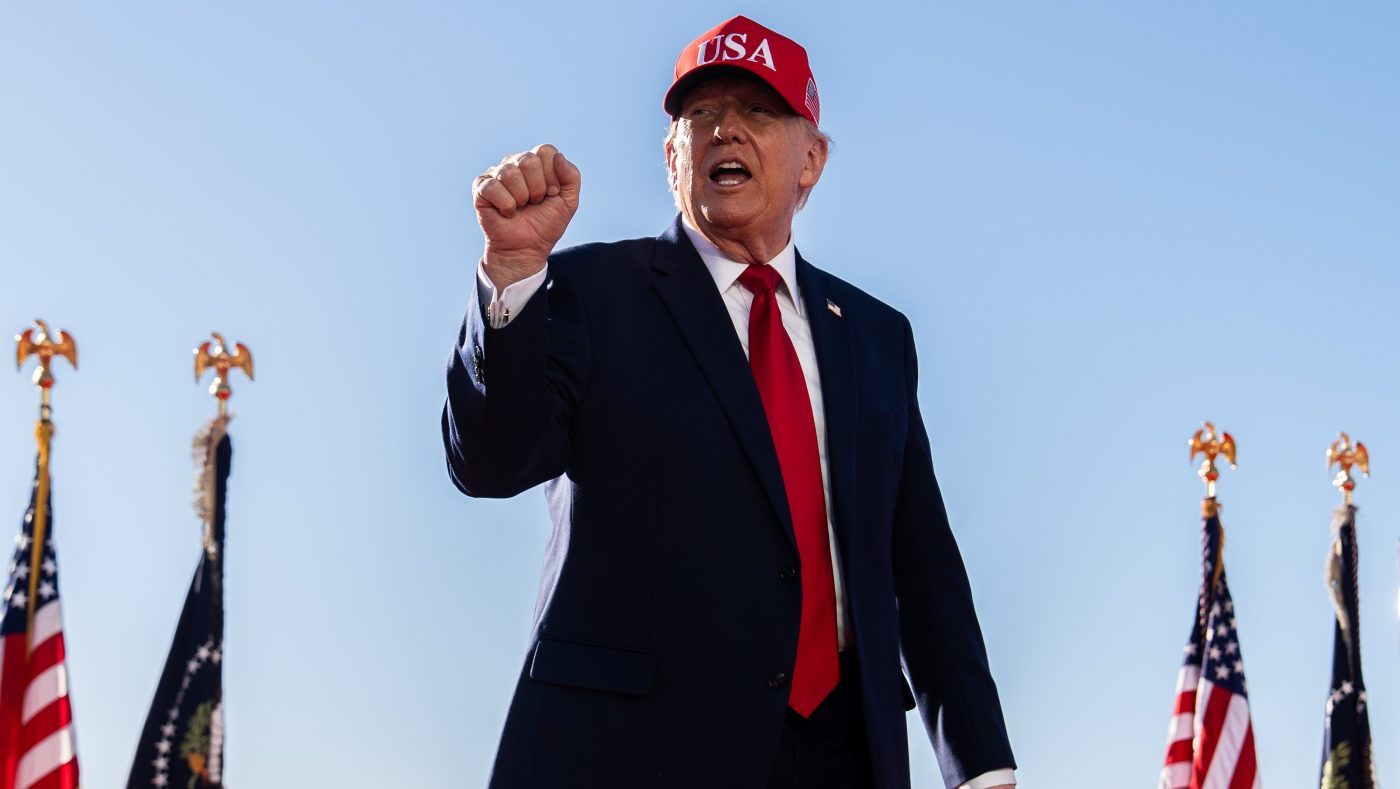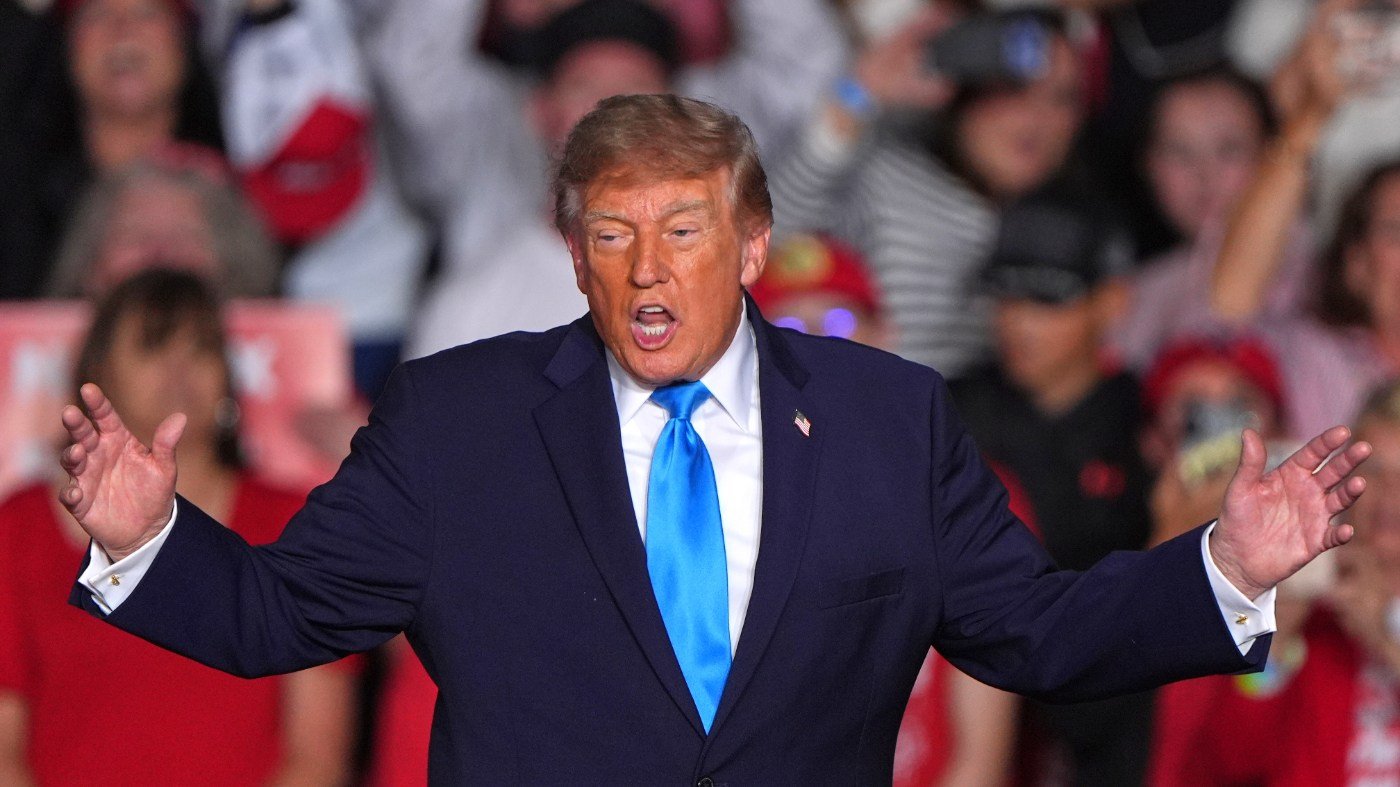
President Trump's approval numbers are sliding, and both his fiercest critics and most loyal supporters are scrambling to explain why. Opponents point to his policy record; supporters blame a hostile press. But a growing theory suggests the real culprit may be something more basic: sheer overexposure.
According to RealClearPolitics' polling average, Trump's approval now stands at 38.5 percent—lower than George W. Bush's 37.7 percent and Barack Obama's 43.3 percent at comparable points in their presidencies. While critics argue this reflects dissatisfaction with his agenda, it's worth noting that less than two years ago, Trump won a decisive victory on that same agenda, securing his largest electoral margin yet and a clear rejection of the Biden-Harris administration.
Supporters, meanwhile, have a point about media bias. A Media Research Center analysis of Trump's first 100 days in office found 92 percent negative coverage, with positive achievements often downplayed or ignored. Yet even if the press were fairer, the sheer volume of coverage might be doing damage.
Trump's political trajectory is historically unusual. He is only the second president since Franklin D. Roosevelt to run for the office three consecutive times, winning twice and losing once. That means he has dominated the national political stage since 2016, enduring a level of scrutiny unmatched in modern history—and arguably more intense than any predecessor faced.
The media environment has changed dramatically since Roosevelt's day. Then, news came through radio, print, and newsreels, with a finite cycle that ended each evening. Today, a 24/7 news ecosystem floods every device with headlines, alerts, and commentary. Even when coverage isn't deliberately negative, the sheer volume is overwhelming.
Consider any public figure who has been in the spotlight for years—not just Warhol's fifteen minutes, but a prolonged immersion. Unless you're a devoted fan, you eventually tire of them. The media keeps presenting them, and you reach a saturation point. The Trump Saturation Syndrome hypothesis holds that independent and undecided voters—those not firmly in either camp—have simply tuned out.
Trump himself has fueled this dynamic. No one has craved media attention more or been more adept at generating it, from his pre-political days to his use of the bully pulpit. His constant tweets, comments, press conferences, and appearances keep him at the center of every news cycle, often multiple times a day.
This unprecedented coverage may be taking a toll not just on Trump but on the presidency itself. We have now seen three consecutive one-term administrations, after a stretch from 1936 to 2016 when only two presidents failed to win reelection. That pattern suggests the office itself may be becoming unsustainable under the intense, hyperpartisan scrutiny of modern politics.
If Trump's numbers continue to fall, the explanation may be less about his policies or media bias than about a weary electorate that has simply had enough. For a president who thrives on attention, that would be the cruelest irony.