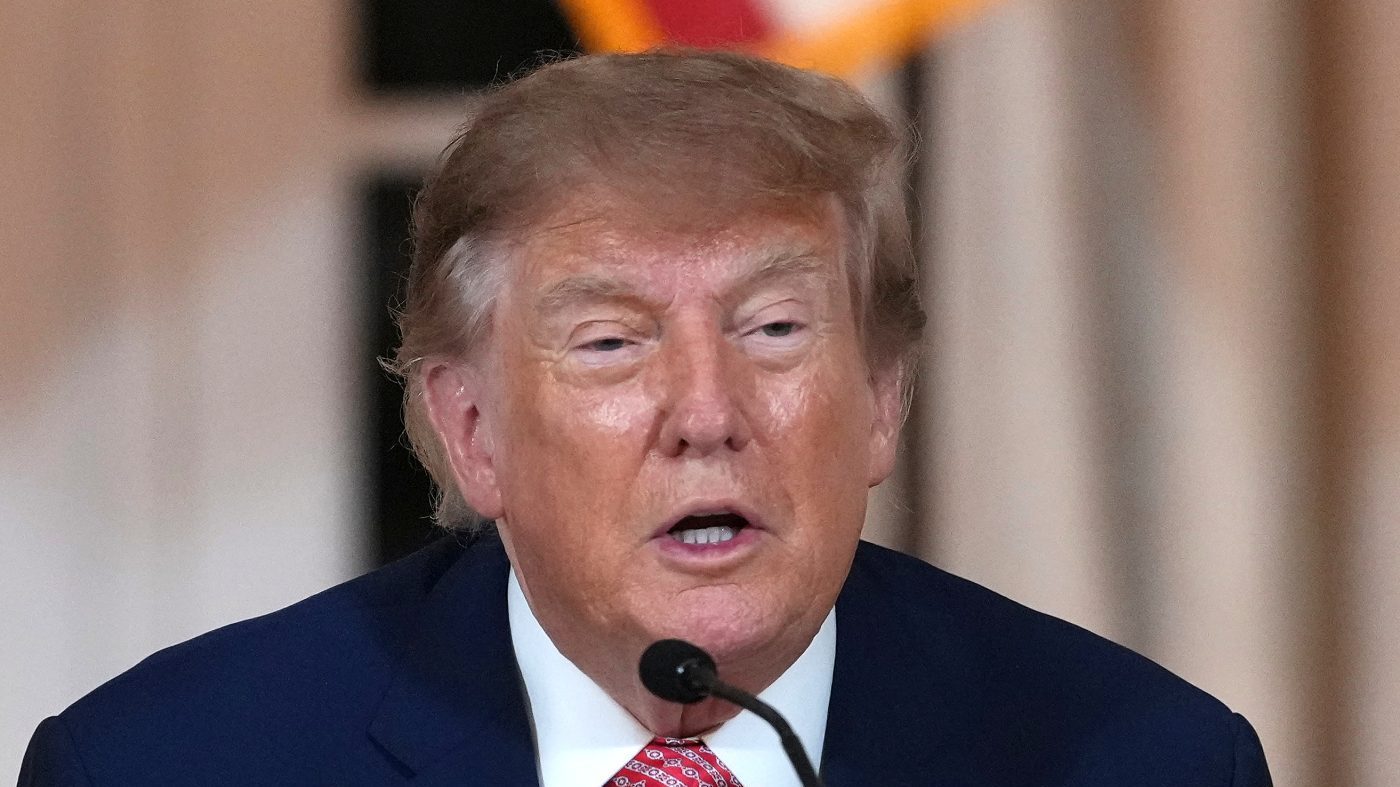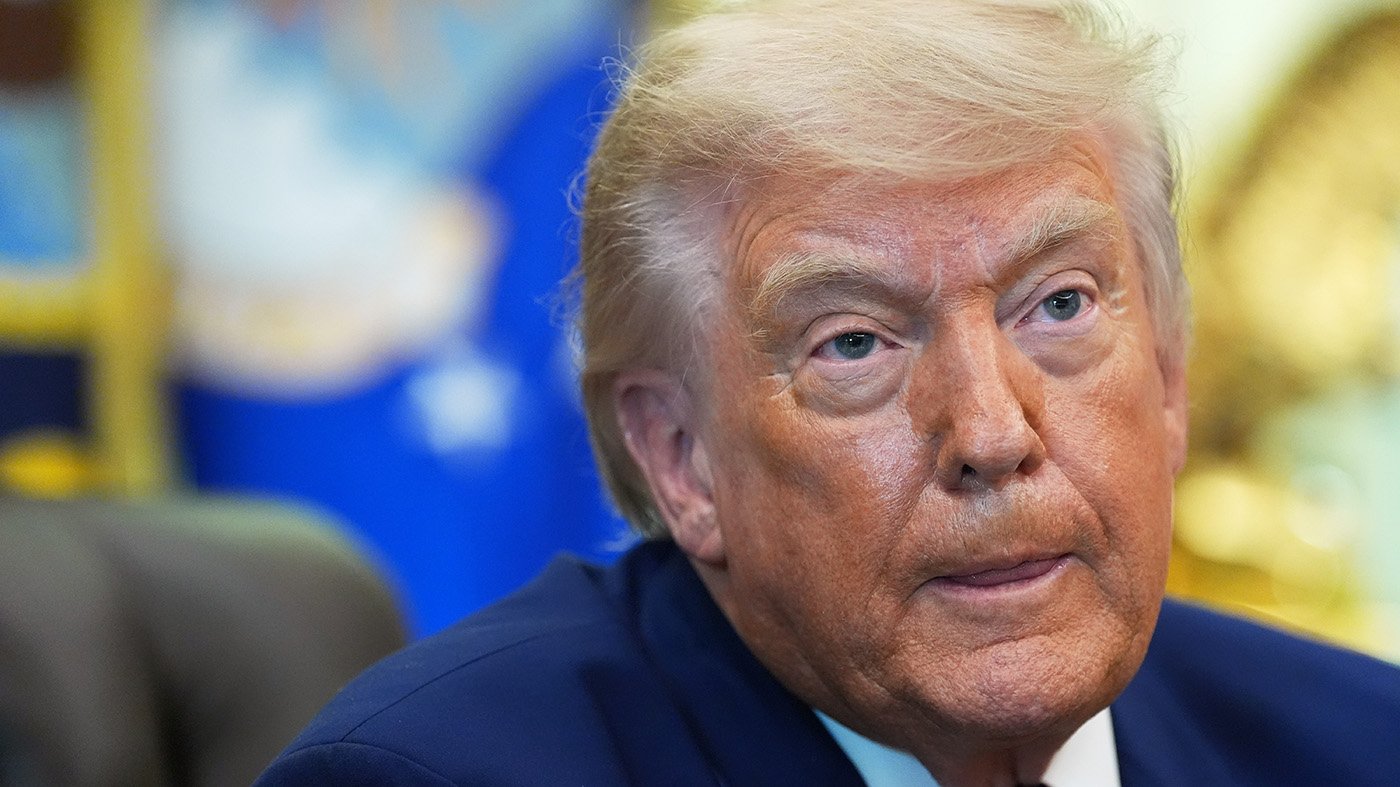
President Donald Trump's net approval rating has plunged to a record low, according to a new analysis from The Economist's polling tracker, which has monitored public opinion on presidential job performance since 2009 using YouGov data. The tracker shows Trump's net approval now stands at -25 percentage points, making him the most unpopular president in the history of this particular metric.
The decline comes as Americans continue to grapple with soaring energy costs linked to the ongoing military conflict with Iran. The Trump administration is currently engaged in delicate negotiations with Tehran over a nuclear weapons agreement and the reopening of the Strait of Hormuz, a critical chokepoint for global oil shipments. These talks have done little to ease domestic frustration over rising prices at the pump.
According to The Economist's issue-specific breakdown, Trump's approval on inflation and prices is the worst, with a net rating of -43 percent. He fares comparatively better on jobs and the economy, foreign policy, immigration, and crime, but the overall picture remains bleak for a president who once promised to bring down costs.
Gas prices in the United States averaged over $4 a gallon on Thursday, up from around $3 a gallon a year ago, according to AAA. White House officials have attempted to frame these increases as temporary sacrifices necessary for long-term regional stability, but the message has not resonated with voters feeling the pinch.
In May, Trump dismissed concerns about the financial burden on Americans during negotiations with Tehran. “I don’t think about Americans’ financial situations,” he told reporters. “I don’t think about anybody. I think about one thing: We cannot let Iran have a nuclear weapon.”
The president's stance has sparked unease within his own party. Four Republican lawmakers crossed party lines on Wednesday to support a war powers resolution aimed at curbing the administration's military actions against Iran. The House vote, which passed largely along party lines, drew a sharp rebuke from Trump on his Truth Social platform, where he called it “meaningless” and accused the defectors of undermining his negotiating position.
The internal GOP dissent mirrors broader voter discontent and comes as the Senate gears up for a contentious vote-a-rama on immigration funding, further complicating the White House's legislative agenda. Meanwhile, Iranian hardliners are defying Trump, threatening to collapse the fragile ceasefire and prolong the conflict that has driven up energy prices.
Trump's approval rating slide also echoes trends seen in other races. For instance, Ohio's Senate race shows Democrat Sherrod Brown leading Republican Matt Husted by 8 points, a gap that analysts attribute in part to Trump's declining favorability.