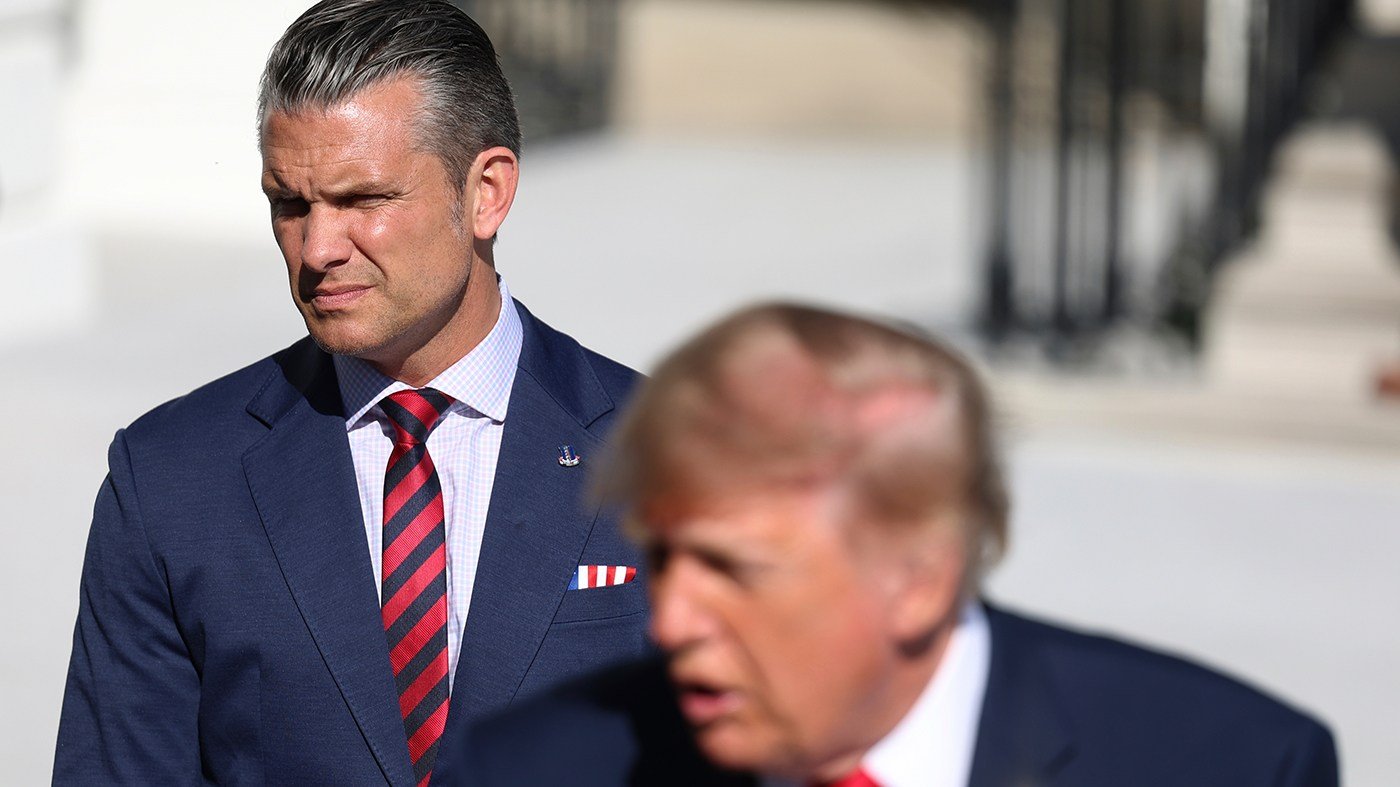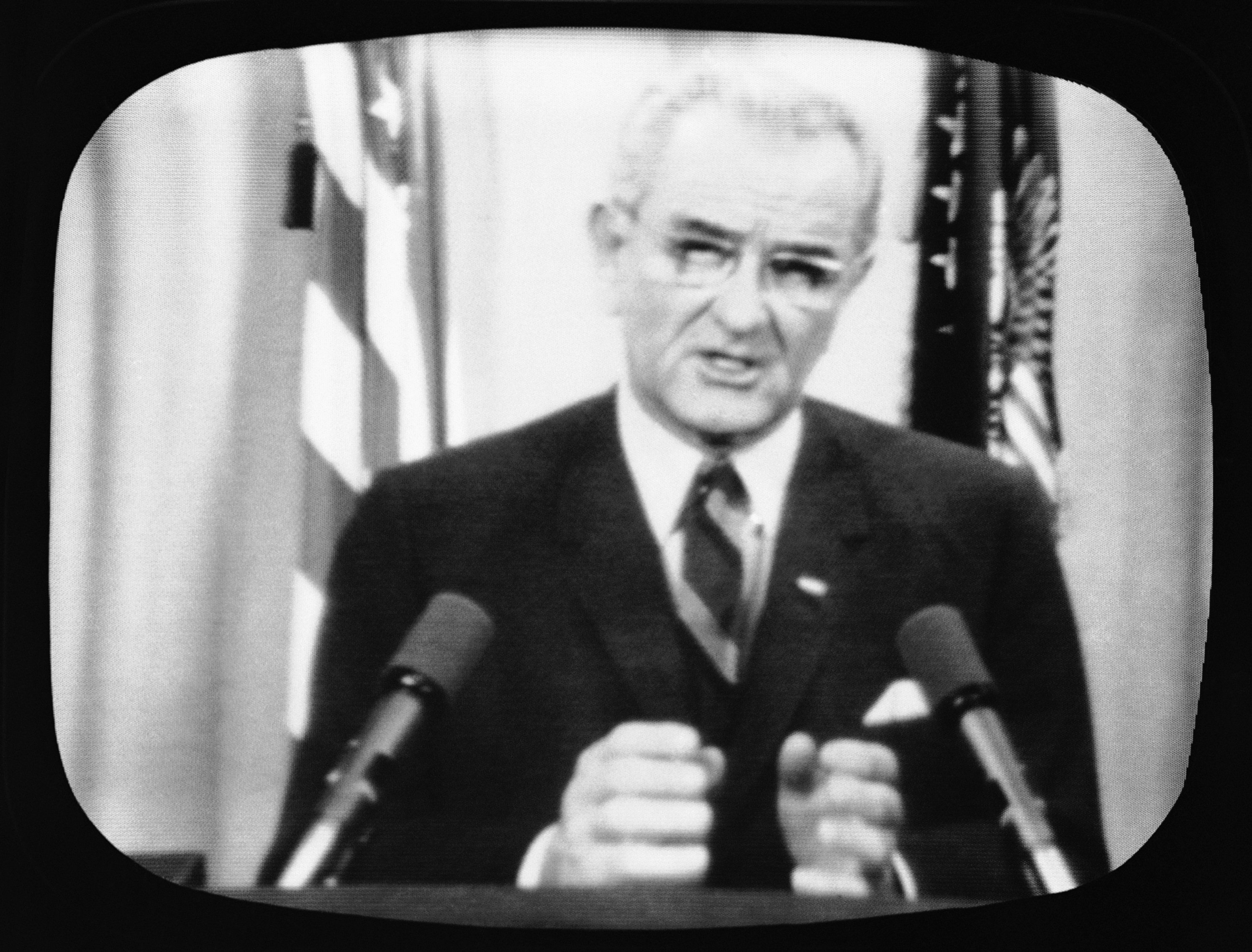
President Trump and his national security team are channeling a failed Cold War playbook in their approach to Iran, one that ended in disaster for Lyndon Johnson in Vietnam.
Operation Rolling Thunder, the limited U.S. bombing campaign against North Vietnam from 1965 to 1968, was designed to gradually pressure Hanoi into negotiating. Instead, it prolonged the war and ultimately paved the way for the fall of Saigon in 1975. Today, the Trump administration appears to be applying the same gradualist logic to Tehran, hoping that incremental military strikes will force a change in behavior without a full-scale confrontation.
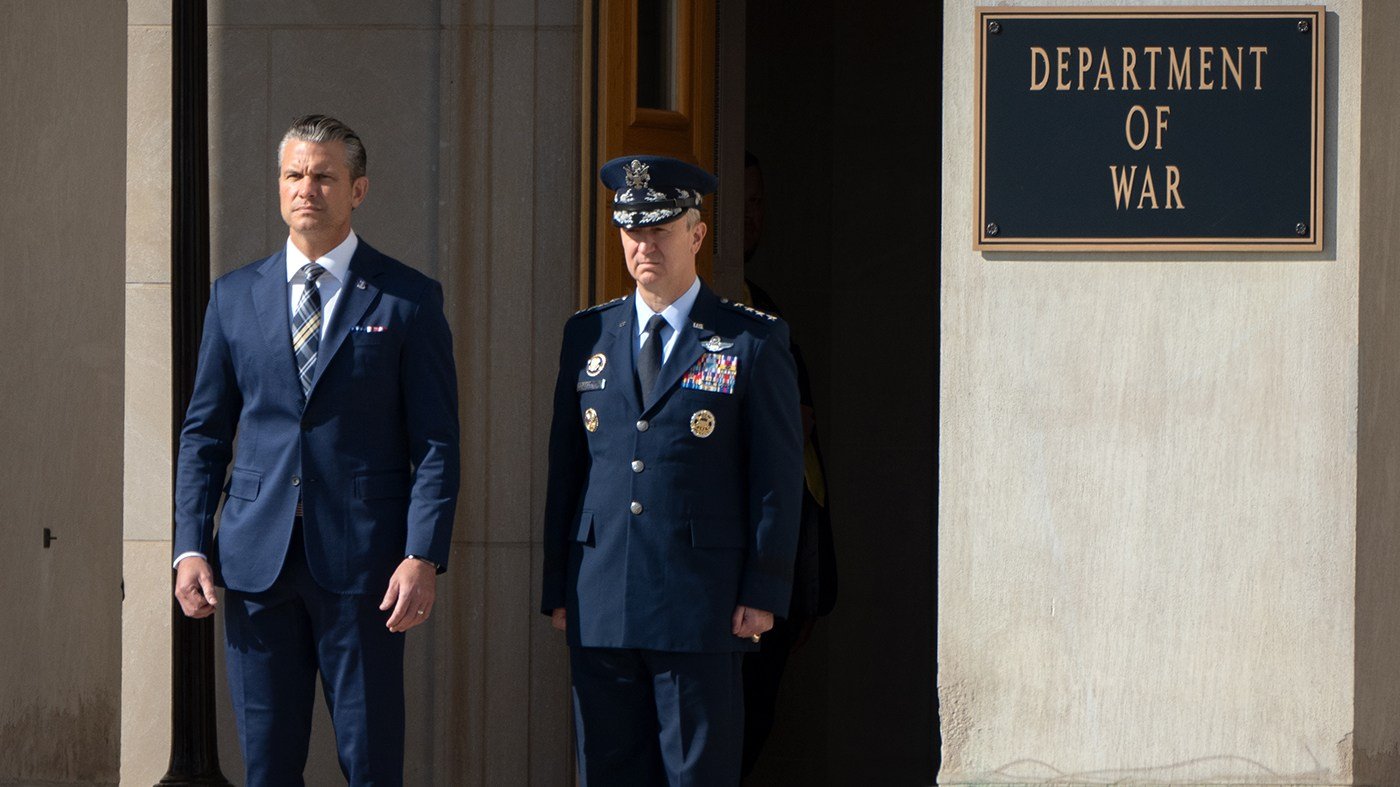
As with Vietnam in 1965, the current administration is trying to alter Iran's actions without first achieving military dominance. This approach is unlikely to succeed. Tehran, like Hanoi before it, is exploiting ambiguity about who truly holds power—whether it's the civilian government or the Islamic Revolutionary Guard Corps (IRGC)—to buy time and wait for political shifts in Washington, particularly the 2022 midterms.
The Limits of Airpower
History shows that airpower alone cannot compel a determined adversary to capitulate. Johnson suspended Rolling Thunder in May 1965 as a goodwill gesture to bring Hanoi to the table, but North Vietnamese leaders in Moscow refused even to meet with U.S. Ambassador Foy Kohler. Over the next three years, Johnson continued to escalate and pause bombing, hoping to coax the enemy into negotiations—a strategy that never worked.
Trump is repeating that error with Iran. The U.S. military has struck similar targets in Iran and proxy forces at least 16 times, according to U.S. Central Command, yet the IRGC continues to threaten shipping in the Strait of Hormuz. This "mowing the lawn" approach neither brings Iran to the table nor halts attacks, as seen in the recent seizure of vessels and harassment of commercial traffic.
The Decisive Terrain
A key failure in Vietnam was Johnson's refusal to define what victory meant or to focus on decisive terrain. Trump faces the same problem in Iran: the Strait of Hormuz is the strategic chokepoint that matters most, but the administration has opted to "control" it rather than "secure" it—a doctrinal distinction that leaves the waterway vulnerable to Iranian harassment.
By micromanaging military operations from the Oval Office, Trump risks falling into the same trap as Johnson, whose Tuesday lunches with Secretary of State Dean Rusk and Secretary of Defense Robert McNamara produced a quagmire. The White House must avoid repeating that mistake.
Tehran is willing to sign agreements, as seen in the June memorandum of understanding, but such deals do not bind the IRGC, which has no intention of honoring them. The regime sees time as its ally, and the approaching elections as a potential turning point.
If Trump truly wants to avoid a Vietnam-style quagmire, he must abandon the gradualist approach and either commit to decisive action or pursue a realistic diplomatic path—one that acknowledges the IRGC's role and the limits of airpower.
The lesson of Vietnam is clear: there is no slow squeezing of an enemy to the negotiating table. Trump has yet to learn it.