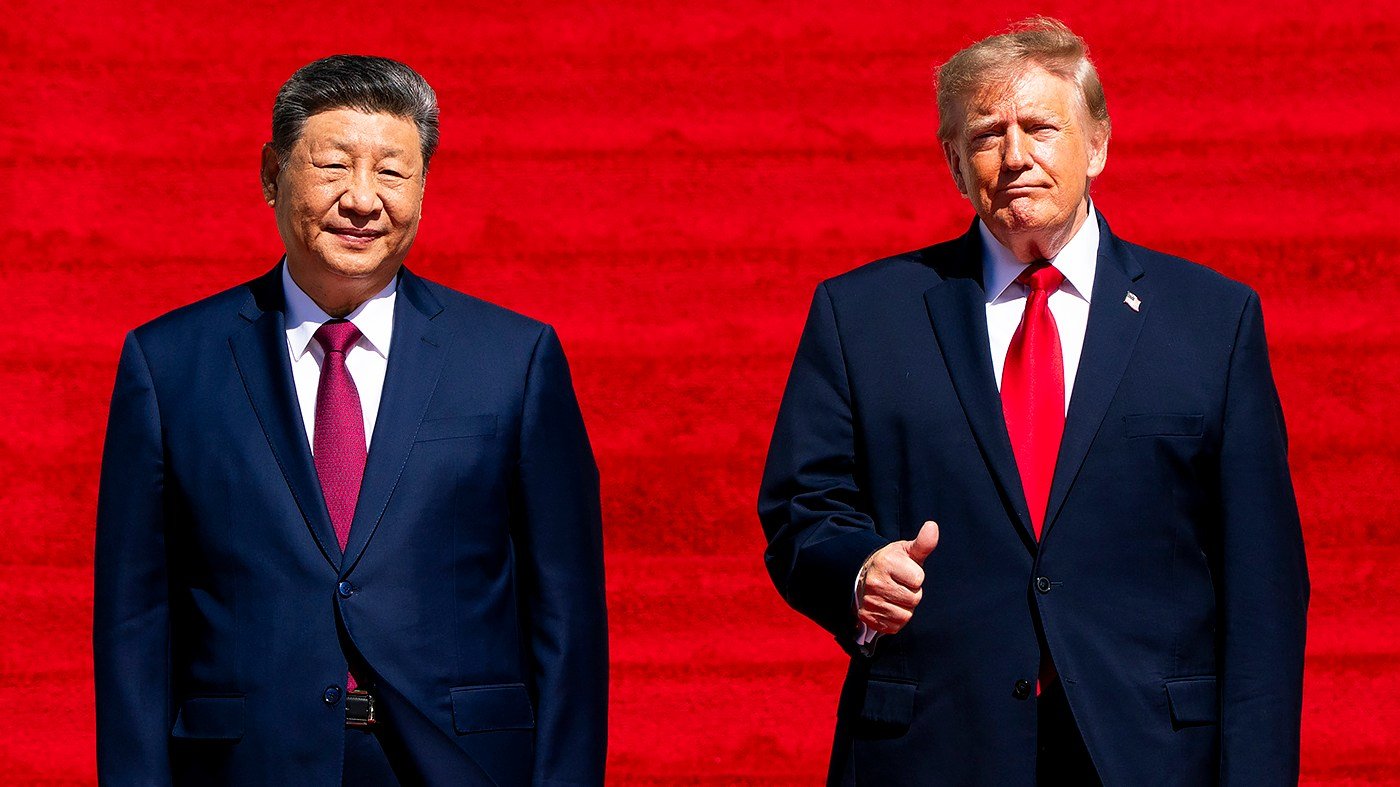
For decades, Beijing sought validation from Washington as an equal — a status that would cement its place on the world stage. President Trump has now handed Xi Jinping that prize, repeatedly framing their summits as a “G2” and rolling out unprecedented ceremonial honors that cast China as America’s principal strategic peer.
During Xi’s recent state visit, Trump broke with diplomatic convention by personally greeting the Chinese leader at Joint Base Andrews with a red carpet, a military flyover, and a 479-member honor guard at the White House. The symbolism was unmistakable: two superpowers meeting as equals. Trump’s own rhetoric reinforced the message, calling their encounters “THE G2” on Truth Social and describing them as “historic” meetings. His defense secretary, Pete Hegseth, echoed the term, signaling a shift from the first-term policy of tariffs and containment to a posture of managed rivalry.
This elevation of China comes with significant risks, particularly for U.S. allies in Asia and Europe. By framing the bilateral relationship as the axis of a bipolar world, Trump risks alienating partners like Japan, India, Australia, and NATO members, who fear their interests will be subordinated to Washington-Beijing bargains. The prospect of a U.S.-China duopoly, where the two powers set global rules while others adjust, is a strategic nightmare for these nations, which prefer a stable balance of power over a Sino-centric order.
Beijing has long rejected American hegemony while seeking equal treatment. Its preferred phrase, a “new model of major power relations,” aims to normalize the idea that no major global issue can be decided without China. Trump’s summit diplomacy has brought Beijing closer to that goal, even if the latest meeting produced no concrete agreements — only a two-month extension of the trade truce.
For Xi, the visit was a propaganda triumph, showcasing to the Chinese public and the world that under his leadership, China has achieved parity with the United States. The optics reinforced Beijing’s narrative of national rejuvenation and demonstrated that Washington can no longer dictate terms unilaterally.
Critics argue that peer competition does not require equal capabilities. China’s ability to impose retaliatory costs, as seen in its rare-earth export restrictions, proves it can resist coercion and shape outcomes independently. Engaging a powerful rival to avoid miscalculation is prudent, but publicly elevating China into a privileged condominium is a different matter.
The real losers may be America’s allies, who could be forced to hedge against U.S. unreliability. History shows that when major powers seek stability through exclusive understandings, middle powers and smaller states often absorb the consequences. As Trump continues to court Xi, the question is whether this strategic gamble will pay off or undermine the very alliances that have underpinned U.S. influence for decades.