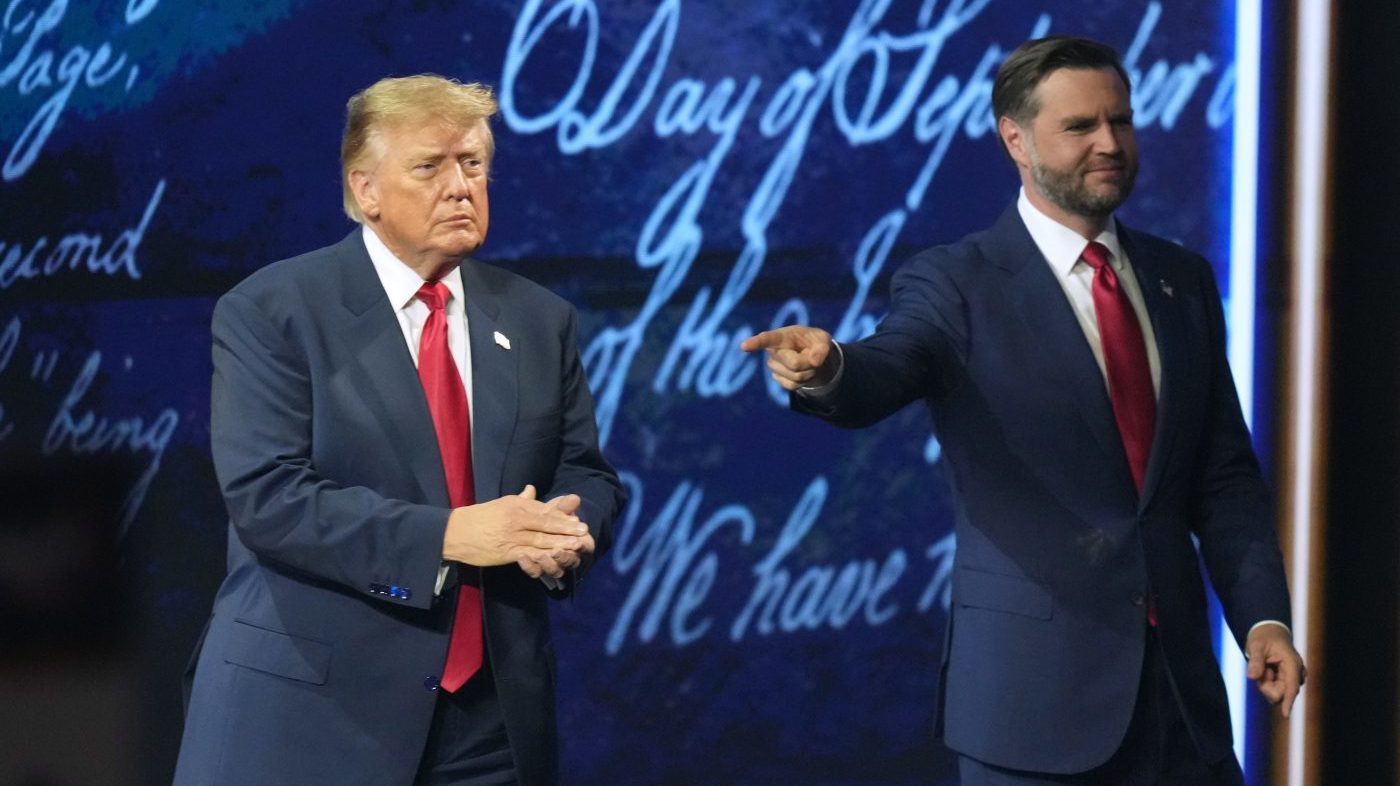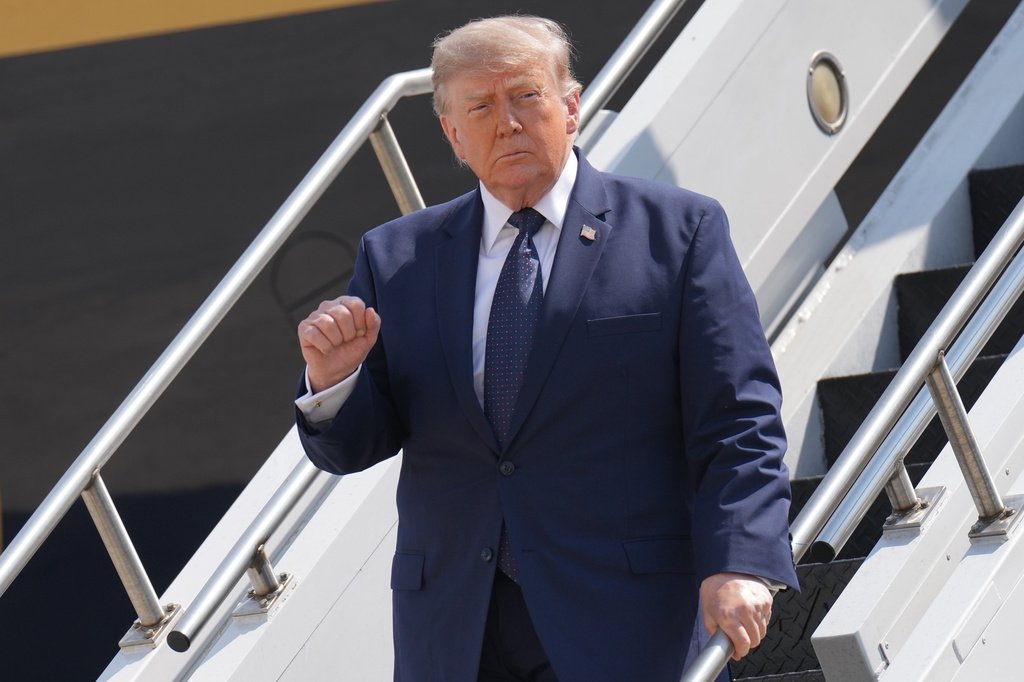
Donald Trump finally delivered his long-promised evidence of election interference Thursday night. It fell flat. The speech was widely criticized for rehashing old claims without offering any new proof—and for ignoring what U.S. intelligence actually says.
The former president frequently cited intelligence reports, but he conveniently left out the key conclusions. The National Intelligence Council's March 2021 assessment found no indication that any foreign actor tampered with voter registration, ballot casting, vote tabulation, or result reporting in the 2020 election.

Conflating Influence with Interference
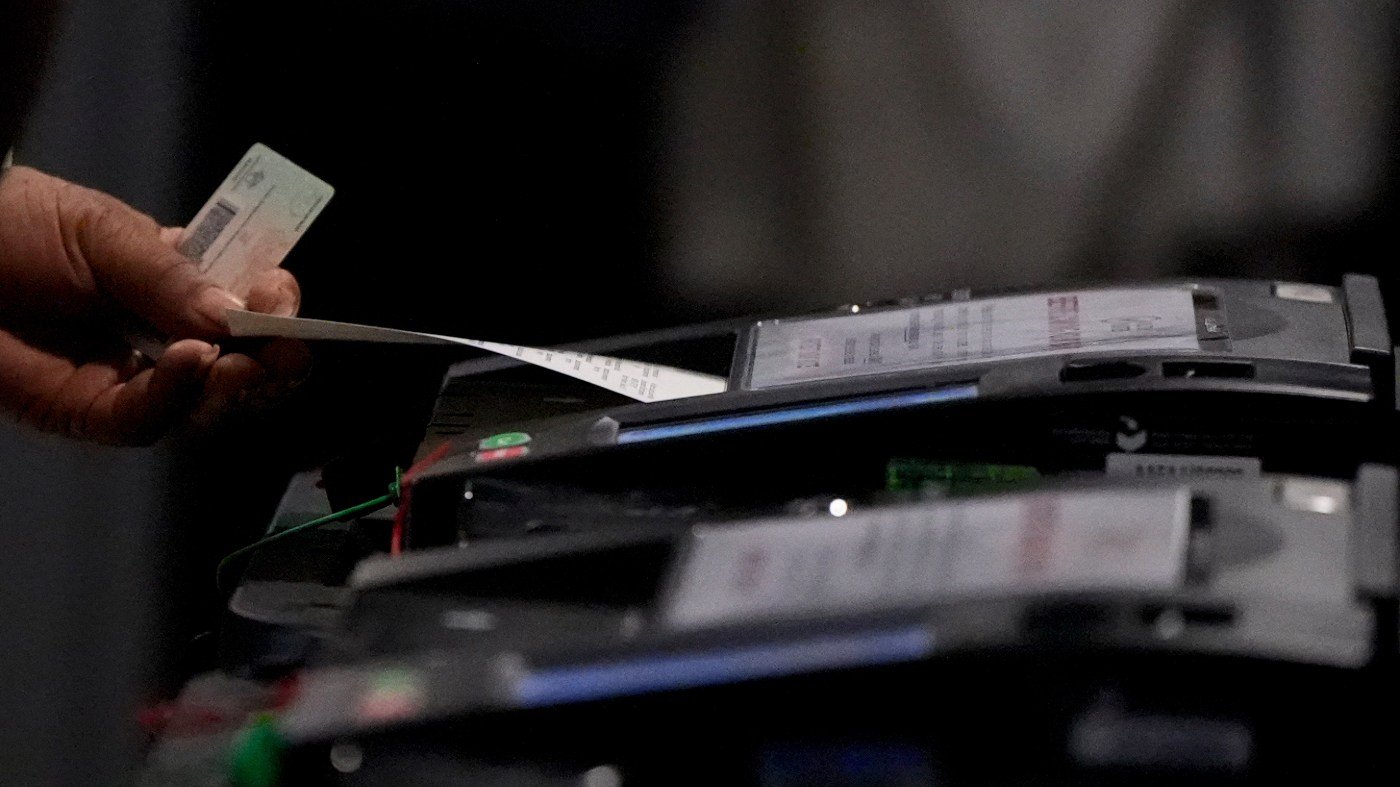
Trump repeatedly blurs the line between election influence and election interference. The National Intelligence Council defines election influence as efforts to change voters' minds—through public statements, covert messaging, or economic pressure. Election interference, by contrast, targets the technical machinery: hacking voter rolls, manipulating ballots, or rigging counts.
There is ample evidence of foreign influence operations, such as Russia's efforts to denigrate Joe Biden. But there is little to no evidence of actual interference. Trump implies the latter when he talks about the former.
Ironically, Trump himself has been a major player in foreign elections. He has openly encouraged foreign voters to back his preferred candidates, and he sent Vice President JD Vance to Hungary to campaign for Prime Minister Viktor Orbán—who lost by a wide margin. Imagine the outcry if Xi Jinping or Vladimir Putin dispatched a top official to campaign for a U.S. candidate.
What Intel Actually Found
Trump declassified and posted numerous intelligence reports that raised concerns about foreign actors—especially China—interfering in 2020. But he omitted the post-election assessment. The Council's first key judgment states: “We have no indications that any foreign actor attempted to alter any technical aspect of the voting process in the 2020 U.S. elections.”
On China, the Council concluded that Beijing “did not deploy interference efforts and considered but did not deploy influence efforts intended to change the outcome.” Trump's speech painted a very different picture.
U.S. elections are highly decentralized, with county and state officials running separate systems. As the National Conference of State Legislatures notes, even a successful hack of one system would not affect thousands of others. That makes widespread interference extremely difficult.
The Real Threat
What does concern intelligence officials? The same declassified documents warn that adversaries could make “false claims about their ability to manipulate U.S. election infrastructure” to undermine public confidence. The report notes that “much of the voting public probably knows little about the process,” allowing false narratives to take hold.
But it's not foreign actors making those false claims—it's Trump. He's the one telling voters they can't trust U.S. elections because of foreign meddling. That's a risky message for a Republican Party that needs strong turnout in the upcoming midterms.
In January 2020, the intelligence community's biggest fear was that adversaries would convince Americans their elections are rigged. They probably didn't expect a U.S. president to do the job for them.