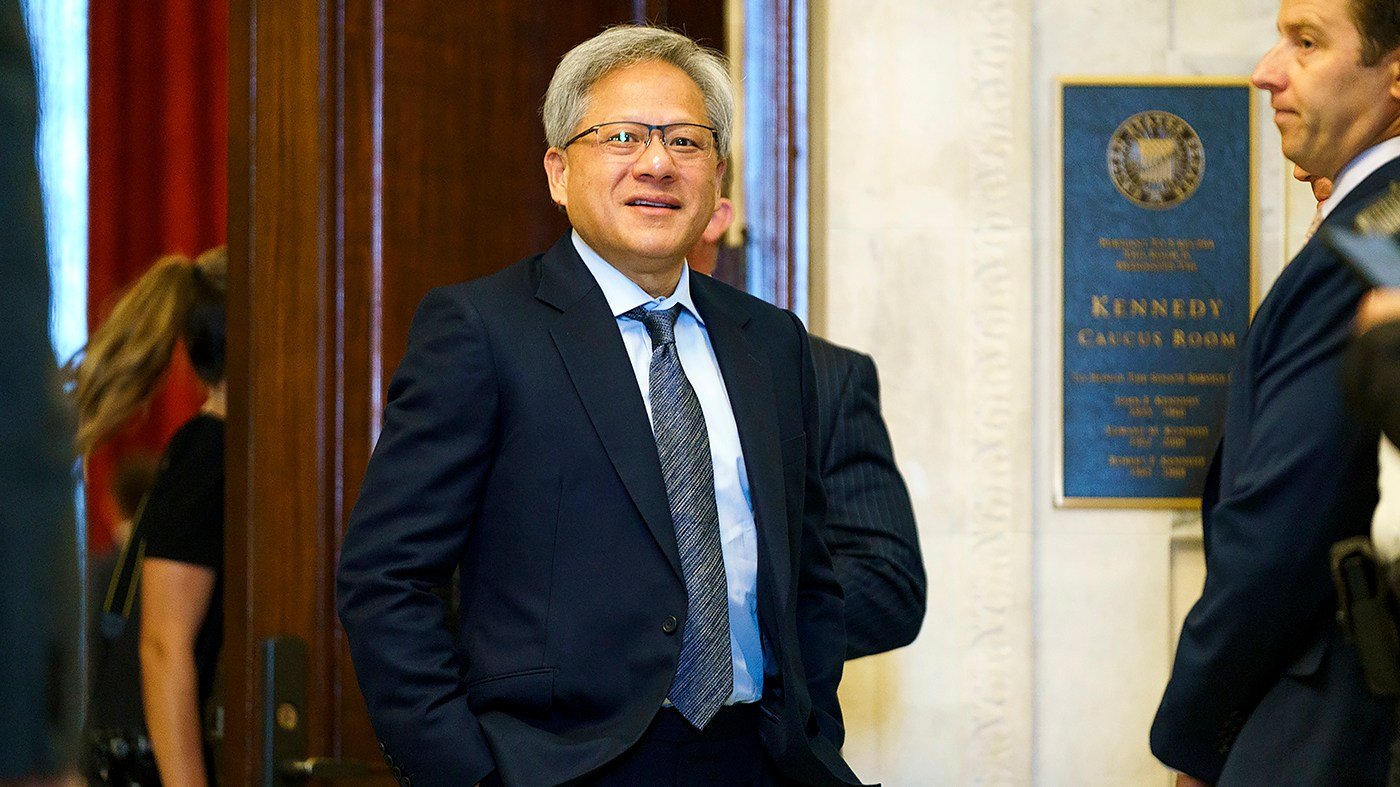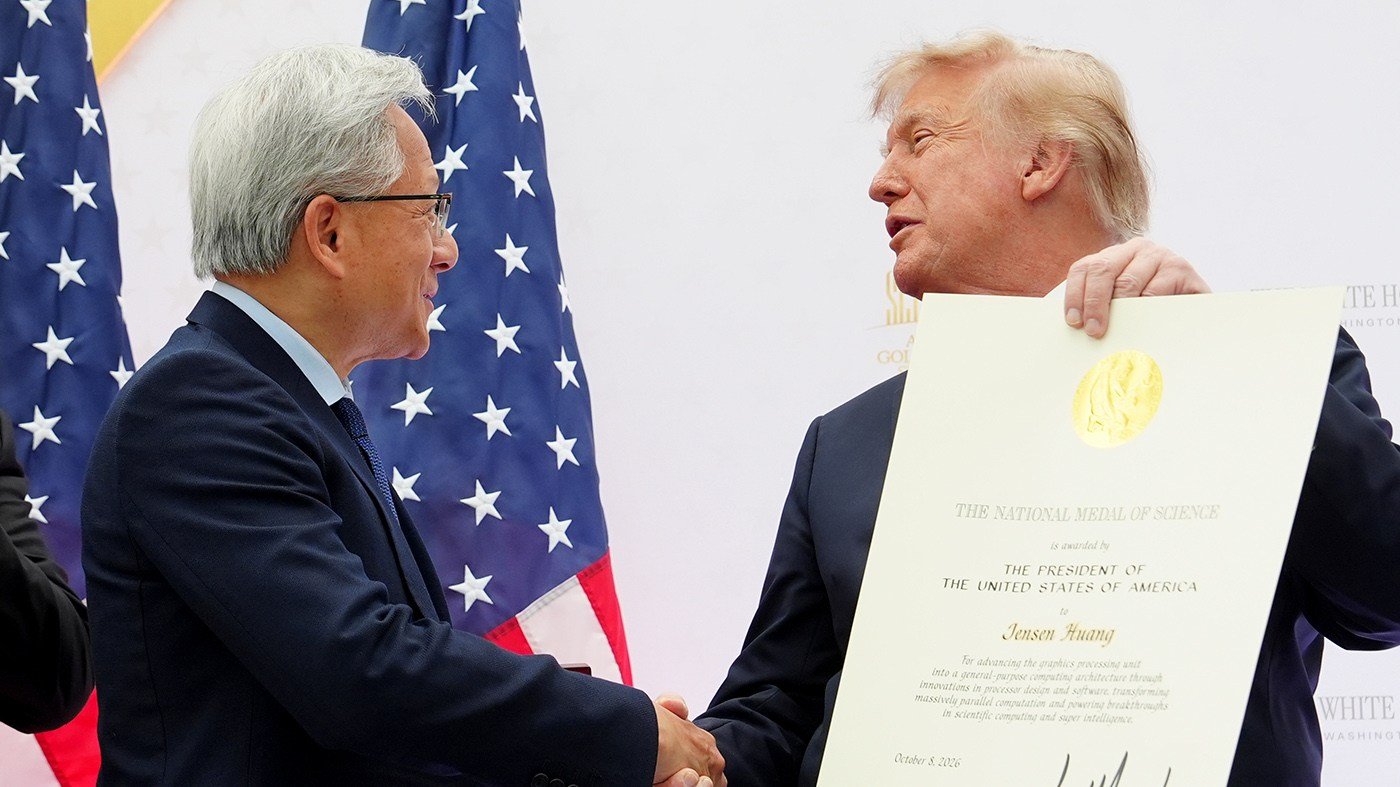
President Trump's unusual partnership with Nvidia CEO Jensen Huang is fueling a looming confrontation between Capitol Hill Republicans and the White House during the final weeks of the legislative session. At stake are the future of U.S. export policy toward China, the scope of executive trade authority, and the global race for artificial intelligence supremacy.
Huang's reinstatement as Nvidia's chief executive last week, following Trump's direct intervention, has intensified concerns among lawmakers—including many of Trump's own allies—that Huang's long-standing push to sell advanced chips to Beijing is eroding America's competitive edge in AI. The criticism spans both parties, with GOP China hawks taking particular issue with Huang's influence on administration policy.
These lawmakers are now advancing legislation to strengthen congressional oversight over the export of cutting-edge microchips, like those Nvidia produces. The effort is being spearheaded by Republican hardliners on China, who plan to attach the new restrictions to the National Defense Authorization Act (NDAA), a must-pass defense spending bill expected to move before year's end.
The move sets up a direct clash with Trump and Commerce Secretary Howard Lutnick, both of whom have guarded the administration's unilateral approach to trade policy, most notably the president's sweeping tariffs. The White House has not publicly weighed in on the specific proposals, and did not respond to requests for comment, though the issue is already dividing Cabinet officials.
The push for tighter controls gained momentum after reports emerged that Huang had been involved in extramarital affairs, including with a Chinese tech executive suspected of espionage for Beijing, leading to his brief ouster on Nov. 12. Nvidia's board reversed course just 11 days later following a vigorous campaign by Trump.
Senate Majority Leader John Thune (R-S.D.) responded to Huang's reinstatement with a statement emphasizing the national security stakes: “Allowing China to obtain America's most advanced chips creates a significant national security vulnerability. Through vigorous oversight and adoption of strong, bipartisan export-control measures, Congress will do its part to ensure our national security interests are being met.”
Lawmakers have only three weeks left in the current session before Democrats take control of the Senate in January. The Senate version of the NDAA includes three relevant bills: the Chip Security Act, the AI Overwatch Act, and the MATCH Act. These aim to curb smuggling of advanced chips to China, require congressional notification and approval for AI chip sales to adversaries, and restrict exports of semiconductor manufacturing equipment. The Senate has not yet passed its version, while the House passed its own NDAA in July without such controls. Speaker Mike Johnson (R-La.) has signaled support for adding them.
Huang has argued that selling to China is strategically beneficial, keeping Chinese engineers reliant on American hardware rather than fostering domestic innovation. China hawks counter that access to Nvidia's high-powered chips directly abets Beijing's AI ambitions at U.S. expense.
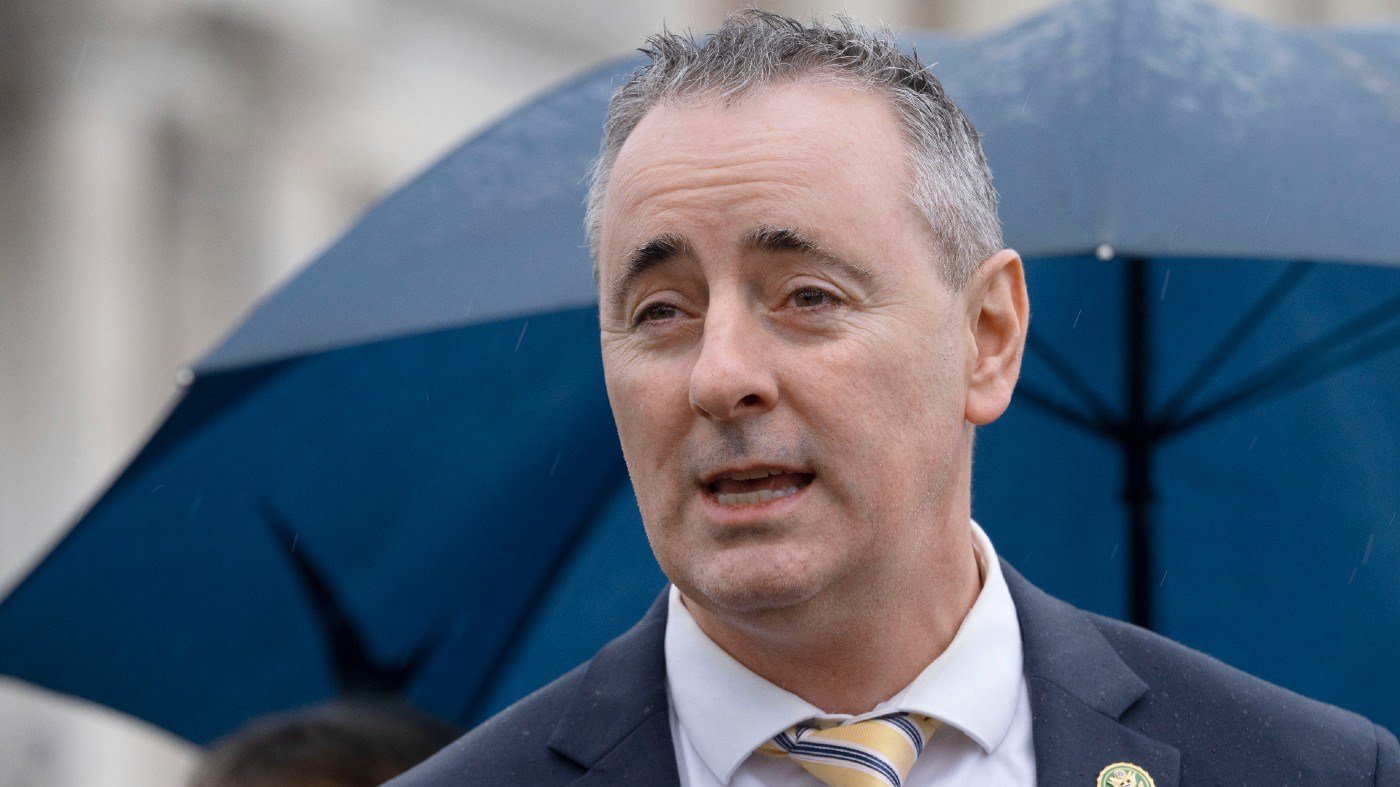
The AI Overwatch Act, introduced by House Foreign Affairs Committee Chairman Brian Mast (R-Fla.), is drawing particular scrutiny because it targets Commerce Secretary Lutnick's role in chip trade. A New York Times report suggested Lutnick has taken a lenient approach to export controls, potentially benefiting his family financially. House Democrats have opened an investigation, and Sen. Tim Scott (R-S.C.) has called Lutnick to testify before the Banking Committee in December.
Mast's proposal would require the Commerce Department to notify Congress of pending chip export approvals to adversarial nations and empower lawmakers to block sales deemed threats to national security—modeled on a decades-old law governing foreign arms sales. Mast, who introduced the bill last year, said in a video on X that reports about Huang's alleged affair with a Chinese intelligence asset and chip smuggling are “extremely concerning” and underscore the need for action.
The coming weeks will test whether the White House can fend off congressional efforts to curb its authority, or whether a bipartisan coalition can impose new restrictions before the session ends. The outcome could reshape U.S. policy on AI chips and set a precedent for future technology exports.