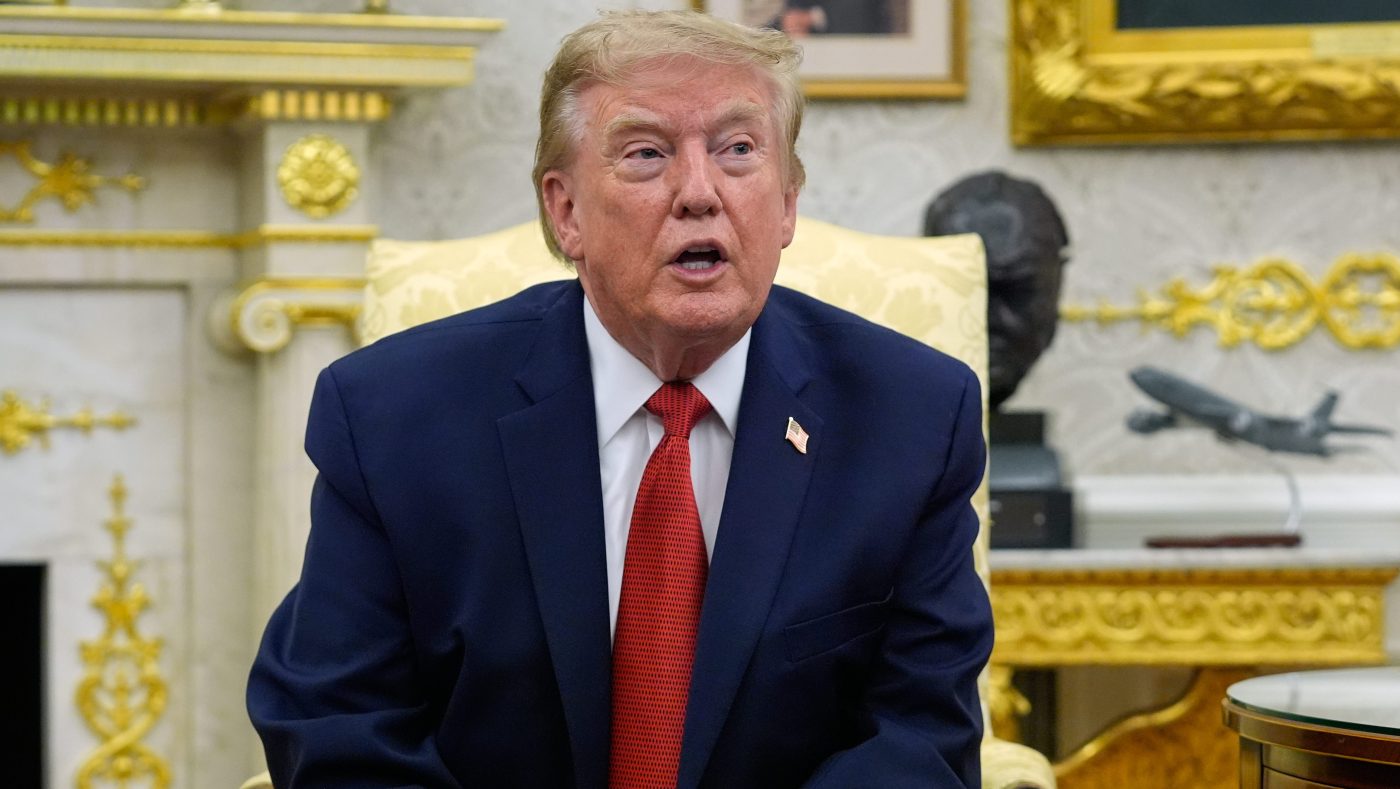
President Trump on Monday escalated his defense of the proposed White House ballroom, branding opponents of the project as “very disloyal to our country.” Speaking in the Oval Office, Trump dismissed criticism as politically motivated and insisted the ambitious renovation is on track.
“The people that are opposing the ballroom are people that, in my opinion, are very disloyal to our country,” Trump said. He added that the project is “way ahead of schedule” and “under budget,” predicting it will be “the most beautiful ballroom of its kind.”
The president also emphasized the security dimensions of the project, claiming it includes “tremendous military protection” and is “very safe.” He framed the ballroom as a legacy endeavor, saying, “This is for future presidents. This isn’t for me,” and called it “a gift” to the nation.
However, the project faces a significant legal hurdle. According to a Washington Post report last week, the ballroom is projected to cost at least $900 billion. An appeals court has ordered all work to stop by Friday unless the Supreme Court intervenes to approve the overhaul.
Attorney General Todd Blanche argued Sunday that the administration already has the authority to proceed without congressional approval. “We don’t believe we have to go to Congress. We believe Congress has already given us the authority to do what we’re doing,” Blanche said on “Fox News Sunday.” He expressed hope that the Supreme Court would allow the project to continue, calling it “a meaningful upgrade and necessary part of the security of this city and the security of the president and his family.”
The legal battle comes amid broader tensions between the White House and the judiciary, including a recent citizenship order that defied a Supreme Court ruling. Critics argue the ballroom project is an overreach of executive power and a wasteful expenditure, while the administration insists it is a vital security measure.
The dispute has also drawn attention to the administration's broader approach to international and domestic policy, with some lawmakers questioning the prioritization of the ballroom amid other pressing issues. The White House has yet to respond to the appeals court's directive, but officials signal they will seek urgent Supreme Court review.
As the Friday deadline approaches, the future of the ballroom remains uncertain. The Supreme Court's decision will not only determine the fate of the project but also set a precedent regarding the limits of presidential authority in large-scale construction initiatives.