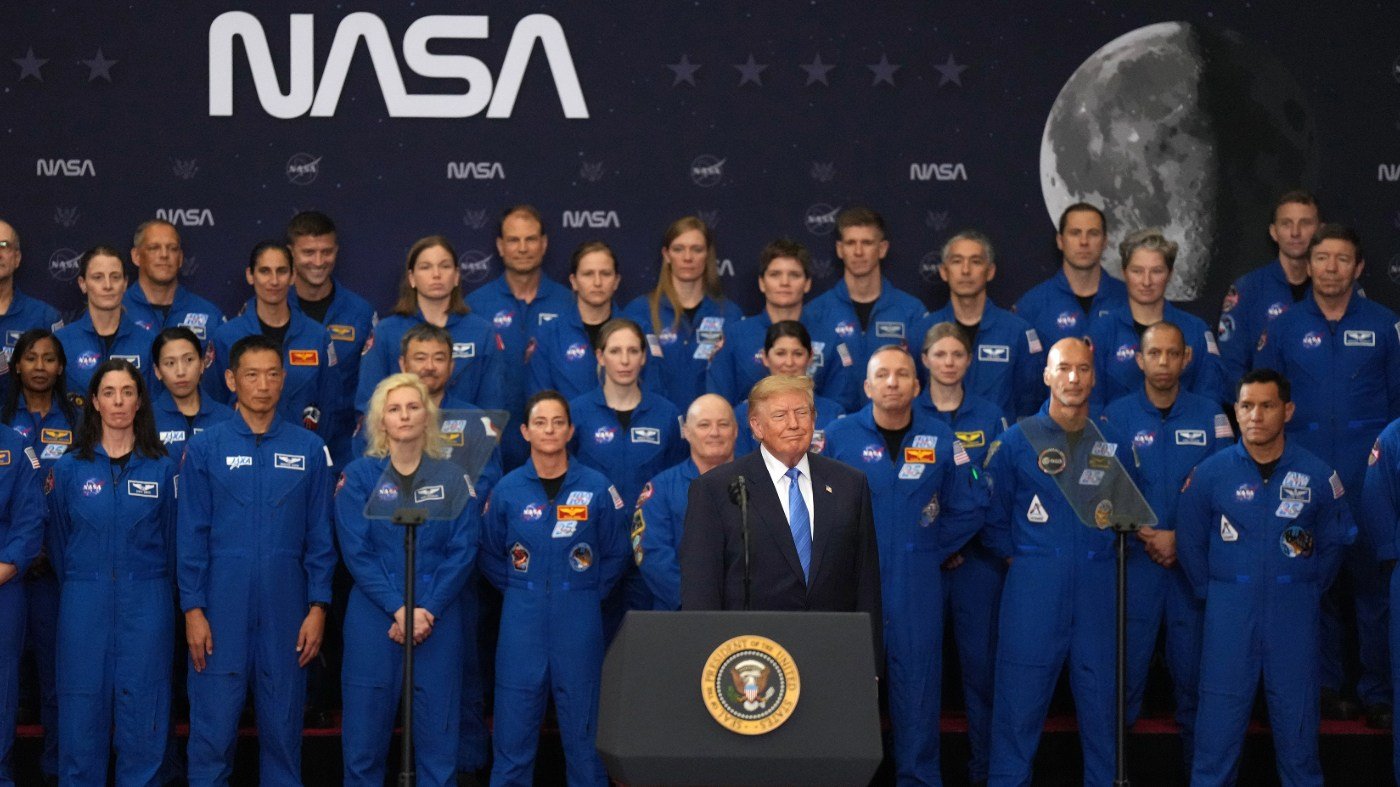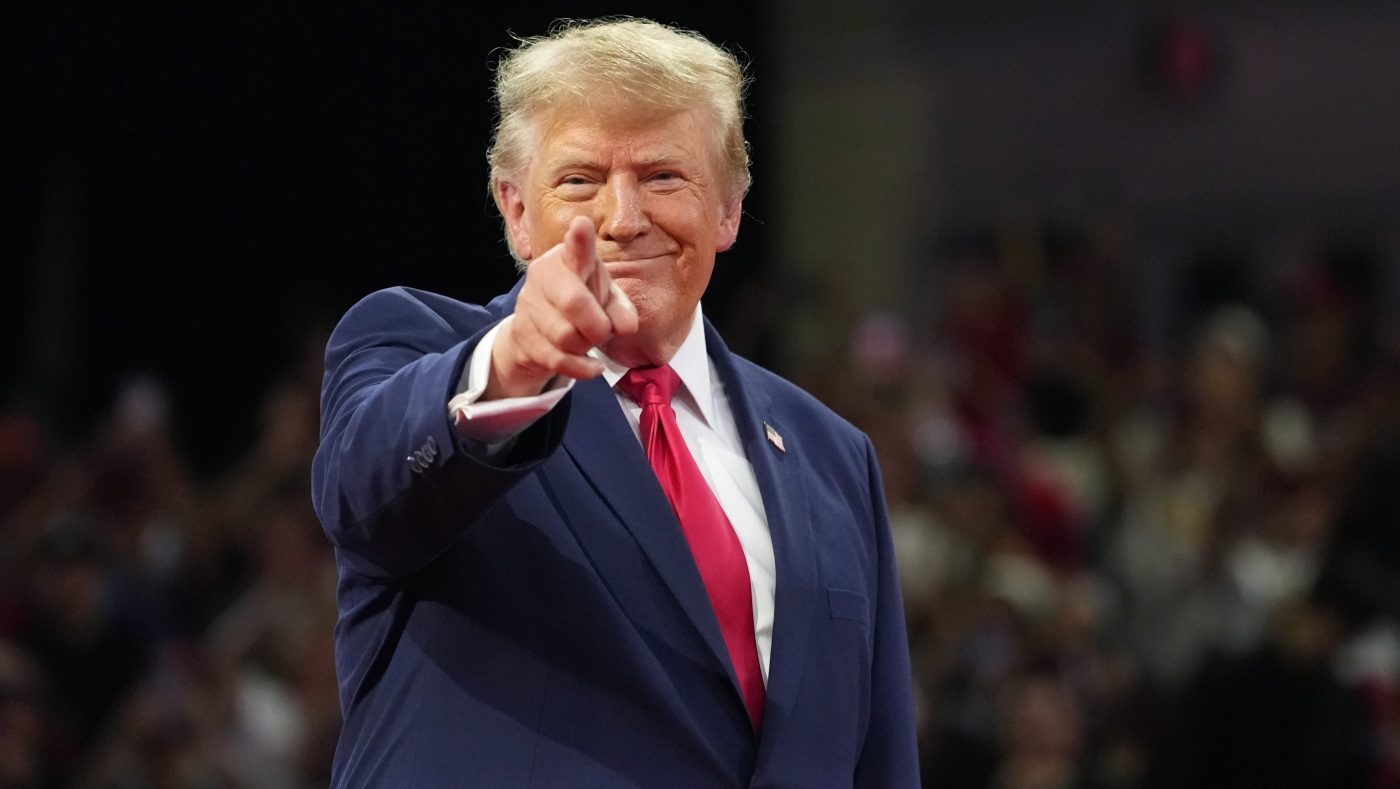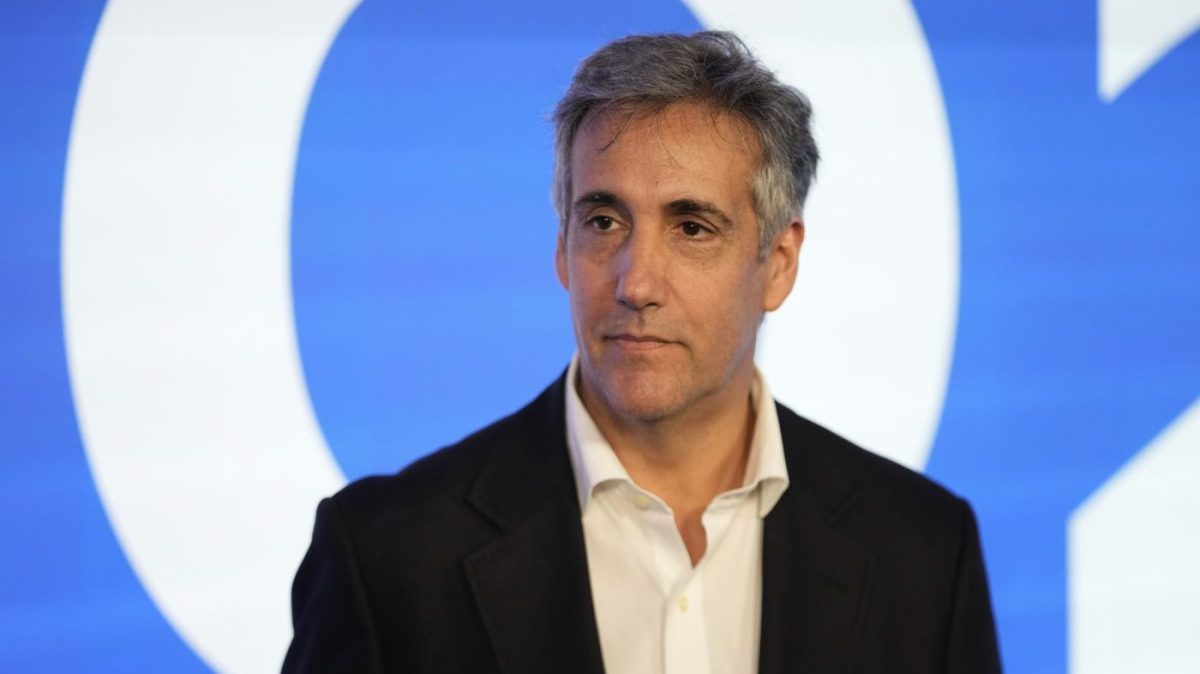
President Trump signaled Friday he would be open to pardoning his former personal attorney Michael Cohen, while blasting the legal proceedings that led to Cohen's pivotal testimony in the 2024 New York hush money case. Speaking to reporters before departing for a Dallas rally, Trump framed Cohen as a victim of prosecutorial overreach.
"It was illegal what they did," Trump said, referencing the prosecution's handling of Cohen. "What they put him through was incredible." He added, "What they did to Michael Cohen was a disgrace. They forced him to say things that he didn't want to say and that he didn't believe. And I appreciate that at least he came out, although late, he came out and rectified the situation."
Those remarks come despite no public recantation by Cohen of his sworn testimony. Cohen, who served as the prosecution's star witness, admitted in court to arranging payments to adult film actress Stormy Daniels to suppress an alleged affair ahead of the 2016 election. He has not walked back those admissions, though he has recently expressed feeling pressure from prosecutors and has moved toward reconciliation with Trump.
When asked directly about a potential pardon, Trump said, "If everything is checking out, it's something I would consider." Cohen told CNN in August that he had submitted a written pardon application to the White House but had not spoken directly with the president about it.
The relationship between the two men has thawed markedly since the trial. Cohen appeared on Trump's WABC radio show last month, and in July he told hosts John Catsimatidis and Rita Cosby that he had received a text from Trump about six months earlier. During that radio appearance, Trump repeated his claim that the government was "weaponized" against him and praised Cohen for coming forward.
"There were plenty of others too, and it's a disgrace," Trump said. "I think it's so amazing that you came out, and you told the story, and people respect you for doing it."
The president's openness to a pardon for Cohen lands as he continues to attack the integrity of the legal system in cases against him. His trip to Dallas for a GOP rally underscores the political stakes, with the president headlining a midterm event while facing multiple legal fronts. The hush money conviction remains a flashpoint for his base, and any pardon move would likely ignite fresh debate over executive clemency and witness credibility.
Legal analysts note that a pardon would not erase the underlying conviction but would shield Cohen from federal consequences, though the case was prosecuted at the state level, limiting the president's authority. Still, Trump's comments signal a willingness to intervene on behalf of an ally who once testified against him, a reversal that could reshape perceptions of their fraught history.
Cohen's own statements suggest he is seeking to move past the acrimony. He has not disputed the core facts of his testimony, but his recent public remarks have aligned more closely with Trump's narrative of a biased justice system. Whether that shift translates into a formal pardon request remains unclear, but the president's latest remarks give it new momentum.