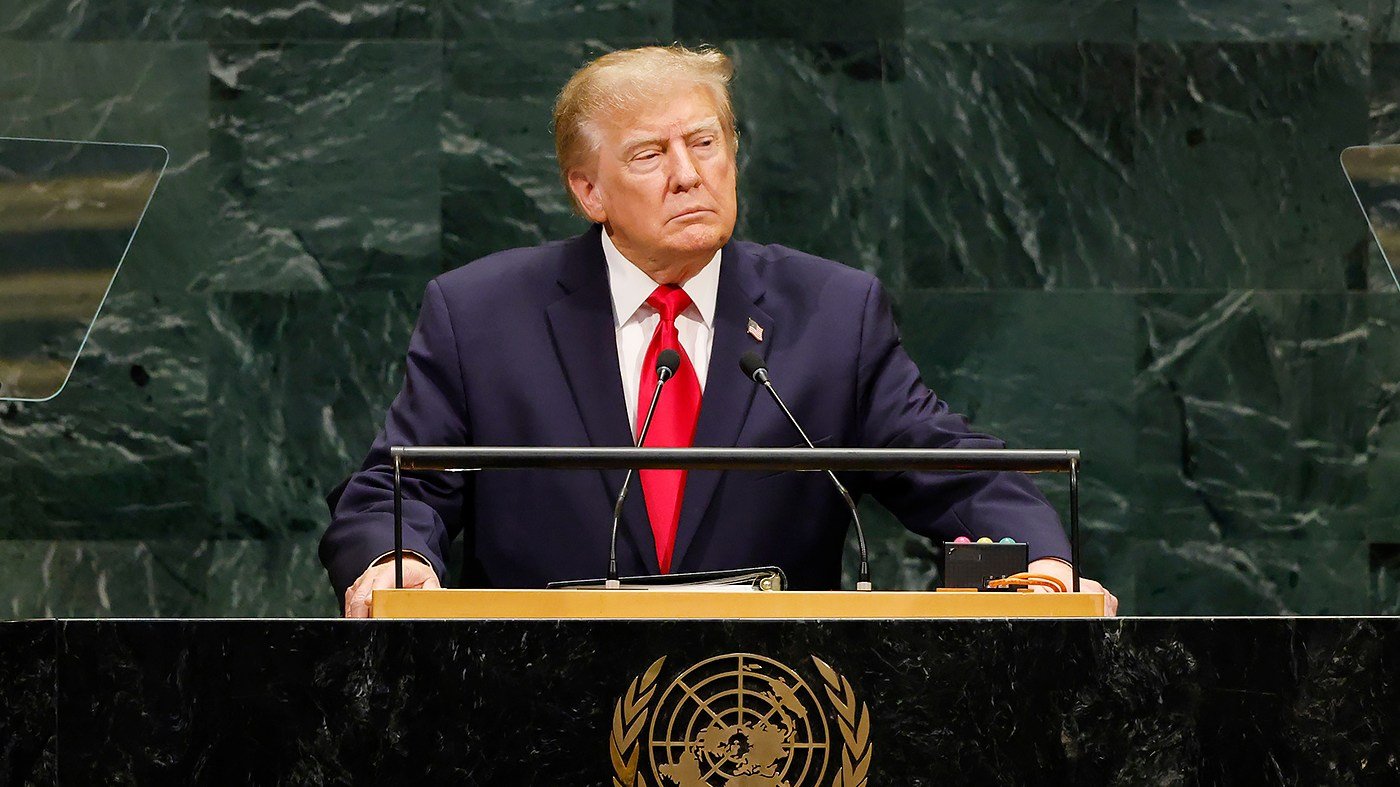
President Donald Trump on Tuesday demanded an immediate halt to the war in Ukraine, using a Truth Social post to highlight the impact of Ukrainian long-range strikes on Russia's diesel refining capacity and the broader human toll of the conflict.
Trump wrote that Russia has "lost control of its Diesel Oil Industry" due to the war, noting that numerous refineries have been destroyed and are temporarily offline. He called the conflict "ridiculous and never ending" and said it "must be ended," adding that "the whole World suffers as 25,000 people, mostly soldiers, are being killed each month."
The president's intervention comes as Ukrainian forces, employing drone warfare and long-range missiles, have successfully targeted Russian energy infrastructure, disrupting Moscow's ability to produce and export diesel. The strikes have contributed to rising global energy prices, a development that has drawn Trump's ire.
While Trump's push for peace is welcome, the reality is that only one man can truly stop the bloodshed: Russian President Vladimir Putin. Ukraine is the defending party in this war, and it cannot lay down its arms unless Russia agrees to cease its attacks. As Ukrainian President Volodymyr Zelensky has repeatedly made clear, Kyiv is prepared to de-escalate if Moscow does the same.
In response to Trump's post, Zelensky reiterated that stance, writing on social media that "Ukraine's energy sector, critical infrastructure, and our food exports must stop being targets for Russia, and this will lead to matching de-escalation steps on our part." He added that "solutions are possible" and that Ukraine is ready to discuss them with partners on the sidelines of the UN General Assembly in New York.
The Ukrainian position is simple: if Russia stops targeting Ukraine's energy grid and ports, Ukraine will stop hitting Russian oil refineries. It is a formula for mutual de-escalation that puts the onus on the aggressor. As Zelensky has said, Ukraine wants to stop striking Russian oil infrastructure, but it cannot do so unilaterally while Russian missiles and drones continue to rain down on Ukrainian cities.
Trump deserves credit for his efforts to bring about a negotiated end to the war. But the hard truth is that Putin could end this conflict tomorrow by agreeing to a ceasefire and entering talks over the fate of occupied territories. At a minimum, he must abandon his ambition to conquer the rest of Ukraine. If he refuses, the war will drag on, and the world will continue to pay the price in lives lost and energy markets upended.
The Biden administration's approach to the war has been marked by incrementalism and fear of escalation, but Trump has an opportunity to chart a different course. By leveraging his relationship with Putin and applying pressure where it matters, he could push for a genuine ceasefire. However, as the UN General Assembly convenes in New York, the focus will be on whether the international community can rally behind a peace plan that respects Ukraine's sovereignty and territorial integrity.
For now, the ball remains in Putin's court. Until he agrees to stop attacking Ukraine, the war will continue, and the suffering—both on the battlefield and in global energy markets—will only worsen.