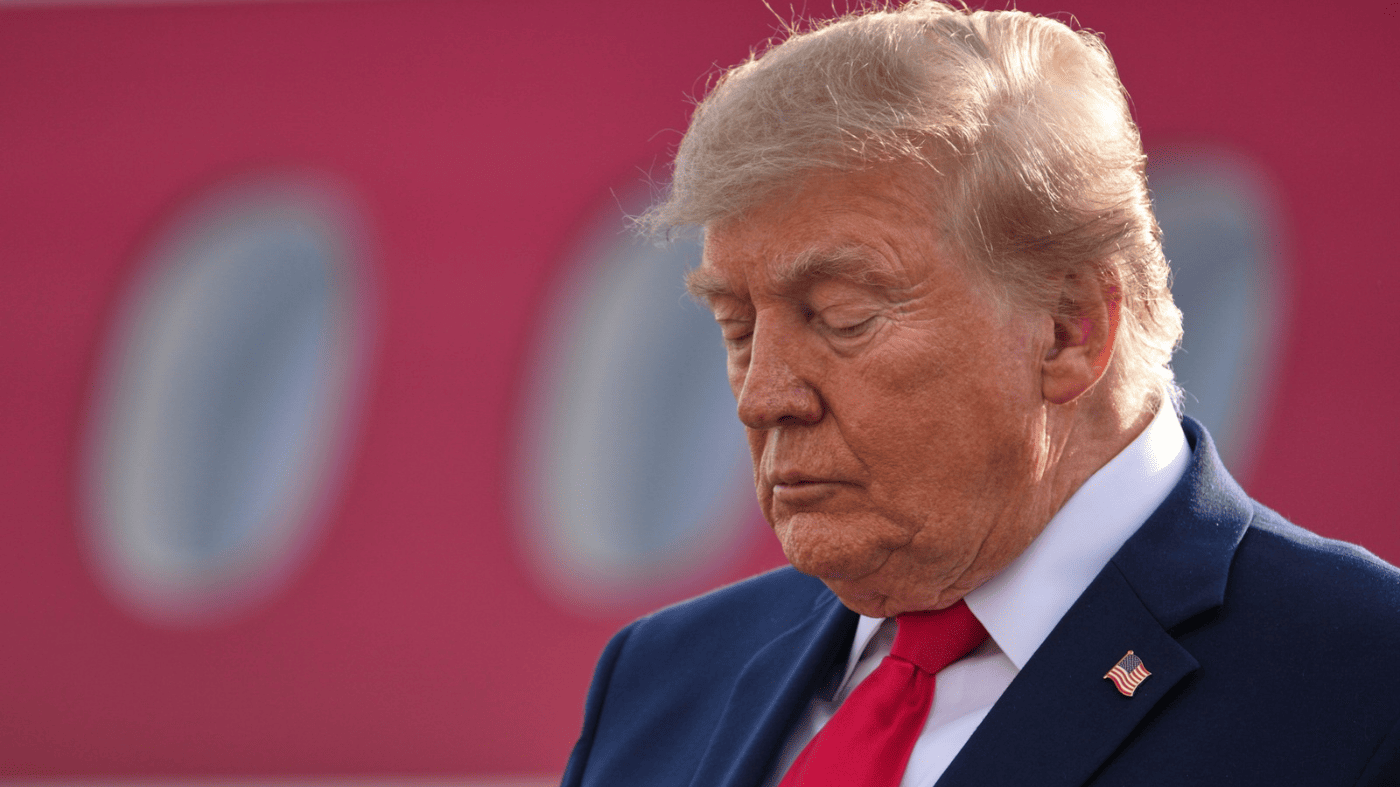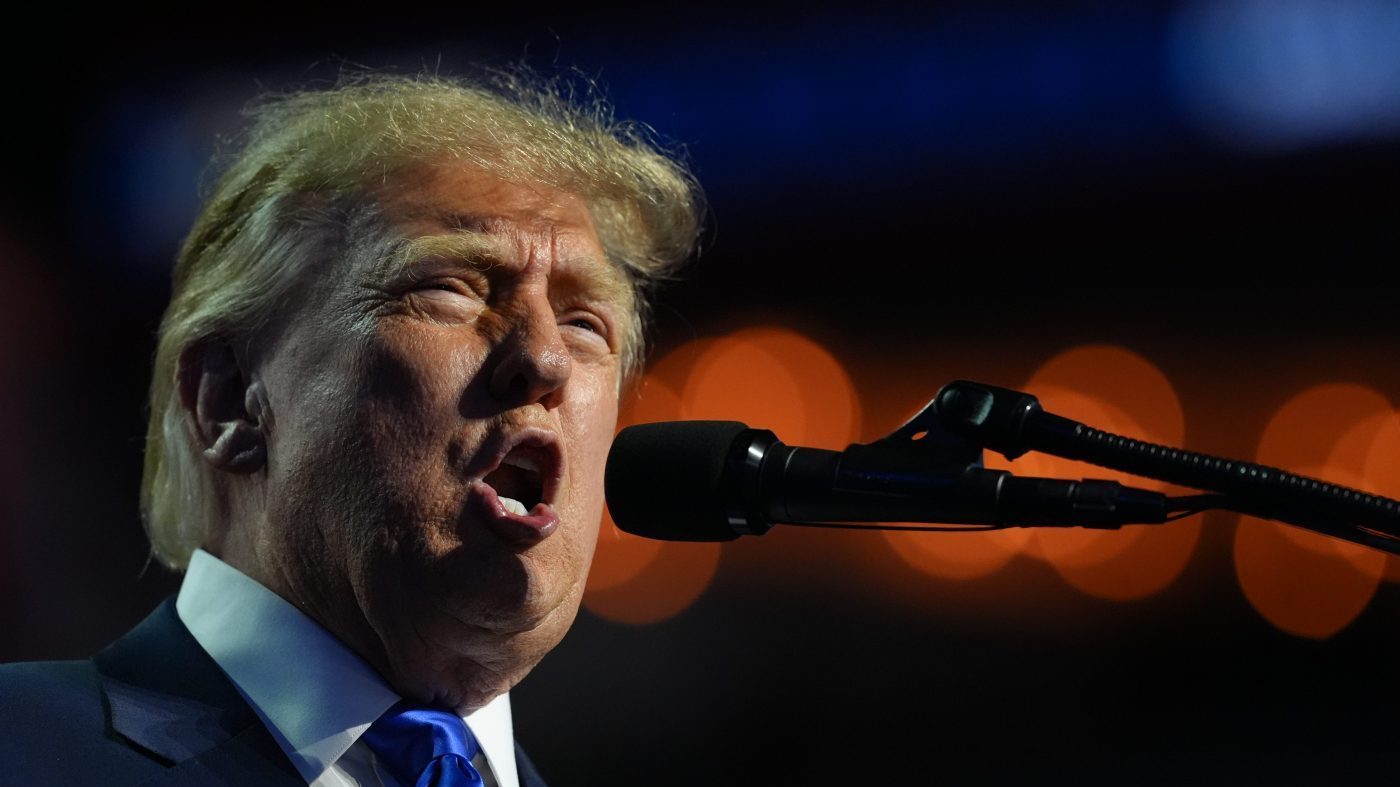
President Trump on Thursday defended the timing of his proposal to send every American adult a $5,000 dividend, a plan he has tied to Republicans retaining control of Congress in the midterm elections. In an interview with Fox News' Laura Ingraham, set to air in full Thursday night, Trump dismissed the idea of issuing the payments immediately, arguing that only GOP leadership could make the economic conditions favorable for such a payout.
“Why not just give the money now? If you have the money, why not give it now?” Ingraham asked. Trump responded, “Because the Democrats can’t do it, because for them it’s negative growth. But with us it’s so positive.” He went on to tout his administration's revenue figures, claiming, “We’re taking in $21 trillion. No country has ever taken in anywhere near that. It’s four or five times higher than the next, all because of the beautiful word that you and I love more than most others: tariffs.”
The proposal, announced Wednesday night at the Republican midterm convention, has drawn sharp criticism from Democrats and even some within his own party. Senate Minority Leader Chuck Schumer (D-N.Y.) took to X to accuse the president of attempting to buy votes, writing, “Trump’s presidency is so failed and broken, he is resorting to trying to bribe the American people for their votes.” Rep. Chip Roy (R-Texas) also pushed back, stating in his own X post, “maybe some of us think dependency is evil & soul-sucking in all its forms.”
Vice President Vance defended the policy on Wednesday, suggesting that tariff revenue would cover the roughly $1.35 trillion cost of the plan, which would reach an estimated 270 million U.S. adults. “We’re taking in an extraordinary amount of revenue because the president of the United States is actually standing up to both foreign companies but also foreign countries who have been taking advantage of America’s workers for pretty much my entire life,” Vance said. He added, “I don’t think it’s a controversial idea. It’s actually the president of the United States saying we’re all working together. We’re all on the same team, and if we continue to create wealth, that wealth is going to go back to the American people.”
Critics question the feasibility and legality of the plan, given the lack of congressional approval and the uncertain fiscal impact. The proposal comes as part of a broader GOP strategy ahead of the midterms, with Trump and Vance headlining the final night of the party's first midterm convention. The president's recent cash gifts to aides have already raised ethics questions, and this dividend plan adds to the political discourse.
Trump's announcement follows a string of populist economic measures, including $500 rebates for some ObamaCare enrollees, which were also framed as direct relief for Americans. The dividend proposal, however, is far more sweeping and has been met with skepticism even by some fiscal conservatives who worry about the long-term consequences of such a large redistribution.
While the White House has not provided detailed cost estimates or a funding mechanism beyond tariff revenue, the president appears determined to make the dividend a central theme of the Republican campaign. His appearance at the Medal of Honor Museum prior to the convention speech underscored his focus on patriotic and economic messaging.
As the midterm election approaches, the dividend proposal is likely to remain a flashpoint, with Democrats framing it as an election-year bribe and some Republicans questioning its fiscal prudence. Whether the plan gains traction with voters remains to be seen, but Trump's defense indicates it will be a key part of the GOP's pitch to retain control of Congress.