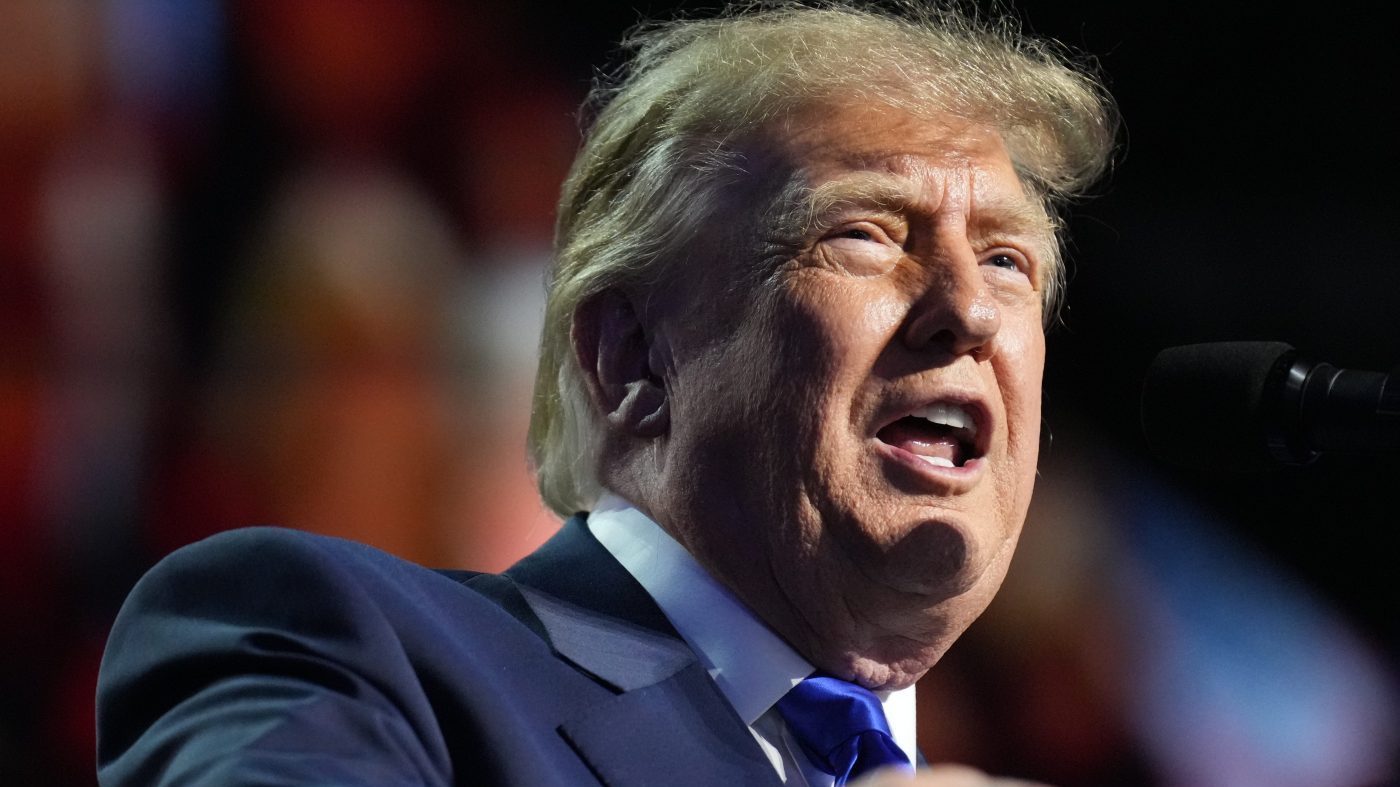
The Trump administration has announced plans to mail $500 rebate checks to nearly 1 million Americans who, according to the White House, were overcharged for their ObamaCare coverage. In a video posted Thursday on X, President Trump alleged without providing evidence that the Biden administration had "massively" overcharged enrollees on the federal health insurance exchange and then concealed the overcharges.
"Our administration is doing the right thing and giving the money back to the people who were wrongly ripped off," Trump said in the video. A White House fact sheet claimed that the previous administration had "accumulated a significant surplus of funds that were not used to benefit the Americans who paid these higher premiums."
The checks, slated to go out starting in October, will be sent to residents of 30 states that rely on the federal HealthCare.gov marketplace. The announcement comes as healthcare affordability looms large ahead of November's midterm elections, with Trump also touting separate $5,000 dividend checks as part of his broader health policy agenda.
Critics were quick to dismiss the rebate plan as a desperate political maneuver. Brad Woodhouse, president of the Democratic-aligned patient advocacy group Protect Our Care, called it "an absolute joke." He argued that $500 is "a drop in the bucket" compared to the premium hikes many Americans have faced because of Republican policies, including the expiration of enhanced subsidies that Trump and congressional Republicans allowed to lapse at the end of last year.
The rebates are narrowly targeted: only about 1 million of the 19.2 million people enrolled in Affordable Care Act plans would qualify. Those still receiving premium subsidies are ineligible, as are residents of states that operate their own exchanges—many of which are blue states. The eligible group consists largely of higher-income earners who lost premium assistance when the enhanced subsidies expired.
Trump claimed in the video that the $500 checks would, "in many cases," cover "the entire spike in your insurance," which he blamed on Democrats. However, the loss of enhanced subsidies caused premiums to double or even triple for many enrollees, leading millions to downgrade their plans or drop coverage altogether. Democrats had attempted to extend the subsidies during a 45-day government shutdown last year, but the effort failed, and the subsidies lapsed at the start of this year.
The rebate plan is separate from Trump's promise to send $5,000 checks to every American if Republicans retain control of Congress, a proposal that has drawn bipartisan backlash and skepticism. The $500 rebates would be funded from a $500 million pool of excess user fees that insurers pay to the government to run HealthCare.gov. These fees typically support technology, call centers, and outreach—but the Trump administration has slashed outreach funding.
It remains unclear whether every recipient actually overpaid by $500 or in which year the overpayments occurred. The Affordable Care Act already has a mechanism for insurers to issue rebates when they fail to spend at least 80% of premiums on care. In 2025, such rebates totaled about $1.6 billion, with an average of $233 per person in the individual market, according to KFF.
Health policy experts note that the new plan may overlap with existing rebate processes, and its legal and administrative feasibility is uncertain. The announcement has been widely seen as an election-year move to address rising healthcare costs, though its limited scope and unclear justification have fueled criticism.