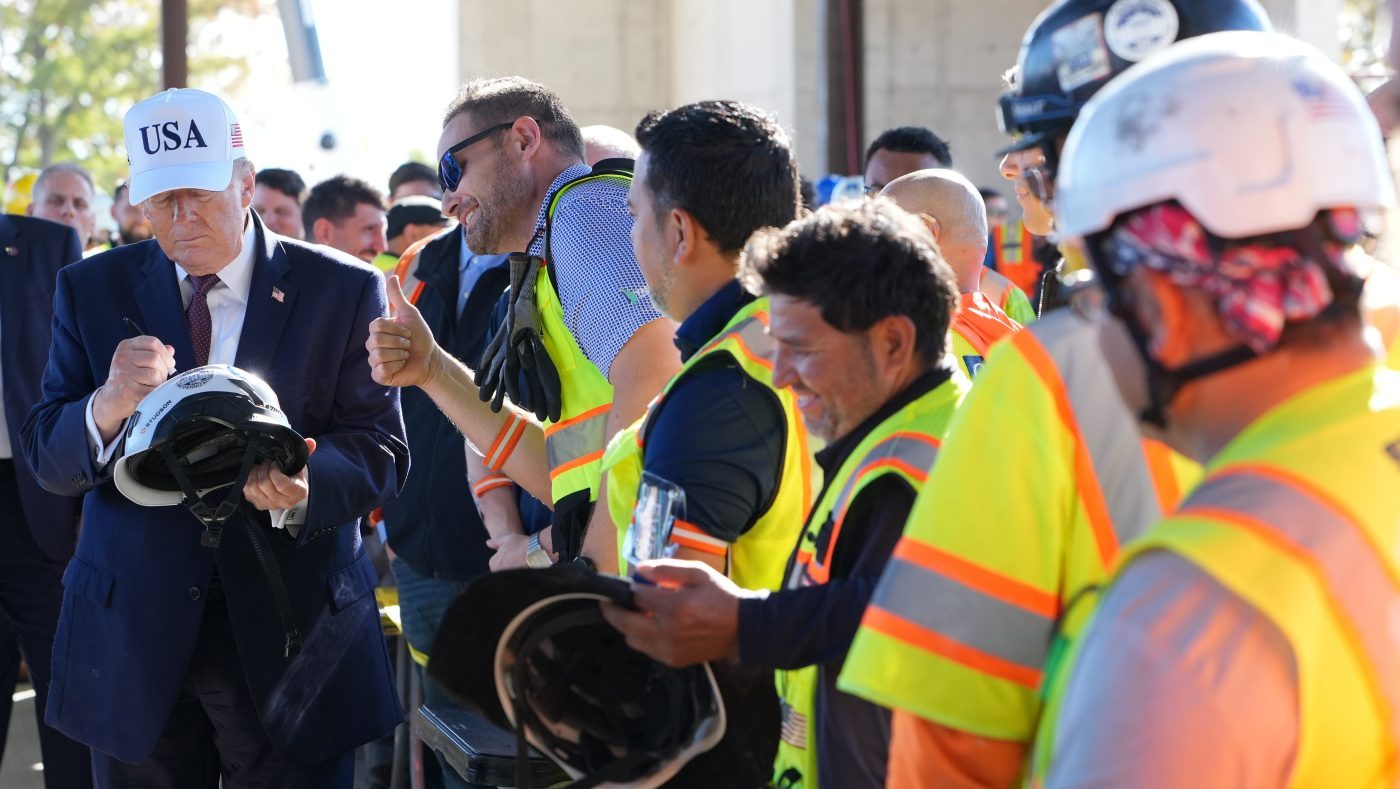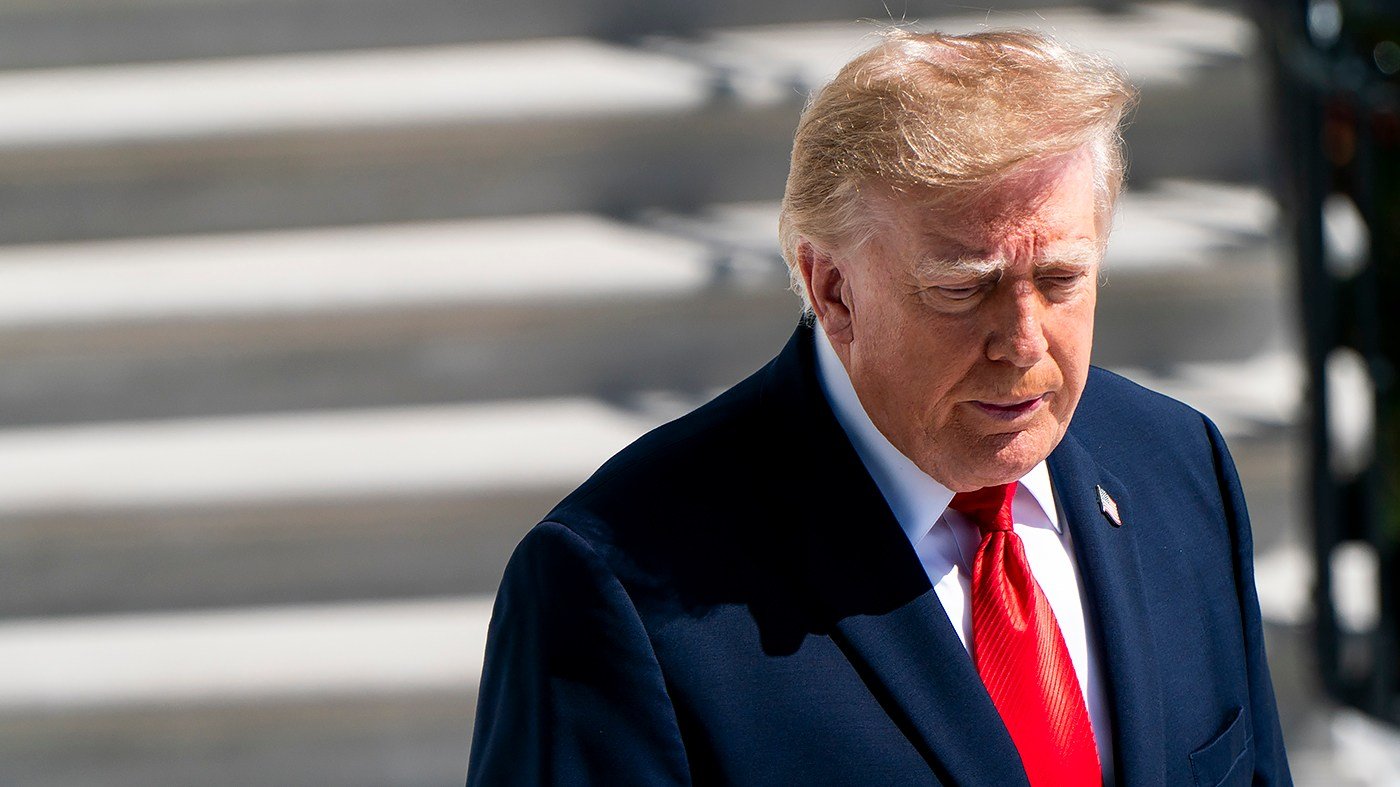
President Trump delivered remarks on Wednesday from a construction site inside the White House, where the East Room is undergoing renovations, marking his first public comments since Tuesday's midterm elections. The address, streamed live, came as the president faced a political landscape reshaped by Democratic victories that ended unified Republican control in Washington.
Speaking against a backdrop of exposed beams and scaffolding, Trump acknowledged the electoral setbacks but struck a defiant tone, framing the results as part of a broader struggle against entrenched interests. He did not directly concede any personal responsibility for the losses, which saw Democrats capture both chambers of Congress, a rebuke widely attributed to voter anger over his administration's handling of the Iran conflict and economic anxieties.
The president's decision to speak from the ballroom construction site was symbolic, aides said, reflecting his focus on rebuilding and his intention to press forward with his agenda despite the new political reality. The venue, normally used for state dinners and press conferences, was chosen to underscore his commitment to infrastructure and renewal, though critics saw it as an attempt to distract from the electoral damage.
Trump's remarks come amid a flurry of post-election analysis, with many Republicans pointing to the Democratic takeover of Congress as a direct consequence of the president's foreign policy decisions, particularly the military engagement with Iran. The president, however, defended his actions, arguing that the strikes were necessary for national security and that the political fallout was the result of a hostile media and insufficient support from GOP allies.
The speech also touched on domestic issues, with Trump touting economic gains and promising to continue his trade wars and immigration enforcement. He made no mention of the Wall Street Journal editorial board's criticism that he bore responsibility for the GOP's midterm 'rout,' nor did he address the existential questions facing the party as it looks toward 2028.
Political observers noted that Trump's address was notably shorter than his typical rallies, and he took no questions from the press. The event was streamed live on the White House's official channels, a departure from his usual preference for friendly media outlets. The lack of a press interaction drew criticism from journalism advocates, who have repeatedly raised concerns about press freedom under his administration.
The construction site backdrop was a practical necessity, as the East Room is undergoing a renovation project that began earlier this year. However, the visual metaphor was not lost on commentators, who saw it as emblematic of a presidency in transition, with the building of his legacy still in progress but facing significant structural challenges.
As the president spoke, Democrats were already planning their legislative agenda, including investigations into his administration's actions. The coming weeks are expected to bring increased scrutiny, and Trump's ability to govern effectively with a hostile Congress remains uncertain. His remarks offered little in the way of compromise, suggesting a confrontational path forward.
In the broader context, the election results were a seismic shift, with Democrats also making gains in state legislatures and governorships, setting the stage for a potentially contentious redistricting cycle. The president's speech, while focused on his own perspective, did little to address the concerns of voters who had turned against him, leaving many questions about the future of his presidency and the Republican Party unanswered.