If you've ever felt bombarded by political fundraising texts and emails—pleading, cajoling, even threatening—you're not alone. One journalist has had enough and is proposing a novel form of digital civil disobedience: write back and ask the politicians for money.
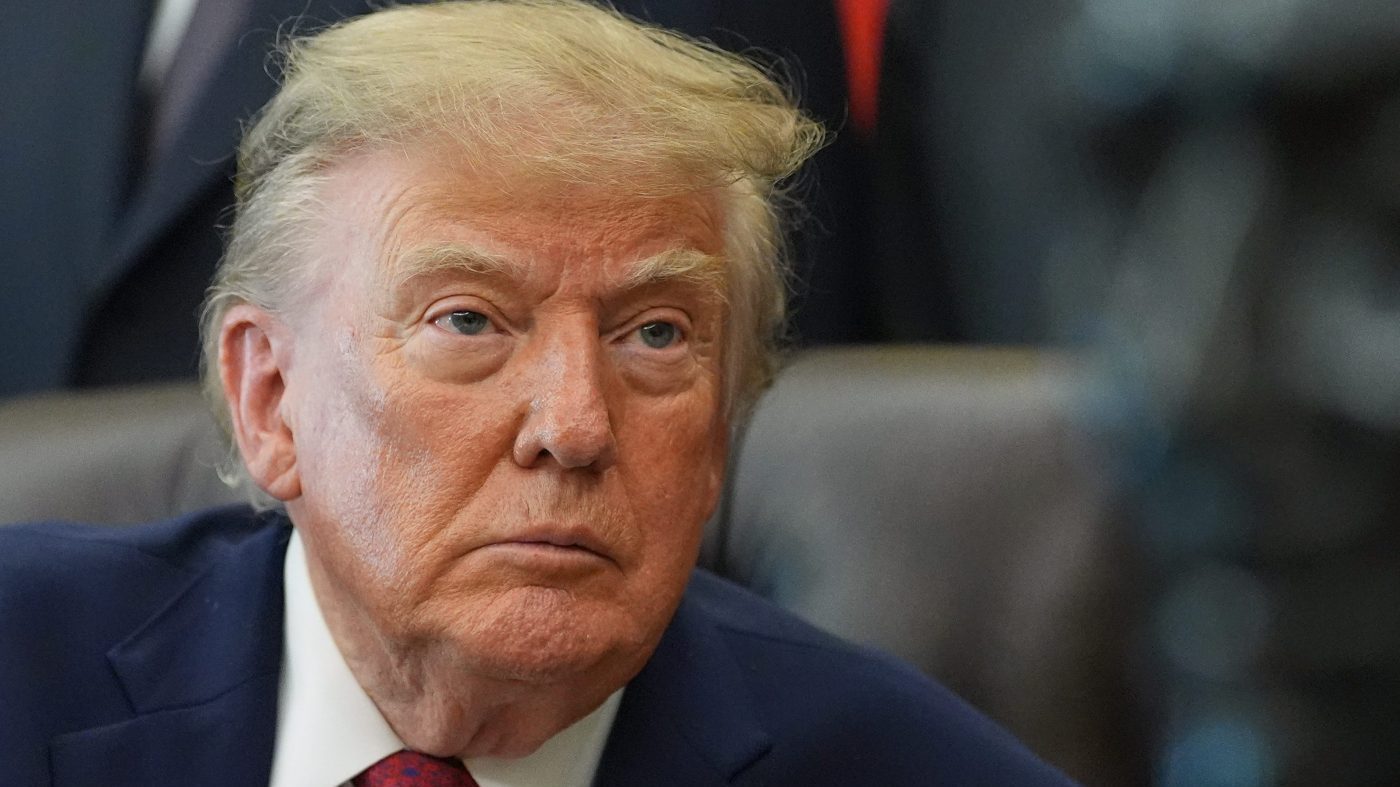
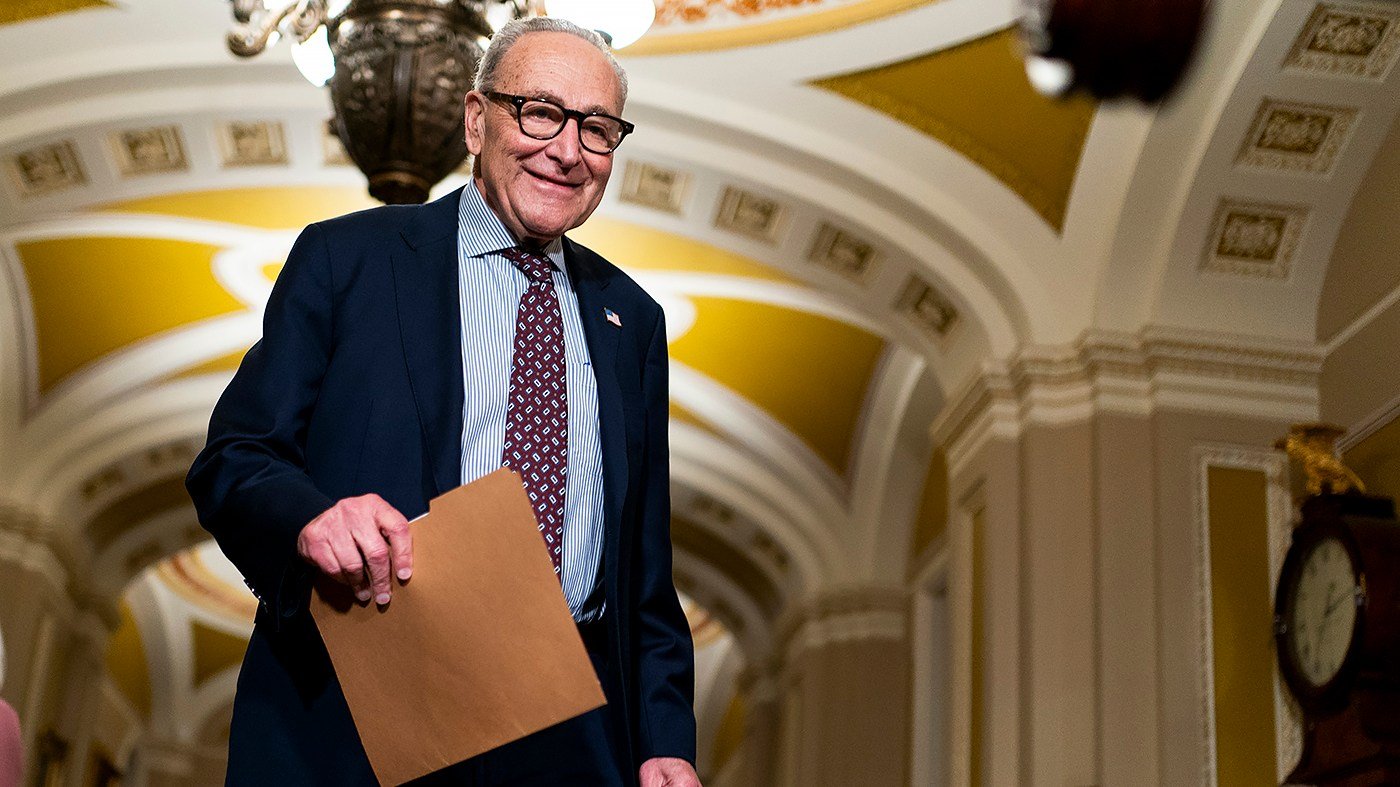
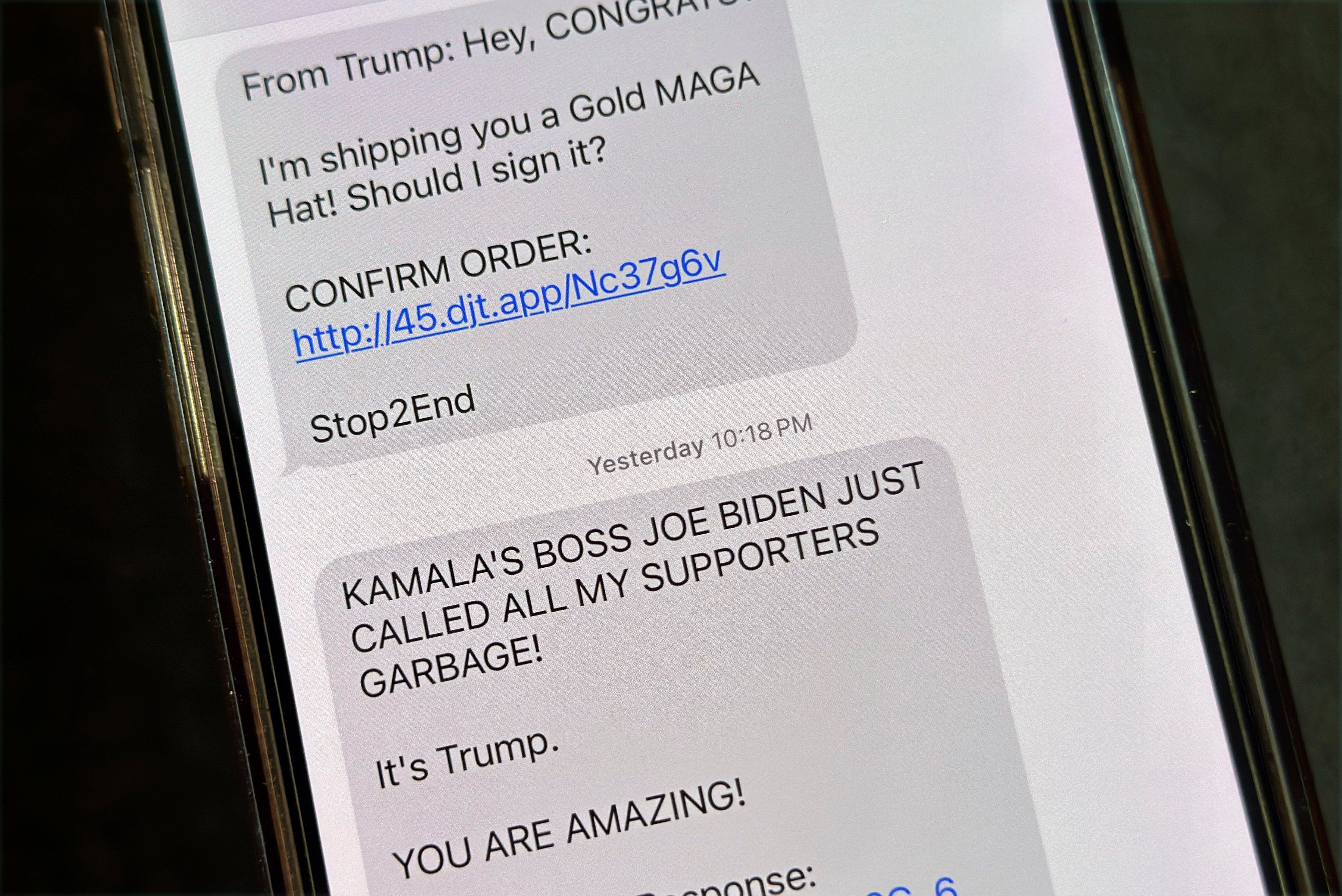
The onslaught is relentless. House Minority Leader Hakeem Jeffries has scolded the author with repeated asks, while President Biden's team sent an urgent message claiming his phone battery was at 5 percent and demanding a response within 15 minutes to join his "Inner Circle." Former President Trump warned of impending doom unless a "final favor" was done immediately. The messages come from across the political spectrum—J.D. Vance, Ted Cruz, Chuck Schumer, Bernie Sanders, Jim Jordan, Kamala Harris, and countless others—each claiming the recipient is essential, their opinion is vital, and their financial support is critical. Even a vaccine advisory board and the mayor of Chicago have gotten in on the act.

The sheer volume is staggering. The author reports receiving up to ten texts and eight emails in a single day, with Jeffries alone using six different phone numbers. Blocking and spam filters do little to stem the tide. After donating to one politician and seeing an immediate uptick in solicitations, the author wrote to ask if her name would be shared—and received no reply.
This raises a legitimate question: is this aggressive, high-frequency fundraising actually effective, or does it alienate potential supporters? The messages range from flattering to manipulative. One from Michael Whatley hailed the recipient as a "battle-tested patriot" whose name was "at the very top of the ledger." Another threatened: "Do you want Donald Trump's face on your money? Please complete the poll or be marked yes."
In response, the author proposes a simple, cheeky countermove: every time a politician or political group asks for money, reply with a request of your own. Imagine writing back, "Hello Fellow Patriot, I am several thousand dollars short of my first of the month funding deadline. I know you care about me since you have written to me so many times. Would you be willing to send me a few hundred dollars to push me on to victory over debt?"
Or perhaps a more practical plea: "Dear Concerned Citizen: My landlord has raised my rent, the cost of fuel is soaring, and a trip to the grocery store tests my credit card balance. Can you help me with this dire financial crisis? As an elected official, I know you have access to more funding than I do."
For those who want to avoid the direct ask, the author suggests a softer approach: "Greetings Respected American. This is not a request for money, as I am sure you get too many of those. I'm just looking for your opinion on issues impacting our country today. Do you feel our country is headed in the right direction? I didn't think so. Are you willing to contribute as little as $100 to help get us back on track?"
The author advises including Zelle, Venmo, or PayPal information in every reply. While it's unlikely anyone will receive a cent, the goal is to mirror the annoyance back at the senders. The idea could even become a collective effort—though the name "Citizens United" is already taken.
This pushback comes amid broader concerns about political fundraising tactics and their impact on voters. As lawmakers scrutinize the use of taxpayer funds for political ads, and legal battles over election integrity continue, the deluge of digital solicitations is another front in the fight for voters' attention and trust. Whether this counterattack gains traction remains to be seen, but it offers a cathartic release for those tired of being treated as walking ATMs.