The Democratic primaries in Michigan and Wisconsin delivered a clear message: the socialist left, which had been riding high since Zohran Mamdani's New York City mayoral victory, has hit a ceiling. But that ceiling is higher than many moderates would like to admit, and the results should give the party's establishment pause.
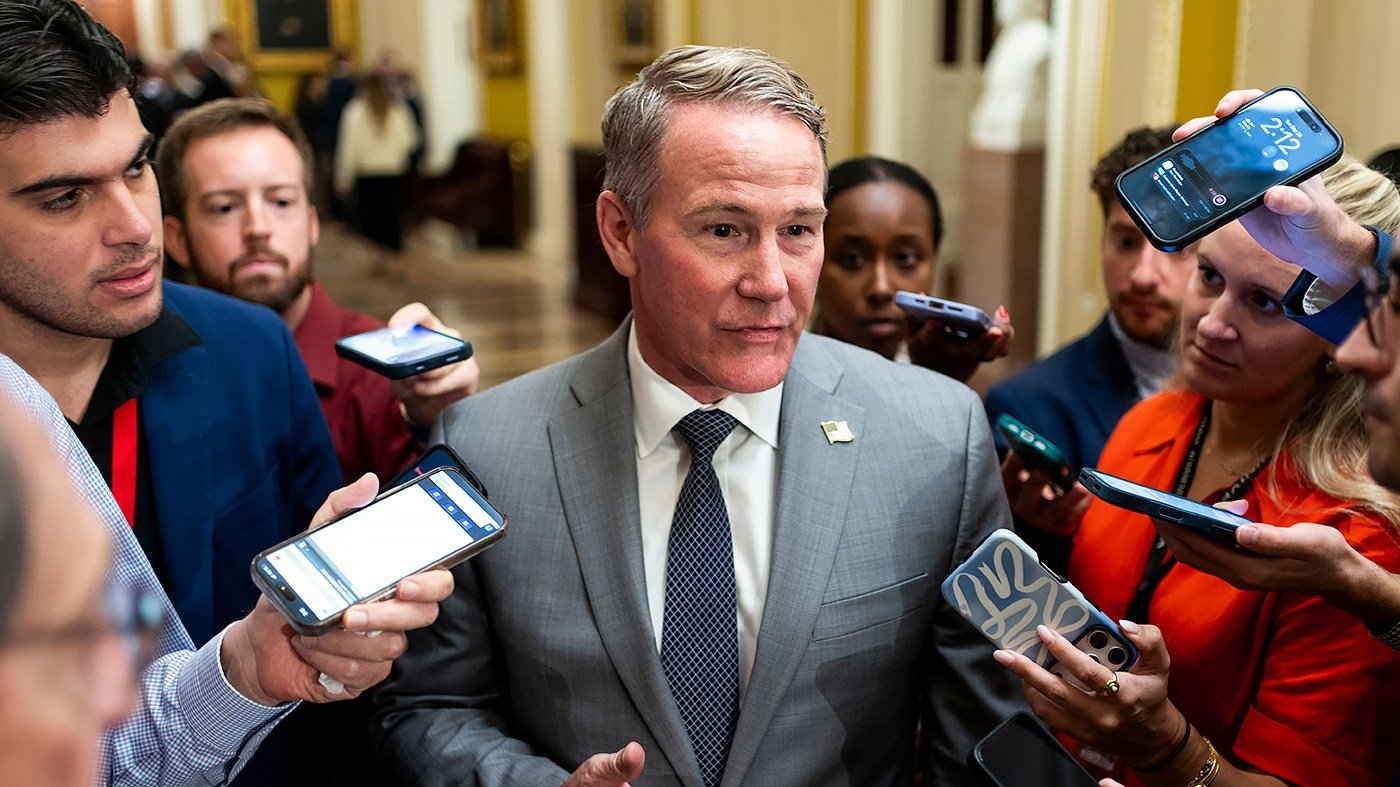
In Michigan, Abdul El-Sayed, a progressive physician, squeaked out a victory over centrist Rep. Haley Stevens by less than one percentage point. Pre-election polls had shown El-Sayed with double-digit leads, and betting markets gave him a 98 percent chance of winning the day before the vote. The narrow margin was a far cry from the mandate progressives had hoped for, and it immediately raised concerns about El-Sayed's viability in the general election.
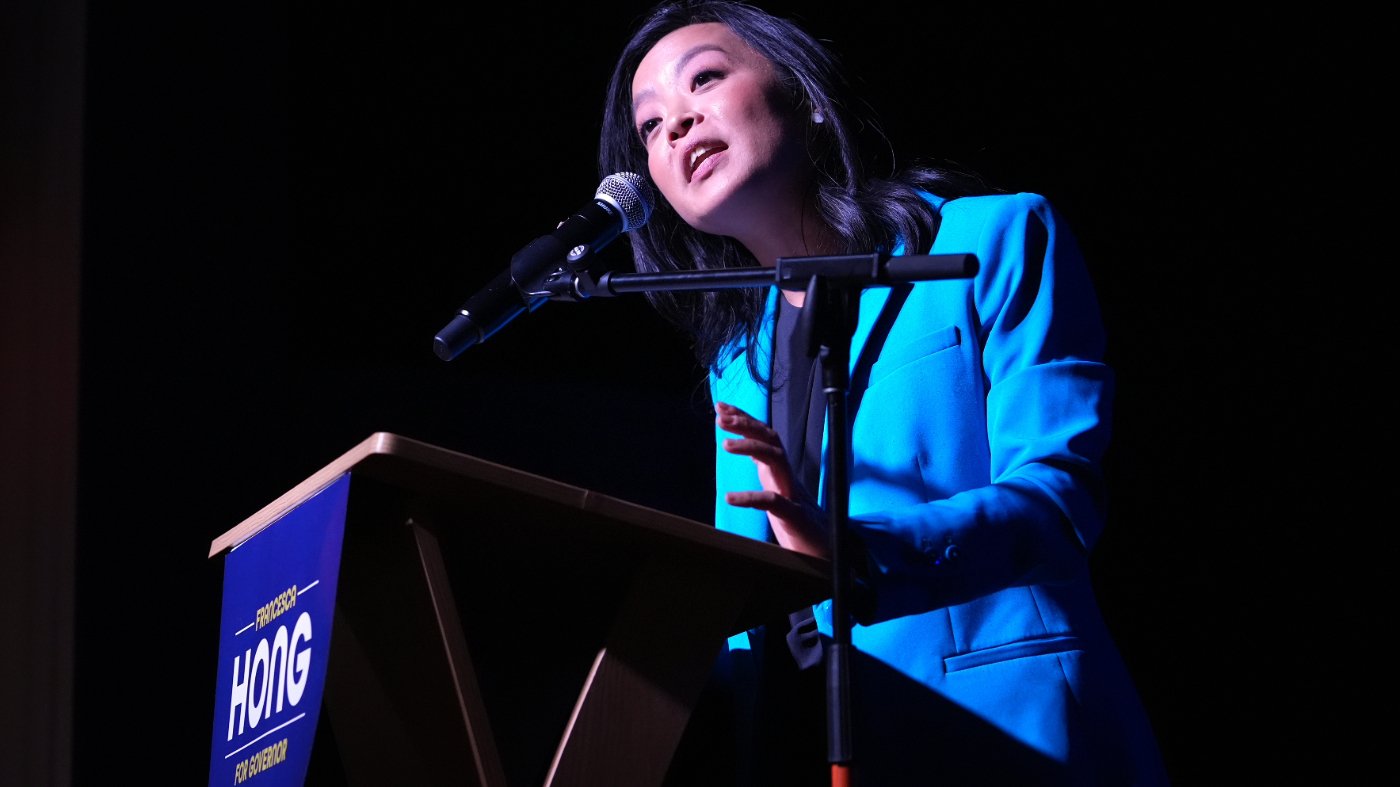
Wisconsin told a similar story. Socialist candidate Francesca Hong came within roughly 4,000 votes of winning her primary, despite being a deeply flawed candidate. Hong openly embraces socialism, supports abolishing ICE, sanctuary cities, and government-run grocery stores. In the final weeks, resurfaced social media posts showed her calling to cancel Thanksgiving, defund the police, and making racist remarks about "old white people." She also lacked endorsements from progressive heavyweights like Bernie Sanders or Alexandria Ocasio-Cortez; only Rep. Ro Khanna backed her publicly.
Progressive Lt. Gov. Peggy Flanagan's 20-point win in Minnesota's Senate primary might seem like a counterpoint, but Minnesota is far bluer than Michigan or Wisconsin, undercutting its relevance as evidence of the left's broader appeal.
Moderate Democrats can breathe a sigh of relief. Had Hong won, she would likely have lost to Republican Rep. Tom Tiffany in November, handing Republicans a winnable governorship. Similarly, if El-Sayed had won by double digits, progressives could have credibly argued that fears about unelectable socialist candidates are overblown. Instead, the tight margins in both states suggest that a significant number of Democratic primary voters still prefer moderates for general election viability.
Rahm Emanuel, a potential 2028 presidential contender, seized on the results, posting that Hong's defeat proves "the pragmatic wing isn't a faction of this party. It's the majority." A July CNN survey supports that view: one-third of Democrats and Democratic-leaning independents identify as socialists, but among those who don't, only 8 percent would be "enthusiastic" about voting for one.
The implications for November are troubling for Democrats. Progressives draw heavily from college-educated, white, and young voters, but they struggle with Black, Hispanic, and working-class white voters—groups that are crucial in purple states. If these voters stay home rather than support candidates like El-Sayed or Hong, Republicans could flip winnable races, even in a favorable cycle.
Yet the left cannot be counted out. The CNN survey also found that 56 percent of Democrats would be "okay" with voting for a socialist. As one analyst noted, had a stronger socialist than Hong run, they might have won. The far left's ceiling is higher than moderates care to admit.
Mainstream Democrats should be relieved, but not complacent. An incredibly vocal and motivated wing of the party nearly won with a weak candidate in Wisconsin and came close in Michigan. The socialist surge is real, and the party has yet to find a defining counter. It may take actual general election losses for the ceiling to be definitively tested, but for now, the left's floor is higher than many moderates would prefer.