Recent polling has come under fire again, with a Siena Research Institute survey claiming New York City Mayor Zohran Mamdani enjoys a 69% approval rating. That figure clashes sharply with the sentiment I hear from bodega owners, taxi drivers, and construction workers across the boroughs. New Yorkers, by and large, are not fond of their young socialist mayor, and the poll's methodology raises serious questions about whether it truly captures the electorate's mood.
The skepticism comes on the heels of several high-profile polling misses in recent weeks, leaving voters wondering what to trust. President Trump has consistently outperformed his polls, leading many of his supporters to dismiss the entire industry. But polling errors are not just a Trump-era phenomenon; they have a long history, and the consequences can be real. When a candidate appears to be crashing in the polls, voters may stay home, believing the outcome is predetermined, and donors may close their wallets.
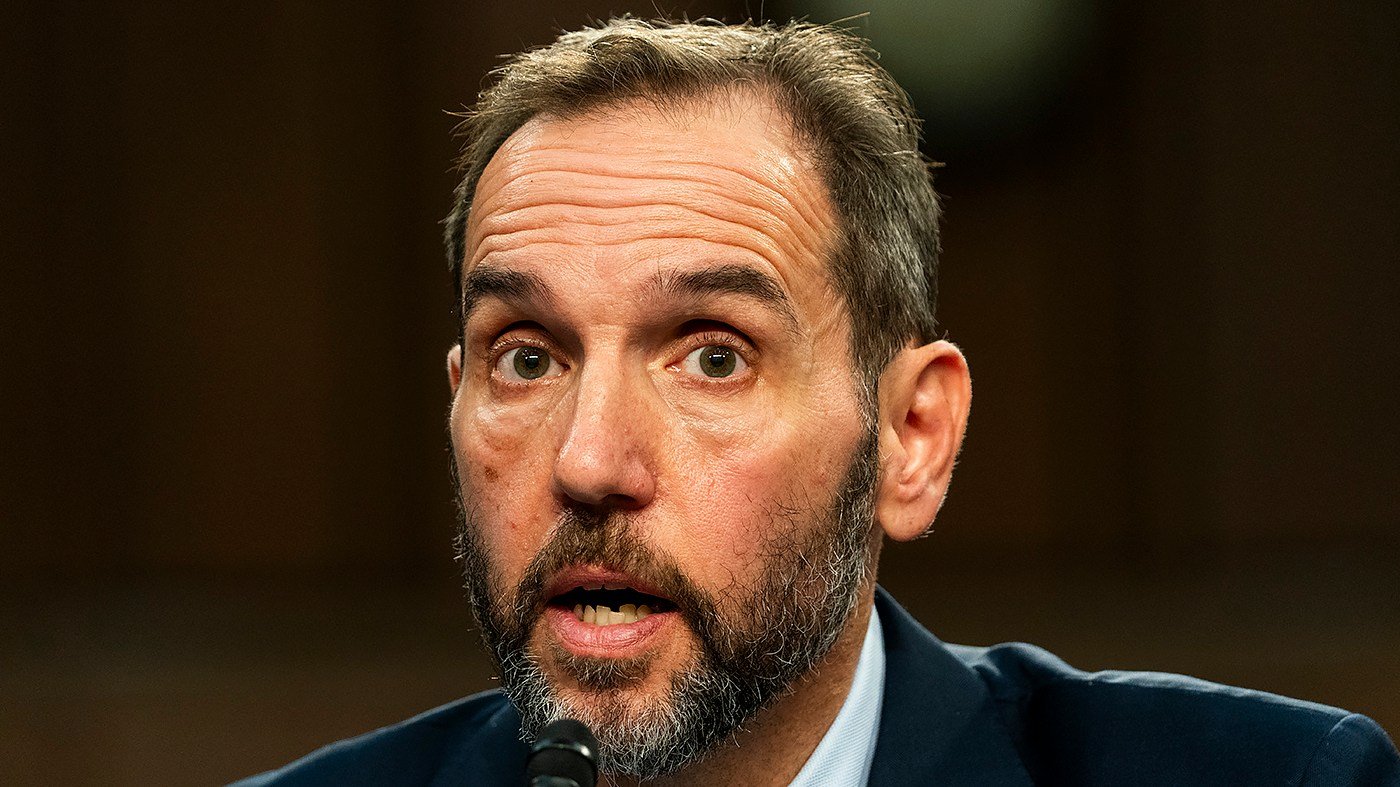
One notable example occurred just after the 2024 election, when then-President-elect Trump sued the Des Moines Register and its pollster, J. Ann Selzer, for what he called “brazen election interference.” Selzer's survey, published days before the vote, showed Democrat Kamala Harris winning reliably red Iowa by 3 to 4 points. That outlier attracted massive attention, but Trump won Iowa by 13 points. Trump later dropped the lawsuit, but many observers suspected the poll was designed to undermine his supporters' confidence. Selzer resigned shortly afterward.
The rise of political betting platforms since then has only heightened the stakes. People with money on races have a greater incentive to manipulate or influence polling, and smaller races are particularly vulnerable. As a result, not all polls are created equal, and even reputable pollsters like Siena can produce misleading results.
The Siena poll in question was part of a broader survey of New York's gubernatorial race, which meant it included only 227 respondents from New York City—a fraction of the city's 8.8 million residents. That sample is statistically meaningless for assessing Mamdani's popularity. Among that tiny group, 69% approved of the mayor, but only 49% approved of the Democratic Socialists of America, his political base. That inconsistency is a red flag, as is the fact that the poll overrepresented white, high-income voters. According to Steve Greenberg of Siena, the sample was not designed to measure Mamdani's actual approval, and indeed, the mayor fared poorly outside the city, with 34% approval in the suburbs and 41% upstate.
The poll's skew toward wealthier, whiter respondents—more than half reported incomes above $100,000, while the state median is under $86,000—likely inflated the mayor's numbers. Mamdani's supporters were quick to tout the poll to boost his image, but its accuracy is highly questionable.
Other recent polls have also raised eyebrows. In Michigan's Democratic Senate primary, polls showed far-left candidate Abdul El-Sayed leading by double digits over establishment favorite Haley Stevens, but El-Sayed won by just one point. Some theorize that white liberals are more likely to respond to polls, skewing results for progressive candidates. Meanwhile, in Minnesota, Lt. Gov. Peggy Flanagan won a Senate primary by nearly 20 points despite polls showing a close race.
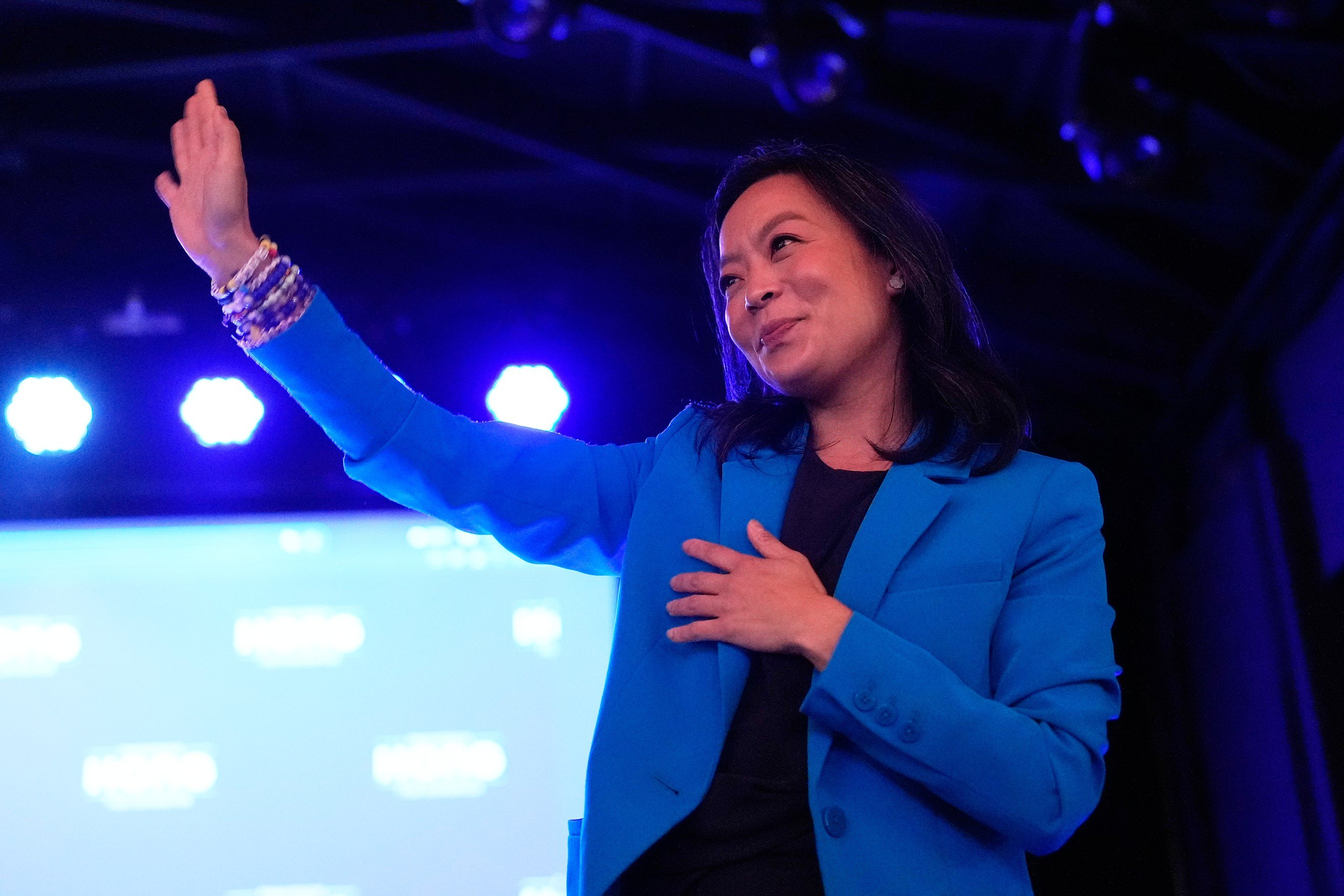
The issue came to a head with the collapse of Median Strategies, a polling firm that admitted to fabricating polls entirely, including one that showed socialist candidate Francesca Hong leading in a Wisconsin race. The firm's website vanished, and the incident underscores the need for voters to do their own homework before casting a ballot. As the firm shut down amid the scandal, it served as a stark reminder that not all data is reliable.
For those watching politics closely, the lesson is clear: don't take any single poll at face value. Look at the sample size, the demographics, and the questions asked. And as far-left candidates keep falling short of polls, it's worth remembering that the numbers can mislead. In an era of betting markets and partisan spin, the most prudent approach is to treat polls as one data point among many—and to trust your own judgment at the ballot box.