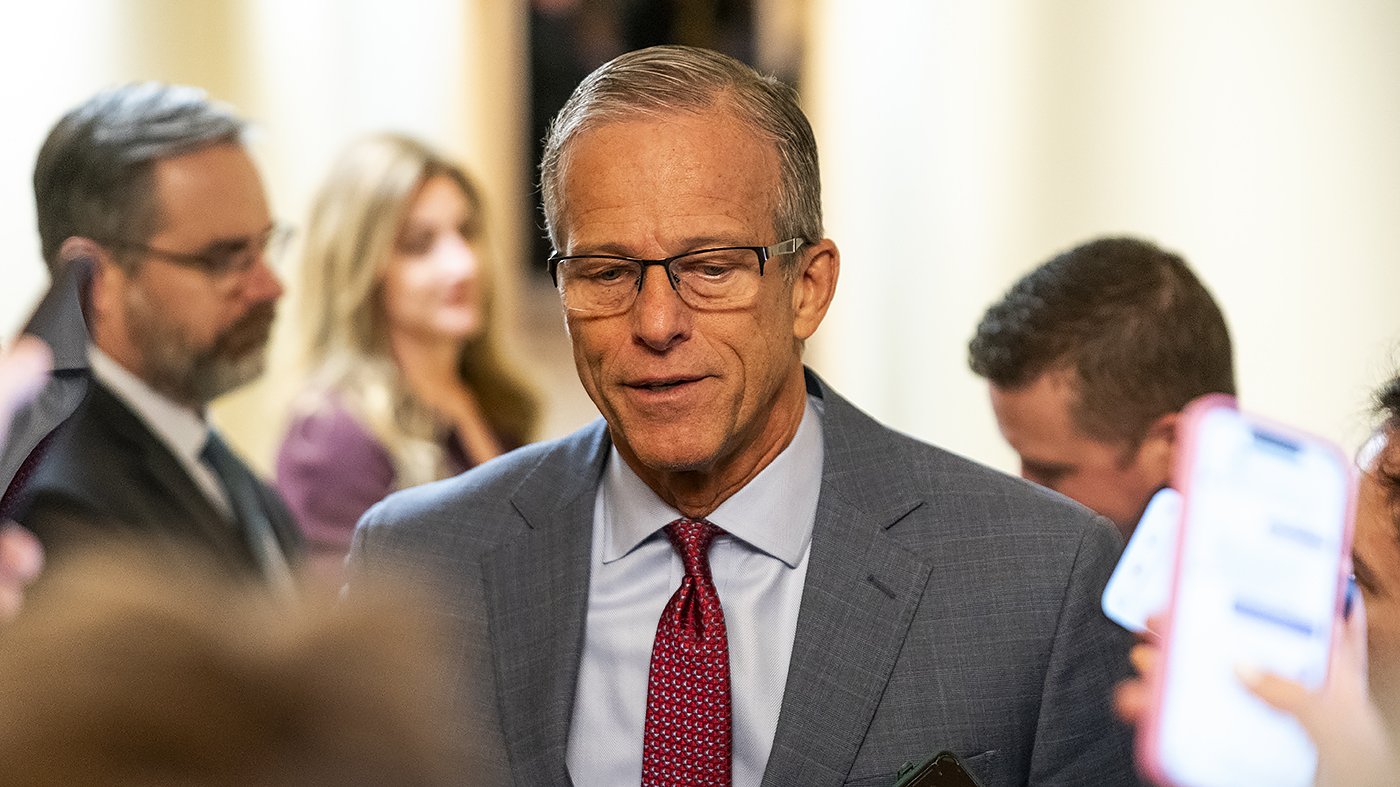
Senate Republicans are locked in an internal battle over whether to push forward a third budget reconciliation package this year to fund defense priorities and extend expiring tax cuts, as the party races to lock in President Trump's agenda before the midterm elections. The dispute has pitted conservative advocates for a broad package against senior appropriators who fear it would undermine the regular budget process.
The immediate trigger is the upcoming vote on a narrowly crafted reconciliation bill to fund Immigration and Customs Enforcement (ICE) and Border Patrol through 2029. Some GOP senators, including Sen. Ted Cruz (R-TX), want to expand that effort into a third reconciliation bill that would also allocate more money for the Department of Defense and extend the working-class Trump tax cuts set to expire. But Senate Majority Leader John Thune (R-SD) is pushing back, warning that reopening tax and spending debates could unravel last year's One Big Beautiful Bill Act.
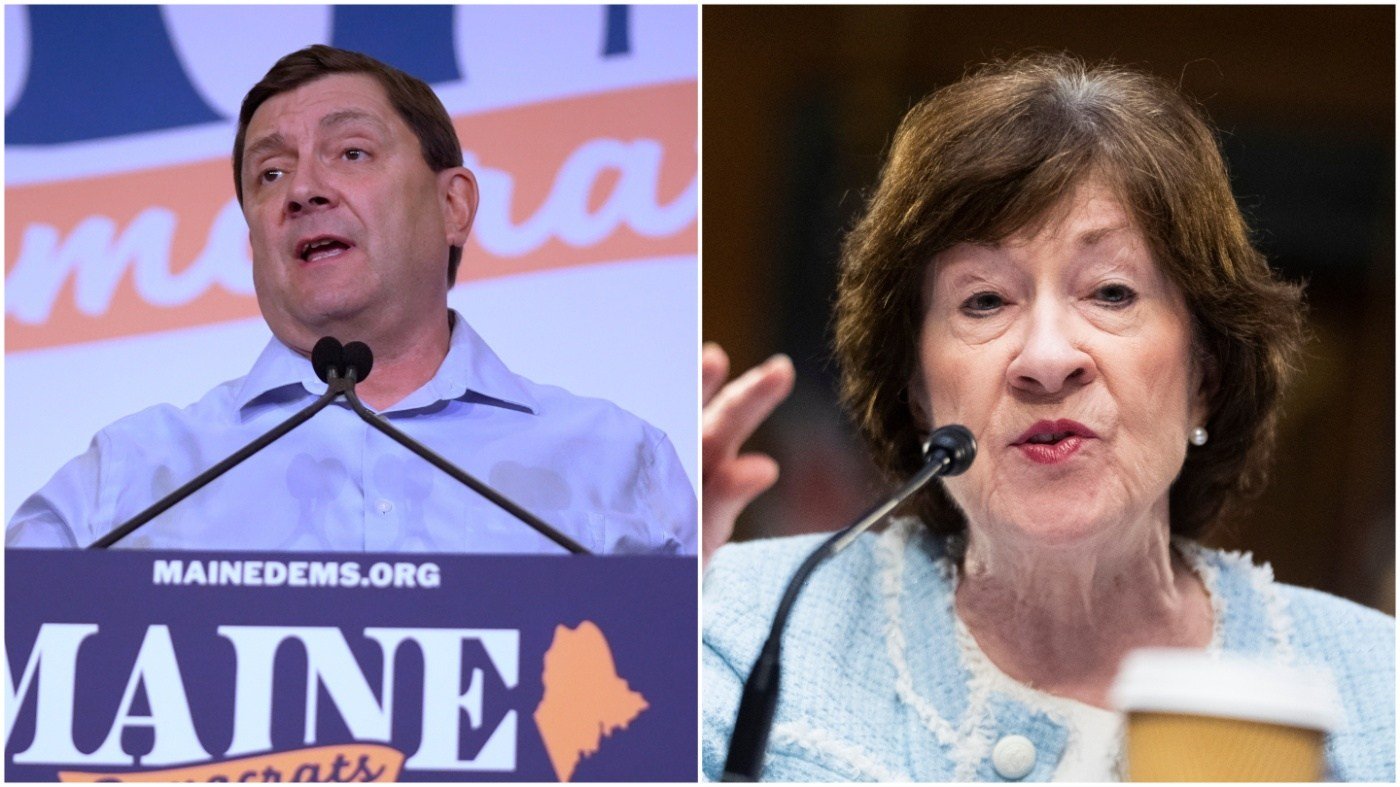
“There’s strong opposition” to a third reconciliation package, a second Republican senator confirmed, particularly among members of the Senate Appropriations Committee. These appropriators argue that funding the Pentagon should be done through regular order, not budget gimmicks, and that relying on reconciliation repeatedly undermines bipartisan cooperation. One GOP lawmaker said it’s “our job” to pass defense funding through traditional appropriations bills that require Democratic support.
The growing pessimism is fueled by fears that Republicans will lose control of the House in the fall elections. “Some are saying, ‘Look, we know the House is going to flip and so this is basically our last opportunity to really do anything,’” a GOP senator speaking on condition of anonymity said. But that urgency is met with resistance from colleagues who refuse to accept that reconciliation is the only path forward.
Senate Democratic Whip Dick Durbin (D-IL) warned that repeated use of reconciliation to sideline the minority party erodes Senate traditions and could hasten the end of the filibuster. “We tend to evolve toward the most recent precedent,” Durbin said, “and this use of reconciliation repeatedly to avoid a bipartisan compromise moves us in the wrong direction.”
The debate comes amid a broader foreign policy challenge, as the Iran conflict drifts into stalemate and Trump seeks an exit without a formal deal. Some Republicans see a third reconciliation bill as a way to fund military operations against Iran, but appropriators remain skeptical.
Sen. John Kennedy (R-LA) dismissed the idea outright. “Somebody started this stuff about there’s going to be a third reconciliation bill and my response to that is: Dreamweaver. I don’t know what year they’re talking about but it’s not happening before the midterm elections.” Sen. Kevin Cramer (R-ND) said he would love to pass such a package but called it “hard to see” how it gets done.
The internal GOP rift highlights the tension between legislative ambition and procedural reality. While Thune has left the door open to a third reconciliation bill later this year, the clock is ticking, and the party’s ability to deliver on Trump’s agenda before the midterms remains uncertain.