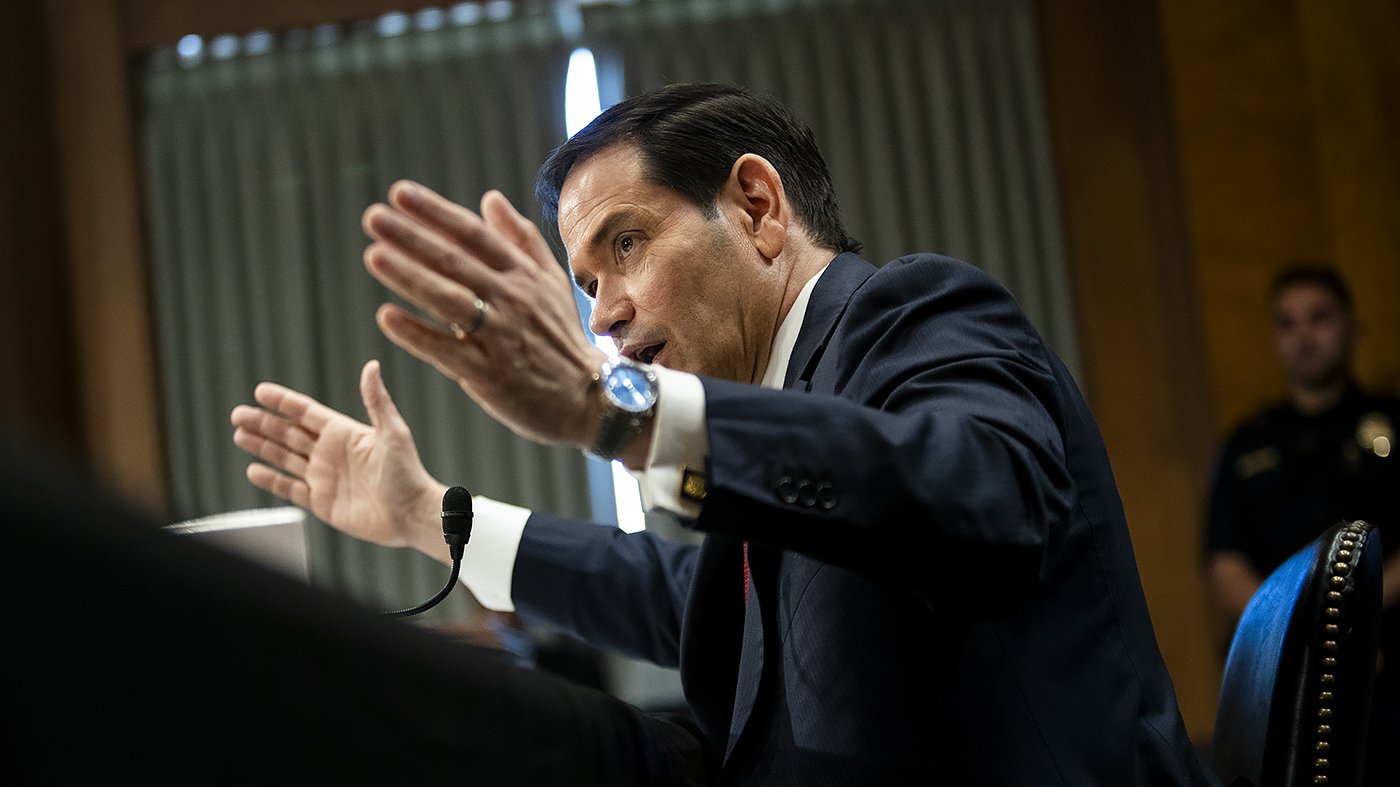
Secretary of State Marco Rubio escalated the Trump administration’s confrontation with the International Criminal Court on Monday, announcing a coordinated diplomatic campaign aimed at dismantling the Hague-based tribunal. In an op-ed for the Wall Street Journal and a video message on social media, Rubio framed the effort as a defense of national sovereignty against what he called 'unelected globalist bureaucrats.'
'The U.S. is launching a diplomatic campaign with a simple message — sovereign states over globalism,' Rubio wrote. 'Using all the tools at our government’s disposal, working beside every ally with whom we can make common cause, we will dismantle the ICC — brick by brick, if necessary.'
The announcement follows a lawsuit filed last month by three ICC judges in New York, challenging sanctions imposed by the Trump administration as unlawful. A State Department official told Reuters that the diplomatic toolkit includes travel bans, visa revocations, expanded sanctions against the ICC and its affiliates, and pressure on member states to withdraw from the Rome Statute, the treaty that established the court in 2002. The ICC currently has 125 member nations.
Rubio’s broadside reflects a deepening rift between Washington and the ICC, which has long drawn Republican ire for its investigations into U.S. military actions in Afghanistan and Israel’s operations in Palestinian territories. In his op-ed, Rubio described the court as 'backed and run by a powerful network of leftist nongovernment organizations, smug globalists, and hostile Third World governments united by their enmity toward the U.S.'
The U.S. has never ratified the Rome Statute, and relations with the ICC have fluctuated sharply between administrations. Democratic presidents have engaged more closely: the Obama administration supported the court’s probe into post-election violence in Kenya, while the Biden administration shared intelligence to help build a case against Russian President Vladimir Putin for war crimes related to the abduction of Ukrainian children. That cooperation reportedly led the ICC to deprioritize investigations into U.S. service members in Afghanistan.
Republican administrations have taken a harder line. Both George W. Bush and Donald Trump pushed back against ICC probes into U.S. and Israeli conduct. The 2002 American Service-Members’ Protection Act, passed with broad bipartisan support, authorizes the president to use force to free any U.S. personnel detained by the ICC.
Rubio’s campaign comes amid a broader Trump administration push to reassert U.S. sovereignty on multiple fronts, including trade and energy policy. The move also echoes recent actions by the administration, such as the reinstatement of a Strait of Hormuz blockade and a 20% shipping levy, signaling a willingness to use economic and diplomatic leverage to challenge international institutions.
Critics argue that the administration’s assault on the ICC undermines global accountability for war crimes and human rights abuses. But Rubio and his allies frame the fight as a necessary check on an overreaching body that threatens U.S. interests and those of its allies, including Israel.
As the diplomatic campaign unfolds, the administration is likely to face pushback from European allies who remain committed to the ICC. The court’s supporters warn that a U.S.-led effort to dismantle it could destabilize the international legal order, especially as the ICC pursues cases against Russian leaders for atrocities in Ukraine.