Agriculture Secretary Brooke Rollins is pushing a plan to relocate the U.S. Forest Service headquarters out of Washington and drastically cut its research infrastructure, a move she frames as bringing the agency closer to the forests it manages. But critics—including lawmakers, former officials, and the public—see it as a thinly veiled effort to gut the agency and hand public assets to private interests.
Sophistry or Strategy?
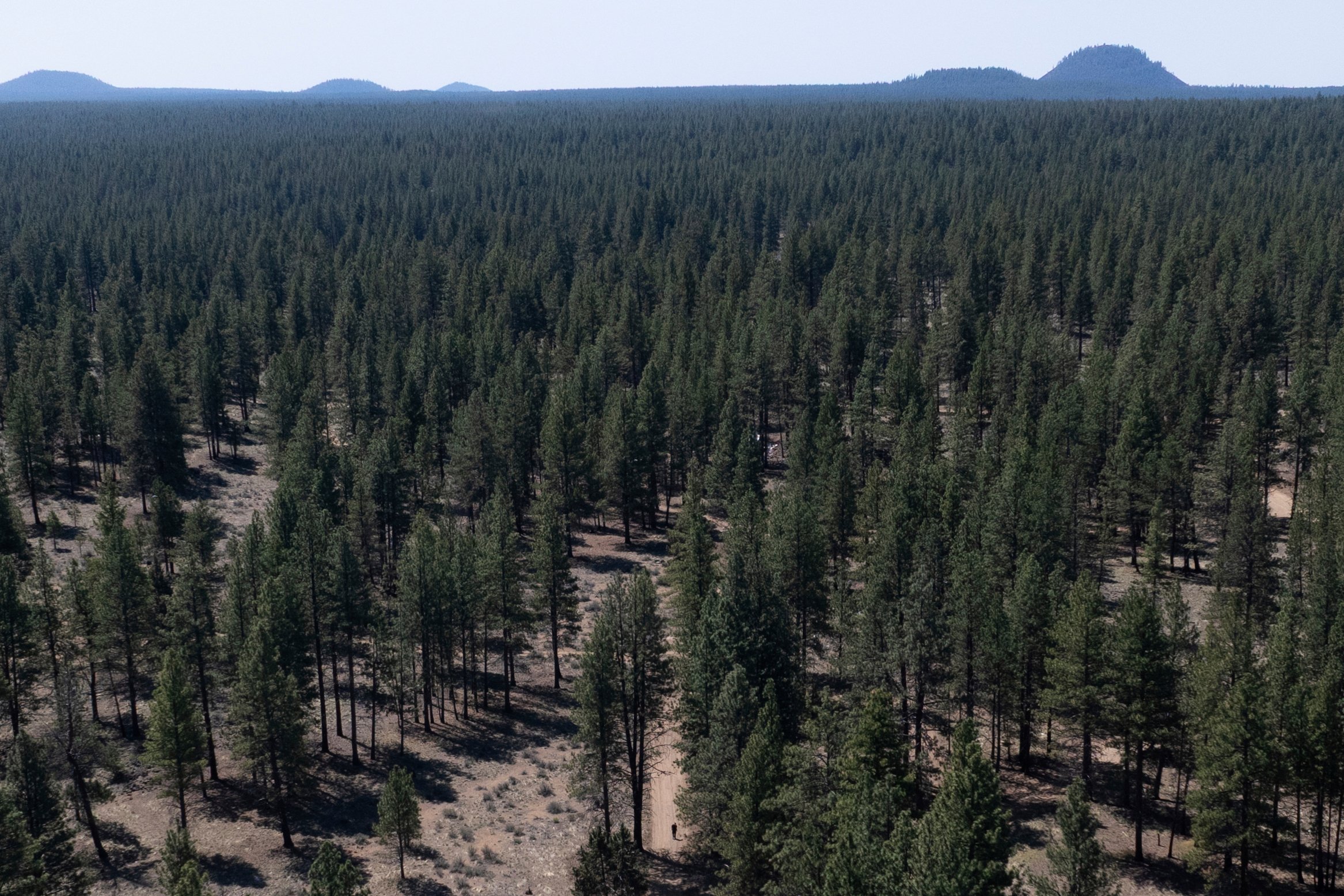
Rollins argues that moving staff closer to forests will improve the agency's core mission. However, opponents call that reasoning flawed. The idea that proximity alone confers expertise is, as one critic put it, akin to saying someone living near an airport deserves pilot's wings. Forest Service professionals earn their credentials through education and experience, not geography.
If Rollins truly valued expertise, she would keep those professionals in Washington, where they can collaborate with other policy experts. Instead, her plan aligns with a broader agenda to downsize government—a priority she stated plainly after taking office. The proposal mirrors the playbook of the America First Policy Institute, which Rollins led before her current role.
Overwhelming Opposition
The plan is wildly unpopular. The Department of Agriculture's own evaluation of public comments shows 82% oppose it, with only 5% in favor. Lawmakers have called it "half-baked." Rollins has also set her sights on the department's food safety and nutrition assistance units, signaling a broader push to reorganize the agency into near-oblivion.
This isn't the first such attempt. Former Agriculture Secretary Sonny Perdue moved key research offices out of Washington during the first Trump administration, and the result was a "nightmare," according to former employees. Critical research stalled, valuable researchers left, and non-white workers were disproportionately affected—Black workforce numbers dropped from nearly half to less than 20%. Rollins appears to be using Perdue's experiment as a template, not a cautionary tale.
Research Under Siege
Rollins has already halted politically objectionable research and now aims to shutter three-quarters of Forest Service research facilities while slashing their budgets. This isn't efficiency; it's a recipe for extinction of forest science. Meanwhile, Forest Service Chief Tom Schultz told House appropriators that the agency's priorities are timber sales, critical minerals permitting, and grazing allotment management—despite the fact that national forests supply only 6% of the nation's timber and negligible amounts of oil and gas.
Recreational benefits from national forests, by contrast, generate over $12 billion annually, according to the agency's own research. Yet protecting environmental quality appears to be an afterthought for the current administration.
Public Trust at Risk
National forests are held in public trust for the benefit of the entire country, not just adjacent communities. This principle has guided federal law for more than a century. Rollins' plan threatens that legacy, prioritizing resource extraction over conservation and recreation.
President Trump has called for Teddy Roosevelt to be inducted into the NFL Hall of Fame for his efforts to improve football safety. But as Roosevelt himself warned in his 1908 address to Congress, saving the forests is a duty owed to future generations. If only the current administration valued the nation's forests as much as it values football.