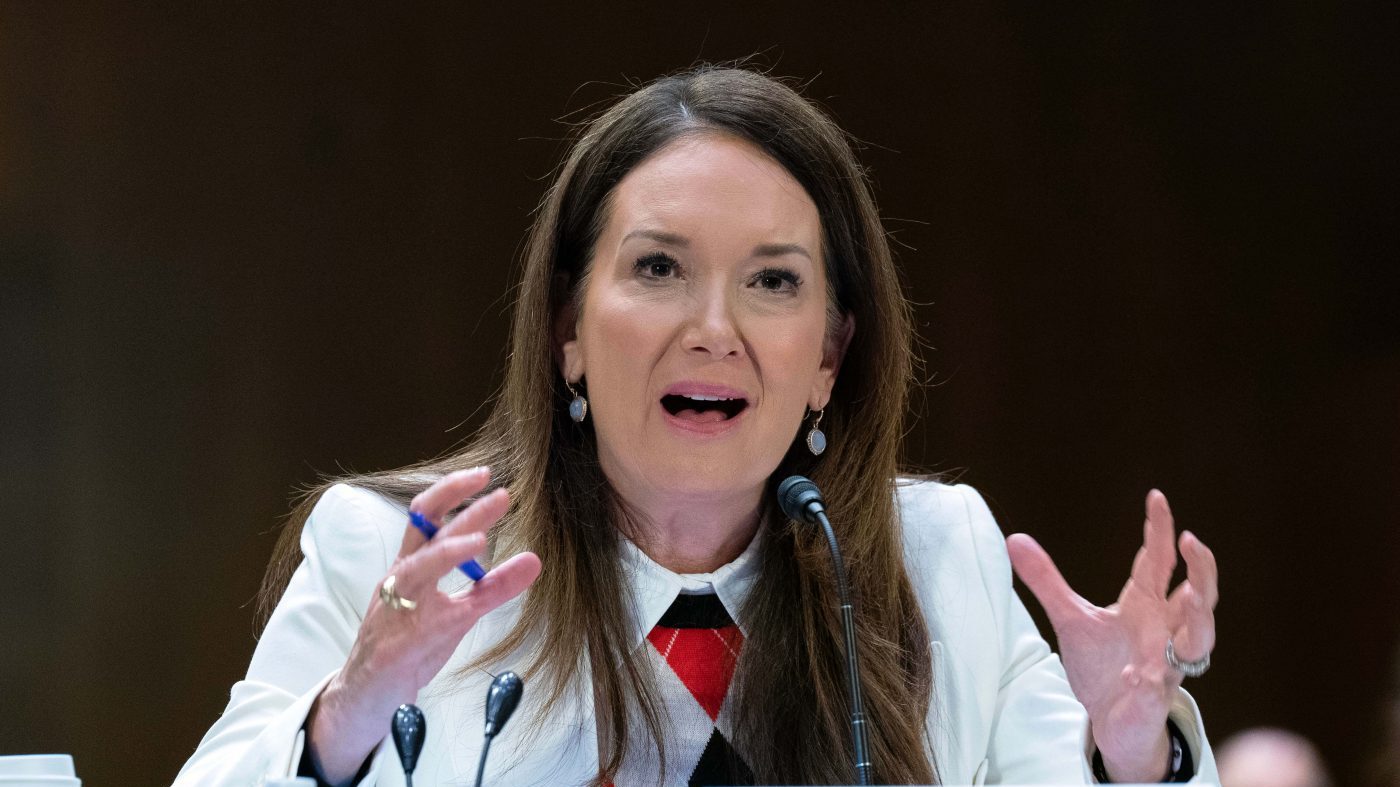
U.S. Department of Agriculture Secretary Brooke Rollins is set to testify before a House panel Thursday morning, defending the Trump administration's fiscal 2027 budget request and its approach to domestic agricultural priorities. The hearing comes as the White House seeks $20.8 billion in discretionary budget authority for the USDA, a steep $4.9 billion reduction from the current year's allocation.
The budget cuts arrive at a volatile moment for American farmers, many of whom are struggling to afford fertilizer due to surging costs. The price spike is linked to the closure of the Strait of Hormuz, a critical shipping lane, and the ongoing U.S.-Israeli military campaign in Iran. Rollins has previously downplayed the severity of the price increases, suggesting they “shouldn’t be too disruptive” for the agricultural sector.

Lawmakers are expected to press Rollins on how the USDA plans to support farmworkers facing these cost pressures while operating under a significantly reduced budget. The hearing also provides a platform for Democrats to criticize the administration's broader spending priorities, particularly as inflation remains a concern for rural communities.
The budget request aligns with President Trump's broader push to rein in federal spending, but it has drawn sharp criticism from agricultural groups who warn that cuts could undermine food security and rural development. The USDA's discretionary budget covers key programs including crop insurance, conservation initiatives, and rural infrastructure.
Rollins' testimony follows a series of contentious budget hearings across the administration, including Homeland Security Secretary Mullin's defense of a $63 billion DHS budget request amid GOP infighting. The pattern underscores the internal divisions within the Republican Party over fiscal policy, with some conservatives demanding deeper cuts while others worry about the political fallout in farm states.
The hearing also takes place against the backdrop of heightened geopolitical tensions. The closure of the Strait of Hormuz, a result of the broader conflict in the Middle East, has disrupted global supply chains, driving up the cost of key agricultural inputs. Critics argue that the administration's budget proposal fails to account for these external shocks, leaving farmers exposed.
Rollins is expected to face pointed questions about the USDA's contingency plans for mitigating the fertilizer crisis. Some lawmakers have called for emergency relief or expanded subsidies, but the administration has so far resisted such measures, preferring to let market forces adjust.
The hearing is scheduled to begin at 10 a.m. EDT. A live video feed is available above for viewers to watch the proceedings unfold.
This budget battle comes as other agencies also face scrutiny. For instance, Secretary of State Rubio recently faced House grilling over Iran policy and State Department cuts, highlighting the administration's broader strategy of reducing federal spending while managing international crises.
As the hearing gets underway, all eyes will be on Rollins' ability to navigate the competing pressures of fiscal restraint and agricultural necessity. The outcome could have significant implications for the 2027 farm bill and the administration's relationship with rural voters.