In a recent op-ed, soccer star Megan Rapinoe declared that women and girls "can speak for ourselves." As two female high school athletes in Washington state, we couldn't agree more. But here's the problem: Rapinoe's words ring hollow when she dismisses the very girls who are speaking up about the impact of current sports policies on their competitions.
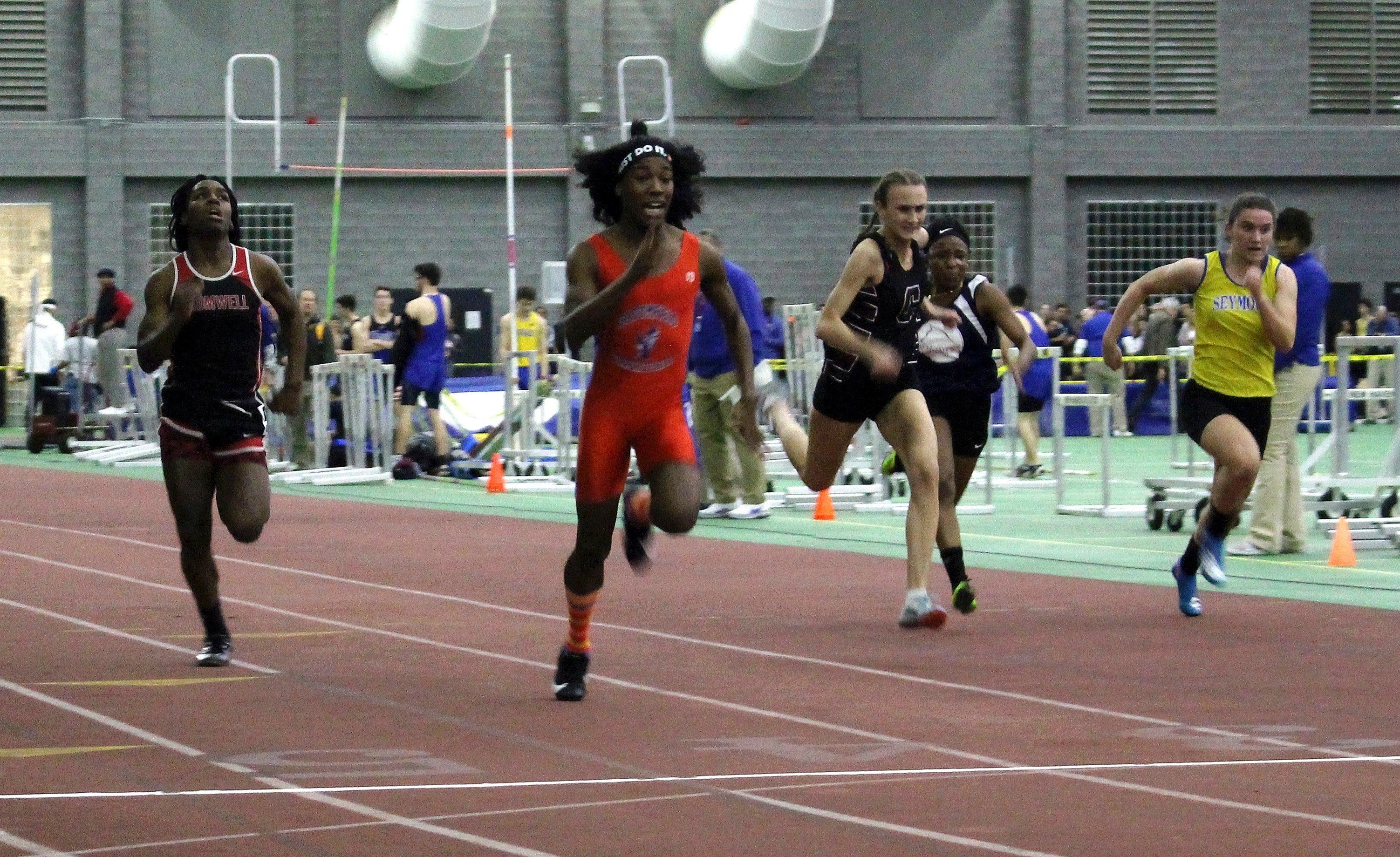
Our experiences under Washington's existing rules illustrate the stakes. One of us finished second in the girls' 1600-meter state race—behind a biological male. The other chose to sit out a girls' basketball game rather than compete against a biological male on the opposing team. We both wanted what every girl athlete wants: a fair and safe chance to compete. Instead, we were denied that opportunity.
Speaking out has come at a heavy price. We've been labeled hateful, transphobic, bigots, and bullies. We've faced online and in-person harassment. One of us was told she'd be responsible if transgender athletes took their own lives because she spoke up. Another was sued for sharing her story. All this for demanding fair competition, privacy, and equal opportunities for girls.
That's why Rapinoe's essay is so frustrating. She claims to support girls speaking for themselves, yet she dismisses those who do. We respect her achievements on the soccer field—she helped elevate women's sports and fought for better pay and recognition. But her entire career was built within a protected female-only category. She never had to compete for a spot on a sex-neutral national team. Rapinoe benefited from the very sex-based divisions she now downplays, making it easy for her to tell high school girls to accept policies she never faced.
Her most alarming claim about Washington's Initiative 638 is that it would force girls to undergo genital inspections or buy DNA or hormone tests. That's simply false. The initiative, on the fall ballot, would require students in female-only sports to provide a statement from their own health care providers verifying biological sex—part of the sports physical they already complete. Doctors can rely on existing records or patient history. In fact, Washington doctors already use internal forms with sex verification, and those forms stay with the doctor. Initiative 638 just adds a checkbox on a form that already exists.
Rapinoe also asks whether girls who are tall, muscular, fast, short-haired, or deep-voiced will be deemed "girl enough." Of course not. A girl can be tall, strong, or have interests that defy stereotypes—that doesn't make her any less female. Keeping girls in girls' leagues and boys in boys' leagues isn't about appearance; it's about sex. Initiative 638 would have recognized Rapinoe as female, allowing her to compete and become a World Cup champion.
Some argue that transgender athletes are so few that girls should just accept the status quo. But Washington doesn't even know how many biological males are competing in girls' sports. One of us had faced four different biological males by her sophomore year. The state superintendent noted that WIAA's reported numbers only count transgender athletes at the varsity level, leaving out everyone below. For girls, even one lost roster spot, championship, scholarship, or fair shot is too many.
This isn't about hatred or denying anyone's dignity. Transgender students deserve respect, privacy, and protection from harassment. Every student should have a chance to participate. But respecting one group shouldn't come at the expense of another. Protecting transgender students doesn't require girls to give up the fairness and safety that sex-based categories provide. Washington can and should do both.
We don't want Rapinoe to stop speaking. We're asking her to stop dismissing girls who disagree, treating them as invisible or manipulated. When she does that, she fuels hostility and makes it harder for girls to share their stories without fear. Listening to girls means listening to all girls—even those who disagree. We are speaking for ourselves, and we will not quit.
Frances Staudt and Ahnaleigh Wilson are high school athletes in Washington state.