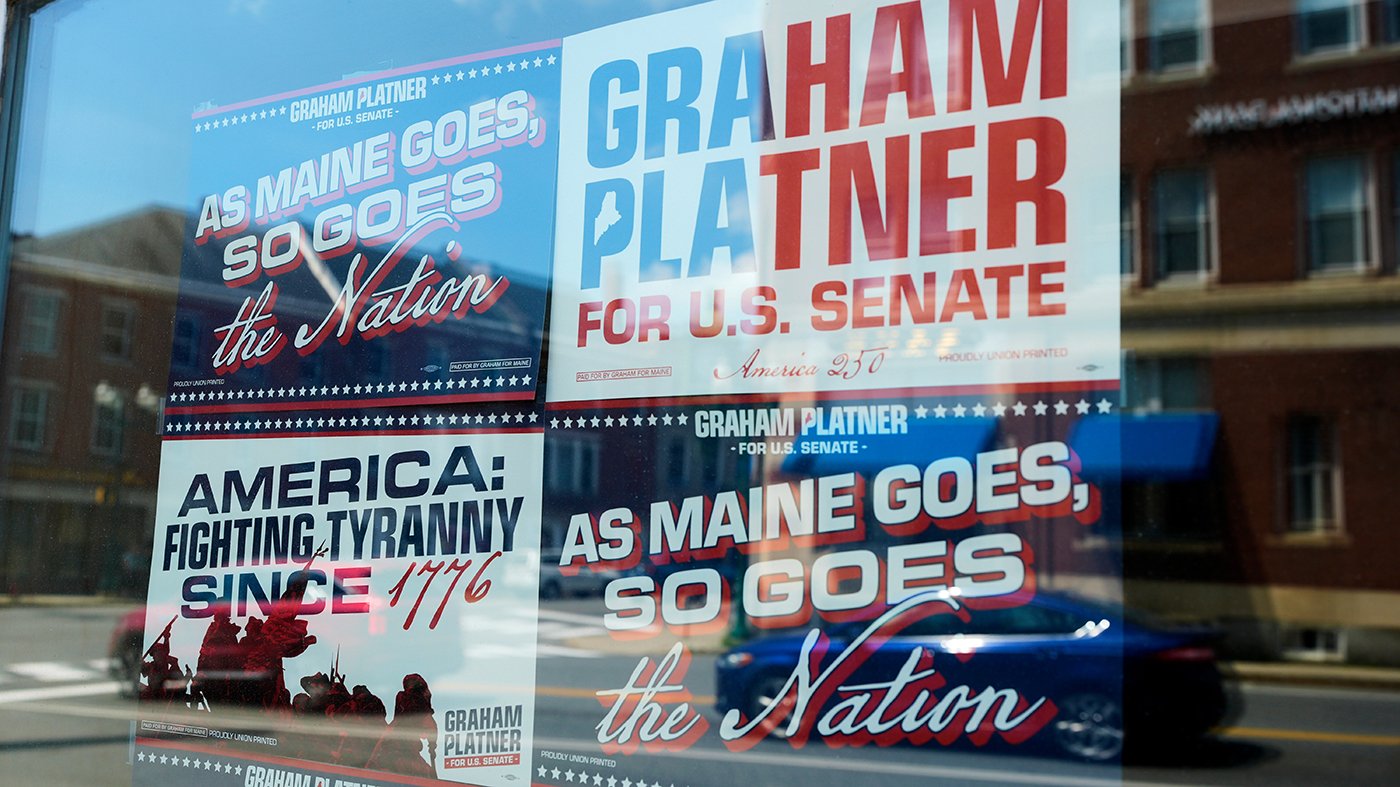
The abrupt departure of Graham Platner from Maine's Senate contest has reignited a bitter internal war within the Democratic Party, pitting the progressive wing against a more centrist establishment. The fallout, which erupted online and behind closed doors, underscores the party's struggle to define its identity after devastating losses in the 2024 elections.
Moderates Sound the Alarm
For many moderate Democrats, Platner's exit validated their long-standing argument that the party's infatuation with fresh-faced outsiders comes at a cost. They contend that experience and electability remain essential, especially in competitive races like the one against Republican Senator Susan Collins. "You can't choose candidates based on their flannel shirt and beard," said Matt Bennett, executive vice president of the centrist think tank Third Way, alluding to Platner's image. "Candidates who have never been tested or vetted."
Bennett added that the controversy has "exposed the enormous cracks in the foundation" of the progressive argument. Some moderates have specifically pointed fingers at the Democratic Socialists of America, accusing them of prioritizing ideological purity over party success. "They don’t give a rat’s a-- about the Democratic Party in its current form, and they’re trying to change it," Bennett said. "We’re trying to stop them."
Progressives Push Back
Progressives, however, see the episode as a coordinated attack by the establishment to undermine their rising influence. They point to a string of primary victories as evidence that Democratic voters are hungry for change and reject the status quo. "These are people who have all the money in the world and have tried to take [Platner] down and are happy they got a win," said Nomiki Konst, a progressive strategist. "Now they want to use that as an opportunity to go after every other leftist. It's not going to bode well."
The tension spilled into public view when Morris Katz, a strategist who helped recruit Platner, expressed disappointment on social media. Neera Tanden, a veteran Democratic operative, fired back with a pointed retort: "Frankenstein was also deeply disappointed in his monster."
One Democratic strategist, who asked to remain anonymous, accused moderates of a "coordinated campaign" to take down high-profile progressives. "It's fairly obvious what we've seen over the last couple of weeks—especially in the Michigan Senate race—is a coordinated campaign by moderates to take down a high-profile progressive," the strategist said. "They’ve been overzealous. And frankly it’s shocking that this wing of the party has exerted much more energy to dunk on the left wing of their coalition than they ever have to defeat Donald Trump."
Stakes Beyond Maine
The divisions exposed by Platner's exit extend well beyond Maine. In Michigan's Senate primary, moderates backing Representative Haley Stevens have cast progressive candidate Abdul El-Sayed as unvetted and untested, echoing the same criticisms leveled at Platner. The battle reflects a broader struggle for the party's direction as Democrats seek to regain footing after losing the White House, House, and Senate in 2024.
Despite the infighting, polling suggests Democratic voters are not clamoring for a move to the center. An Economist/YouGov poll released last month found that 45 percent of Democrats want the party to stay where it is, while 31 percent want it to shift left. Only 10 percent prefer a rightward move. "They’re not listening to what voters are saying, which is that they aren’t happy with the way things are going, and they are desperate for change," said a second strategist.
Democrats are widely expected to win back the House this fall, but the Senate remains a steep climb. If the party cannot unseat Collins in a state that has repeatedly backed Democratic presidential candidates, hopes of regaining the Senate majority may be dashed. "The party needs to focus on winning," said Democratic strategist Rodell Mollineau. "There are some places where there’s an ability to run with a progressive candidate and other places where we cannot. That is a reality. At the end of the day both sides need to decide what’s important: ownership of the party or taking back the House and Senate so we can stop this administration from doing what they’re doing."
As the 2026 midterms approach, the Platner debacle serves as a stark reminder of the fault lines that remain. With both wings dug in, the question is whether Democrats can bridge their differences—or whether the internal war will cost them at the ballot box. For more on how the party is grappling with these tensions, read how Maine Democrats are scrambling to replace Platner and why strategist James Carville warns progressives are repeating past mistakes.