Former House Speaker Nancy Pelosi stated unequivocally on Monday that she had no prior knowledge of sexual misconduct allegations against California Democratic Representative Eric Swalwell. Her comments came after Swalwell announced his resignation from Congress and his withdrawal from the race for California governor.
Allegations Prompt Political Exit
Swalwell's decision follows reports published late last week by The San Francisco Chronicle and CNN detailing accusations from a former staffer who alleges the lawmaker sexually assaulted her on two occasions. Three additional women came forward claiming Swalwell sent them inappropriate messages and explicit photographs. The swift political fallout saw Swalwell end his gubernatorial campaign, where he was considered a frontrunner, and submit his resignation from the House of Representatives, a move Pelosi later characterized as "smart."
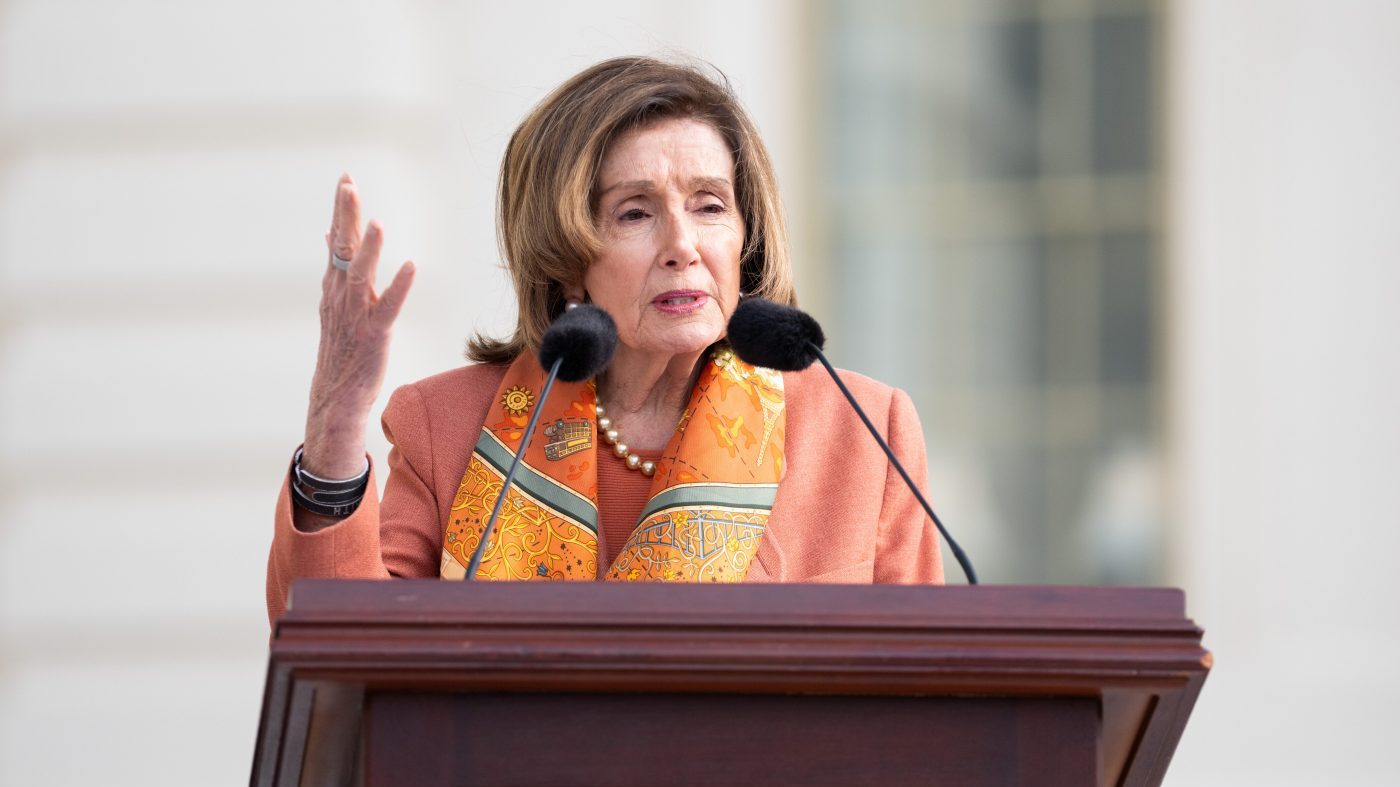
During a public event at The George Washington University, former CNN correspondent Frank Sesno directly asked Pelosi if she had been aware of Swalwell's alleged behavior. "None whatsoever. I had none whatsoever," Pelosi replied. She forcefully rejected suggestions from Republican critics that Democratic leadership had ignored warning signs regarding Swalwell's conduct toward women, calling such claims "absolutely not true."
Calls for Investigation and Accountability
In a statement released through her communications director, Pelosi emphasized the need for a thorough inquiry. "The young woman who has made serious allegations against Congressman Swalwell must be respected and heard," she wrote. "This extremely sensitive matter must be appropriately investigated with full transparency and accountability." She noted that she had discussed the situation with Swalwell and concluded that addressing the allegations was incompatible with a statewide campaign, a view that led her and other prominent Democrats to call for his exit from the gubernatorial race. The controversy has already triggered broader political consequences, as seen in reports that the House faces multiple potential expulsion votes stemming from this and other ethics scandals.
Pelosi framed Swalwell's congressional resignation as a prudent choice to avoid a historic and contentious expulsion vote. "Probably five times in the history of our country has anybody been rejected from the Congress. Why should you be the sixth?" she asked rhetorically. "If you have a challenge that you have to address, it's best addressed not as a candidate for governor and not as a member of Congress." She confirmed she did not pressure him to resign, stating the decision was "his decision" to make.
Political Repercussions and a Crowded Field
The allegations have caused significant disruption within California Democratic politics. Senator Adam Schiff, among others, withdrew his endorsement of Swalwell's gubernatorial bid, stating he was "deeply distressed" by the accusations. Pelosi herself has not yet endorsed a candidate in the now wide-open race. When asked about her preference, she said she wanted to gauge public sentiment, remarking, "There are plenty of good candidates in the race. Probably too many good candidates in the race." Swalwell's departure fundamentally reshapes California's open gubernatorial contest, creating opportunities for other contenders.
The scandal has also ignited fierce partisan debate. Some Republican members have used the allegations to criticize Democratic oversight, with one lawmaker making extreme statements regarding punishment for sexual offenses. This political friction is not isolated, as Pelosi has recently made headlines for other sharp critiques, including suggesting a former president's behavior warrants psychiatric evaluation.
As the legal and ethical processes unfold, the accusers have expressed a sense of validation following Swalwell's resignation. Their allegations, now under formal investigation, have abruptly ended a political career and altered the landscape of a major state election. The episode underscores the continuing impact of misconduct allegations on political careers and party dynamics, demanding accountability from figures at the highest levels of power.