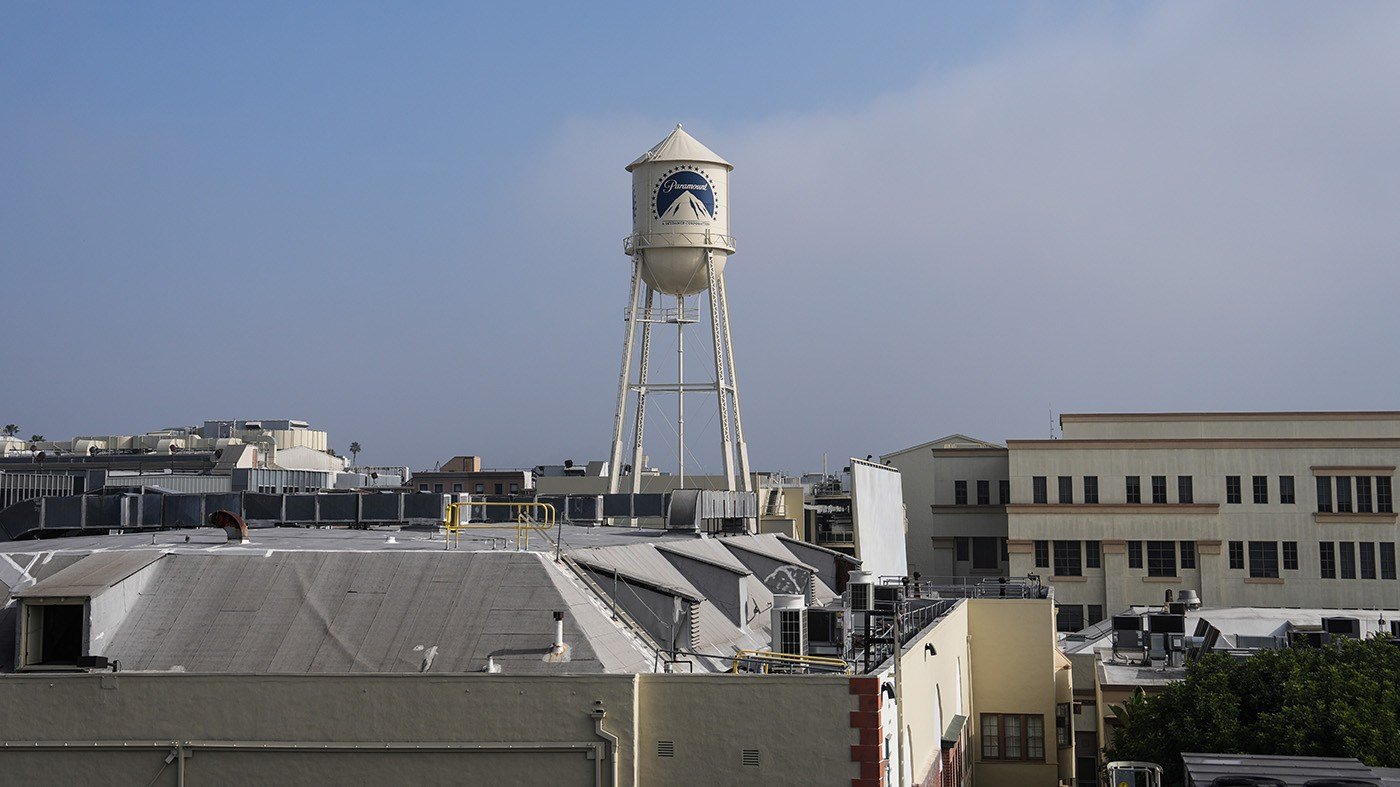
Paramount's proposed acquisition of Warner Bros. Discovery (WBD) is barreling toward an antitrust trial in California next spring, after state attorneys general accused the company of sabotaging settlement negotiations. The legal clash intensified this week when California Attorney General Rob Bonta (D) scrapped a planned mediation session, alleging that Paramount orchestrated leaks about prior talks to shape public perception and undermine the process.
The dispute, which has drawn sharp partisan lines, pits a group of Democratic state AGs against Paramount's top executive, David Ellison, a prominent ally of President Trump. Ellison has waged an aggressive public relations and legal campaign to salvage the $110 billion deal, which would create the world's largest media conglomerate. The merger, announced in February, would give Ellison's family unprecedented control over television, film, and streaming content across the U.S. and globally.
Paramount's legal chief earlier this month threatened to relocate the company's headquarters out of Southern California if Bonta did not drop the lawsuit, escalating tensions between the company and the state. The company has also pushed back in court filings, arguing that the merger is essential to compete with deep-pocketed tech giants like Amazon, Apple, and Netflix, which are pouring billions into entertainment and live sports.
Under Ellison, Paramount has aggressively expanded its content portfolio, with CBS at the center of a controversial editorial overhaul. The appointment of journalist Bari Weiss as the network's top editor and significant changes to "60 Minutes" have drawn criticism from Democrats and media watchdogs, who see a rightward shift aimed at currying favor with the Trump administration. Rep. Jamie Raskin (D-Md.) recently wrote to Ellison, citing reports of stalled critical stories and pressure on reporters to align coverage with the administration's talking points.
The antitrust suit, filed by a coalition of Democratic attorneys general led by Bonta, argues that the merger would stifle competition in the media sector and harm jobs and creative opportunities for actors, writers, and directors. The states' complaint asserts that "film and television are not commodities" but vital channels for American stories and perspectives. A federal judge paused the deal in July, and Paramount subsequently put the transaction on hold pending litigation.
CNN has emerged as a key sticking point. The cable news network, a crown jewel of WBD's linear portfolio, has struggled with ratings and leadership turnover. Trump has long attacked CNN and has expressed support for Ellison's stewardship, while CNN staffers are reportedly worried that the merger could lead to similar editorial interference as seen at CBS. Bonta's office has pointed to these concerns in its filings, arguing that the deal would concentrate too much media power in the hands of a Trump ally.
Ellison, who remained silent for weeks, defended the merger in a New York Times op-ed on Aug. 4, writing that the fight "is not really about market share." He framed the deal as a necessary response to the dominance of tech platforms and a way to preserve quality journalism and entertainment. But critics, including some analysts who question the antitrust case, remain skeptical.
The legal battle now moves toward a jury trial scheduled for spring 2026 in California. With both sides trading barbs in court and in the media, the outcome could reshape the American media landscape and set a precedent for how antitrust laws apply to entertainment conglomerates. The case also carries political weight, as potential 2028 presidential contenders watch closely, and similar antitrust battles unfold in other industries.