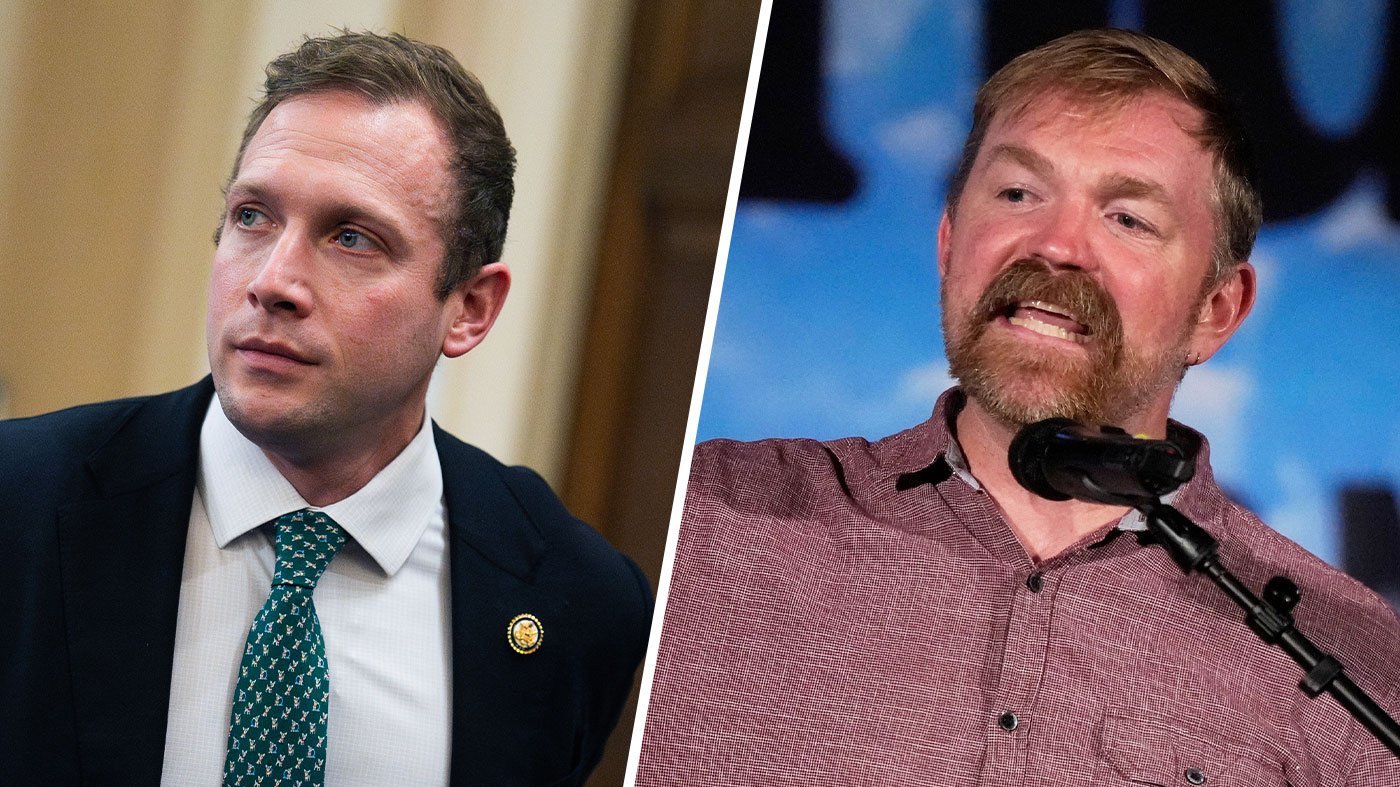
When Maine Democrats replaced a state Senate nominee amid credible accusations, they proved that a party can police its own without waiting for voters to do it in November. The Republican leadership in Ohio now faces a comparable moment with Rep. Max Miller, and so far, they have declined to act.
Miller, a two-term congressman from Ohio's 7th District, is seeking reelection in a seat that Donald Trump carried by 11 points. But the race has turned competitive after his ex-wife, Emily Moreno, filed court documents and police reports alleging that Miller assaulted her, threw scalding water on her, and threatened her with a gun. The couple's toddler daughter reportedly suffered a fractured collarbone and bruising while in his care. These allegations have been public for months, yet Miller has remained in the race, with the quiet backing of a party that spent the summer lecturing Democrats about character.
The pressure intensified when Emily Moreno's father, Republican Sen. Bernie Moreno of Ohio, publicly stated that Miller should not serve in Congress. That is a rare rebuke from a sitting senator of his own party, and it came after Miller posted a video defending himself. The senator's words carry weight, but they have not yet moved the state party to act.
This is not just a family dispute, though some have tried to frame it that way. Miller is a public official who votes on behalf of hundreds of thousands of constituents. The allegations, made by two women years apart, go to the heart of his fitness for office. A former girlfriend, Stephanie Grisham, who served as White House press secretary, has also accused him of physical abuse. A 2021 investigation by Politico, based on interviews with more than 60 people, reported that Miller pushed a young woman down a flight of stairs in high school. Miller denies all of it, insisting he would be in jail if any of it were true.
The deeper issue is a pattern of impunity. The Politico investigation found that Miller, from a wealthy and connected family, repeatedly escaped consequences for his behavior. Classmates and teammates described a young man who got into trouble but never faced accountability. That pattern has continued into his political career, with Trump's endorsement coming despite the allegations being a matter of public record.
Ohio's deadline to trigger a special election to replace Miller is Wednesday. If he withdraws after that, Republicans could still name a replacement through a party committee by Aug. 10. That is the window the state party has to follow Maine's example. Maine acted under a tight deadline, and it did so decisively. Ohio Republicans have had months to address this; now they have days.
Some will argue that this is a private matter for the courts, or that custody disputes should not be litigated in the press. But such arguments were notably absent when Democrats faced a similar situation. The same voices that demanded immediate action against a Democratic nominee are now urging patience and due process for Miller. The standard should not bend to political convenience.
Miller's seat was once safe, but it is now competitive. Every week he stays in the race, weakened by these allegations, is a week that helps Democrats. But this is not about partisan advantage; it is about whether a party is willing to hold its own members accountable. Ohio Republicans have a choice: they can follow Maine's example and put a credible candidate forward, or they can let Miller remain, and let voters decide in November. The demands for Miller's resignation are growing, and the anxiety within the GOP is palpable. The party's credibility is on the line.