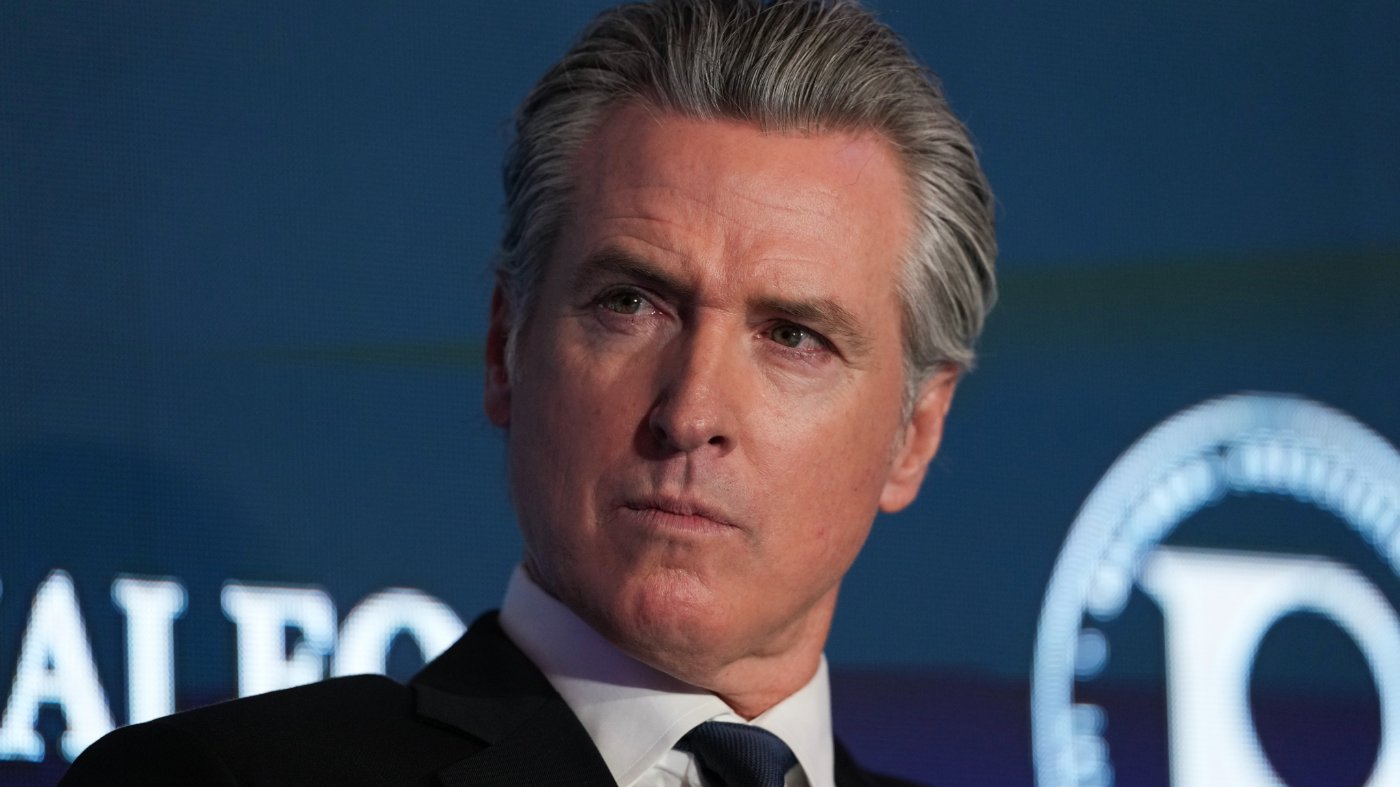
Sex and politics have always made for combustible chemistry. Sometimes, a revealed affair ends a career; other times, it becomes a footnote in a politician's biography. The latest test case is California Governor Gavin Newsom, who is spending his final year in office while a two-decade-old extramarital relationship is dragged back into the spotlight.
Newsom's situation is hardly unprecedented. From King David's multiple wives to Grover Cleveland's 1884 campaign, where Republicans chanted "Ma, ma, where's my Pa?" only to see Democrats retort "Gone to the White House, ha, ha, ha," American political history is littered with sexual scandals. Warren Harding's mistress, Nan Britton, detailed their White House encounters in a memoir, and DNA later confirmed her daughter was his. John F. Kennedy's affairs were so notorious that British Prime Minister Harold Macmillan quoted him as saying, "If I don't have a lay for three days, I get a headache."
Even the judiciary has not been spared. Justice Brett Kavanaugh faced a brutal confirmation hearing over allegations of sexual assault in high school. And in recent cycles, Democrats and Republicans have traded accusations of misconduct, as seen in Maine's Senate race, where nominee Graham Platner stepped down over sexual misconduct allegations, while Texas Democrats hammered Republican Ken Paxton for adultery.
Now, Newsom is the focus. In a Vanity Fair essay, Ruby Rippey, a former aide, recounts her affair with Newsom, whom she describes as "often described as Kennedy-esque." At the time, Newsom was single and serving as San Francisco's mayor. Rippey was married to Alex Tourk, a close friend and Newsom's reelection campaign manager. The affair lasted months, with Rippey writing, "I always go to him — his penthouse in Russian Hill, a private back room at a North Beach bar, the W Hotel in Los Angeles."
Rippey's silence for nearly two decades, she says, was partly due to advice from Kamala Harris, then San Francisco's district attorney. The Vanity Fair subhead reads: "In the wreckage of the scandal, Ruby Rippey faced her demons but lost her voice. Twenty years later, she is ready to share her story."
Newsom's team has responded with a statement: "The governor acknowledged his role and publicly apologized for his conduct nearly two decades ago when he was still mayor. In the time since, he met his wife, started a family and has focused on serving Californians." Rippey, for now, has declined interviews, retaining the same PR strategist who represented Monica Lewinsky and Kristen Cabot, the woman caught on a kiss cam with her married boss at a Coldplay concert.
The political calculation is delicate. Newsom has been a vocal critic of President Trump, recently slamming his election speech as a "tin foil" rant and blaming Trump's California aversion for vetoing a bipartisan housing bill. His crime record, meanwhile, has been a talking point, with defenders arguing he has shown action, not leniency. But the affair's revival could complicate his narrative as he weighs a presidential run.
Does infidelity still matter to voters? The question is as old as the republic. As the Gallup poll suggests, Americans are increasingly anxious about political divisions, and personal morality may be seen as a proxy for trustworthiness. Yet, as history shows, many philanderers have survived — and even thrived — in office.
For Newsom, the affair is a reminder that private conduct can become public liability. Whether it derails his ambitions remains to be seen, but the story is far from over. As he prepares to leave Sacramento, the ghost of 2007 may follow him to the campaign trail.