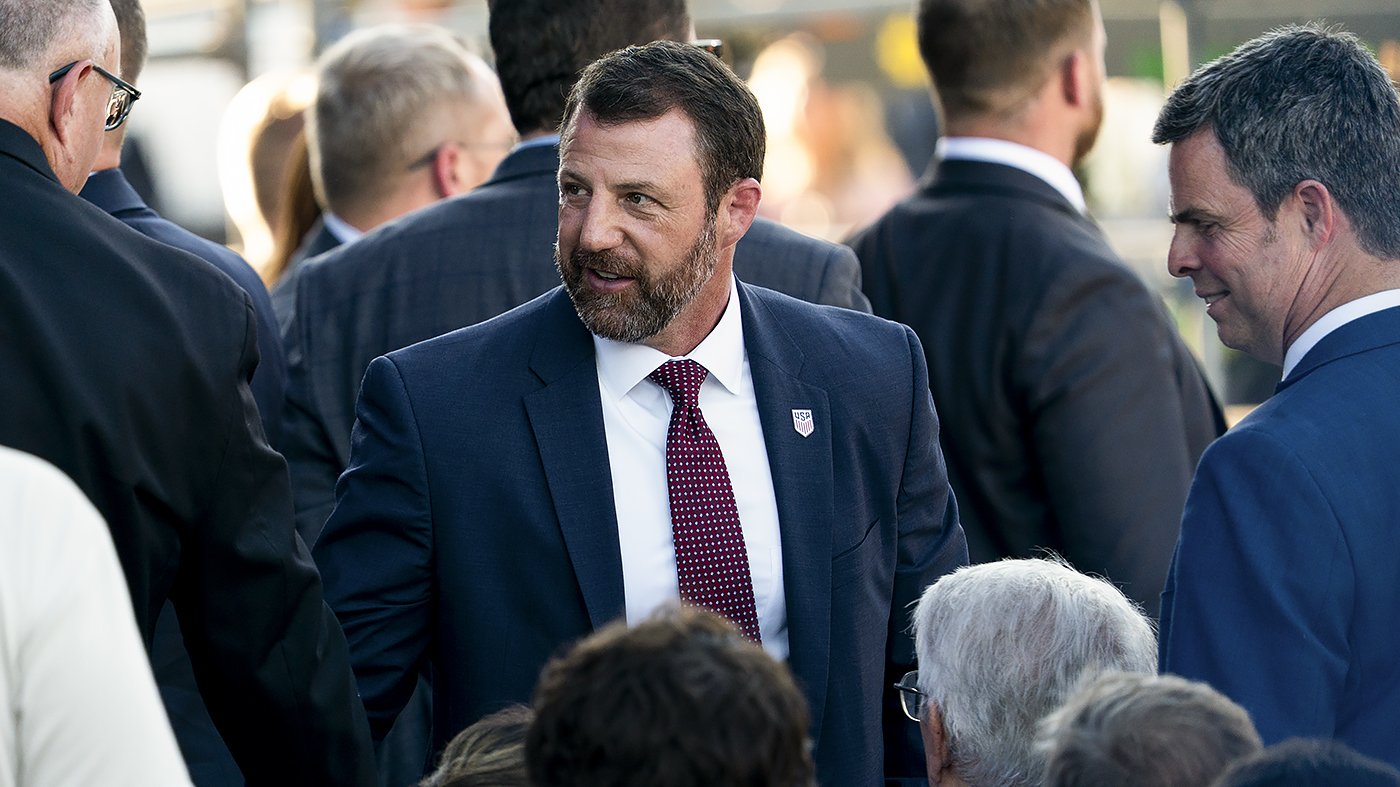
Homeland Security Secretary Markwayne Mullin has sparked a new political firestorm by linking the release of federal counterterrorism grant money to a slate of election security demands. The funding, traditionally funneled through the Federal Emergency Management Agency (FEMA) to help states prevent terror attacks, now comes with strings attached that critics say are a thinly veiled attempt to impose voter restrictions.
In June, FEMA quietly announced that states must adopt five specific election security measures—including using a controversial database to verify voters' citizenship status—or risk losing 20 percent of their grant money. The move has drawn sharp condemnation from Democratic governors and election officials, who argue it politicizes security funding and threatens public safety.
“Election security is national security and protecting the Nation’s critical infrastructure is a top priority,” Mullin said in a statement. “Under President Trump’s leadership, we are taking decisive action to protect election systems from threats like foreign interference, insider threats, and cyberattacks. These new requirements for homeland security grant recipients will preserve election integrity and ensure that Americans can trust the results.”
Critics see the requirements as a backdoor attempt to force states to check citizenship status, something Trump has also tried via executive action. The database in question—U.S. Citizenship and Immigration Services’ Systematic Alien Verification for Entitlements (SAVE)—is typically used to verify eligibility for programs like food stamps. But it has been criticized for being outdated and containing faulty information.
Sen. Gary Peters (D-Mich.), the top Democrat on the Senate Homeland Security and Governmental Affairs Committee, led a letter expressing concerns about the database’s accuracy. “DHS appears to have rolled out the overhauled SAVE program without regard for accuracy or data security, and has only taken token, retroactive steps in the face of litigation to attempt a minimal level of compliance with federal privacy and notice requirements,” Peters wrote.
Other new requirements include using SAVE to verify poll workers’ citizenship and conducting a manual audit of at least 5 percent of votes cast. The funding at stake comes from FEMA’s State Homeland Security Program, the Urban Area Security Initiative, and Operation Stonegarden—programs created after 9/11 to prevent terror attacks and, in the case of Stonegarden, to bolster border security.
Blue states have blasted the changes. “This is a shakedown, not ‘security.’ Once again, the Trump Administration is trying to impose illegal conditions on funding already appropriated by Congress,” said Brandon Richards, a spokesperson for California Gov. Gavin Newsom. “Trump attempting something illegal is not news, it’s just another day ending in ‘y.’ And in this latest sick attempt, Trump is putting the safety of Americans at risk.”
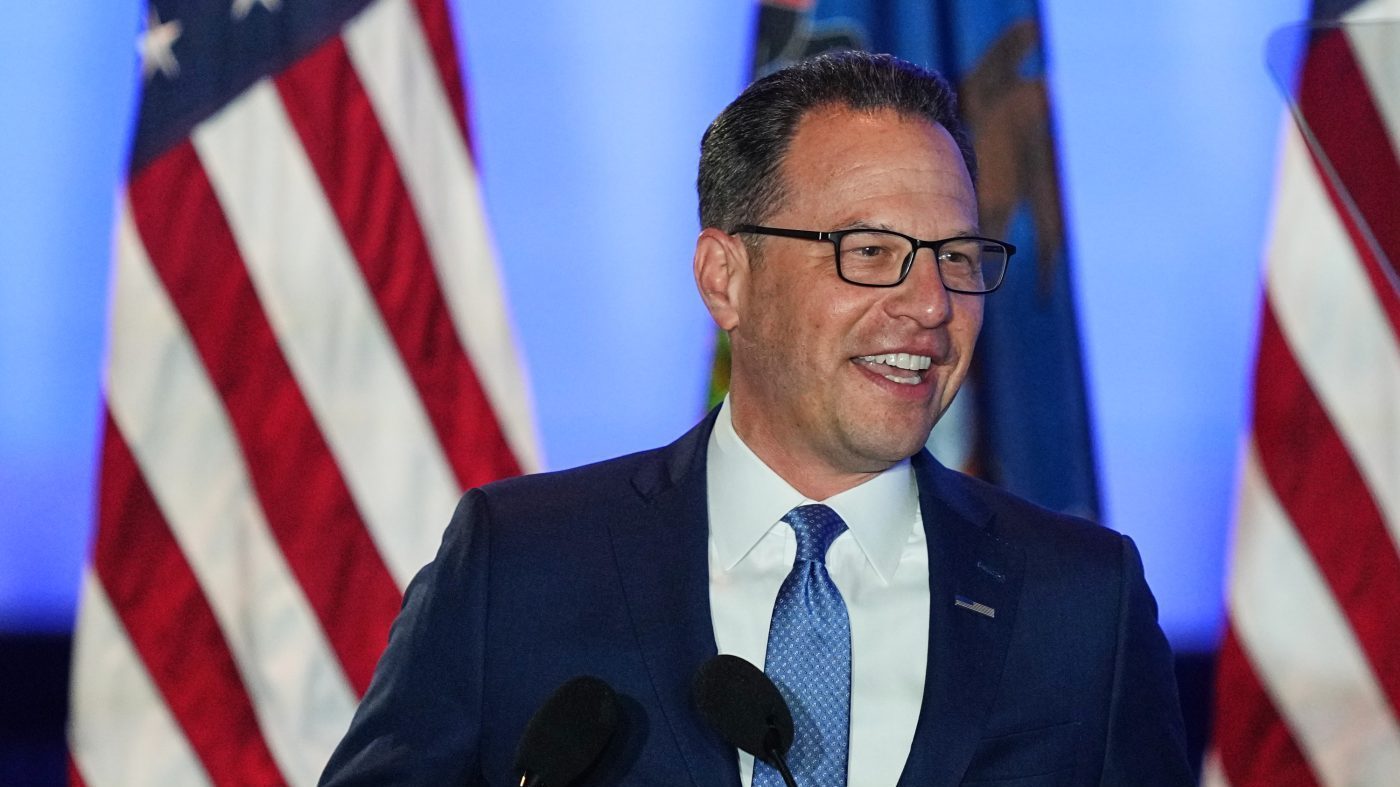
Colorado officials echoed the sentiment. “Colorado has safe and secure elections that are a model for the nation, and Coloradans know our votes are accurately counted,” said Eric Maruyama, spokesperson for Gov. Jared Polis. “The administration’s attempt to force states to adopt costly changes in order to receive Homeland Security Grant Program funding would damage public safety and make it harder for us to exercise our right to vote. We are reviewing the new terms of the grant and considering options for how to proceed.”
The controversy adds to growing concerns about the Trump administration’s politicization of security and disaster aid. A Politico report in March found that 89 percent of disaster aid requests were approved for red states, compared to just 23 percent for states with a Democratic governor and two Democratic senators. As the debate over election security intensifies, some analysts warn that the move could further erode trust in federal disaster response and voting systems alike.