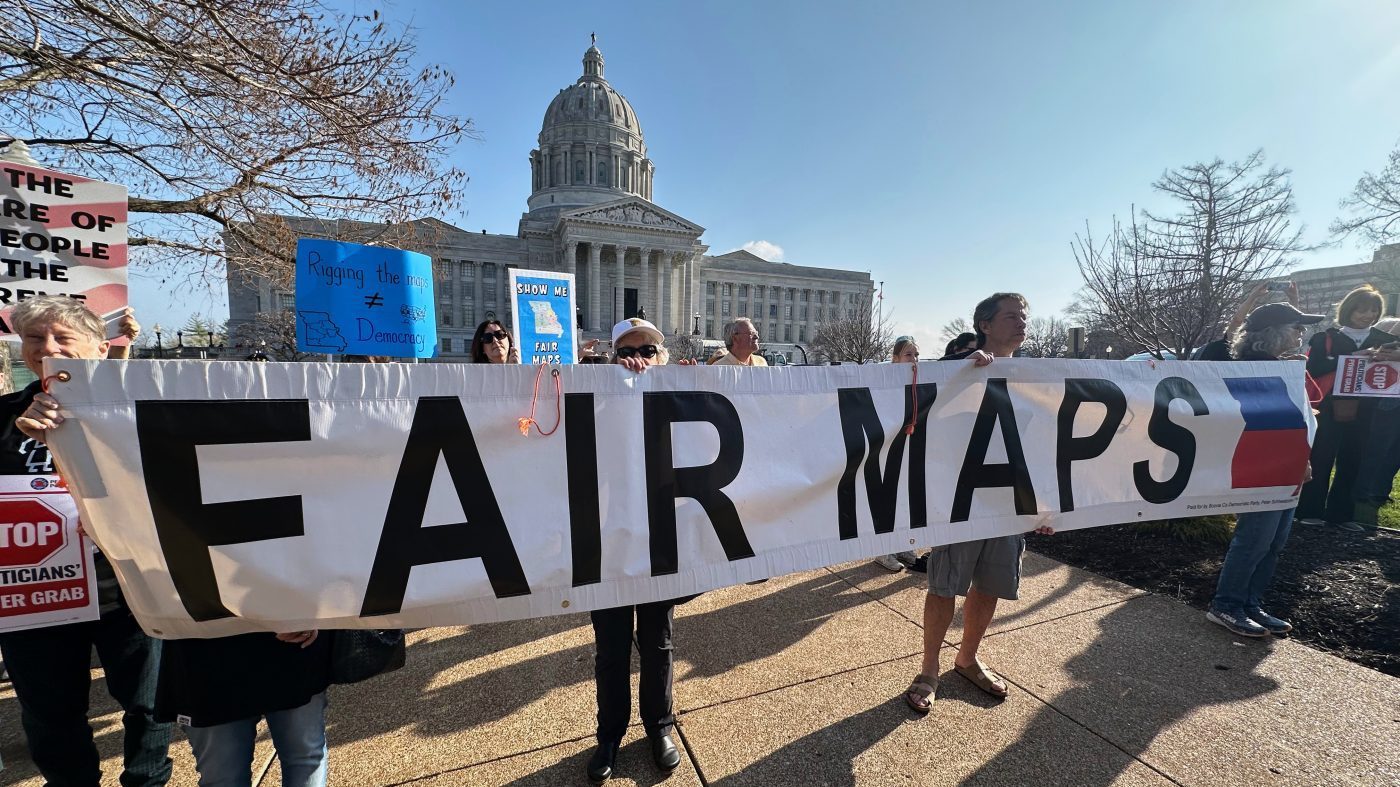
Missouri voters on Tuesday rejected a Republican-backed ballot measure that would have redrawn the state's congressional map to give the GOP a stronger advantage, according to projections from Decision Desk HQ. The measure, known as Proposition A, failed by a wide margin, with more than 60 percent of voters opposing it as of early Wednesday morning with 15 percent of the vote counted.
The proposal would have allowed state lawmakers to pass a new set of congressional lines before the next U.S. census, specifically targeting the Kansas City-based district represented by Democrat Emanuel Cleaver. The new map would have weakened Cleaver's district and created a new pickup opportunity for Republicans, potentially shifting Missouri's congressional delegation from its current 6-2 Republican edge to a 7-1 GOP majority after the 2028 elections. Under the rejected plan, only Rep. Wesley Bell's St. Louis-area seat would have remained Democratic.

The defeat of Proposition A means Missouri will continue using the congressional districts that have been in place for recent election cycles, preserving the existing 6-2 split. This outcome is a significant victory for Democrats, who had campaigned vigorously against the measure, and a setback for national Republican efforts to capitalize on redistricting ahead of the 2026 midterms.
Missouri has been at the center of a national redistricting fight, with President Trump and Republican leaders encouraging GOP-controlled states like Texas and Missouri to redraw maps to create new pickup opportunities as Republicans brace for a competitive electoral environment. Democrats in other states have pursued similar strategies, though they have only succeeded in creating new maps in California ahead of the 2026 elections.
The battle in Missouri was particularly contentious, marked by litigation over whether the new map could be enacted in time for November. A coalition of opponents worked to put the congressional lines to a referendum, stalling their immediate implementation. The state's high court, which has a majority of appointees by Republican governors, ruled in September that the GOP-favorable map could not take effect until voters weighed in on the measure in November. The case was appealed to the U.S. Supreme Court multiple times, but the Court declined to intervene, leaving the decision to Missouri voters.
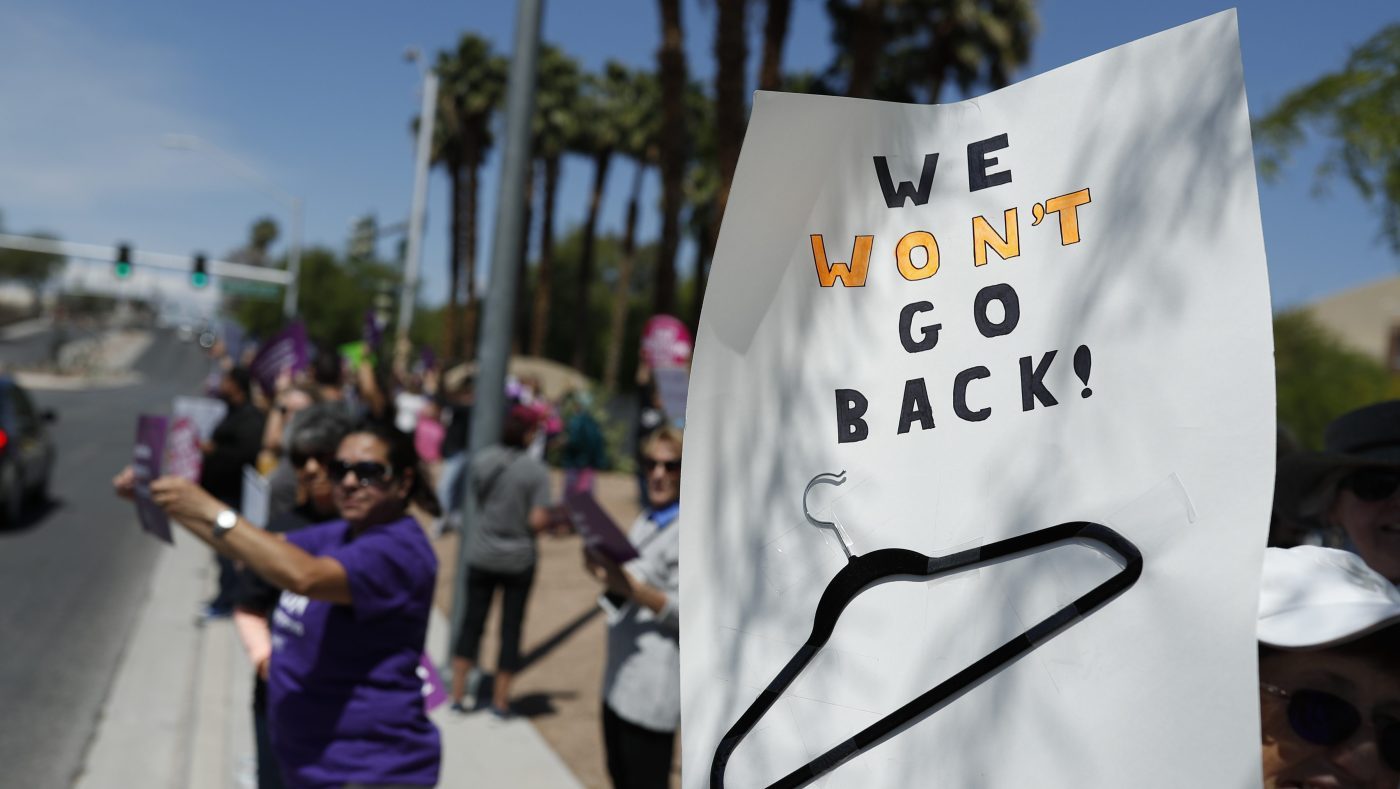
The rejection of Proposition A is a notable example of voters pushing back against partisan redistricting efforts. It follows a trend seen in other states where ballot measures addressing electoral and redistricting issues have been decided by the public. For instance, Massachusetts voters rejected a plan to scrap party primaries, and Missouri voters also rejected a GOP effort to reinstate an abortion ban, indicating a broader pattern of voters rejecting certain Republican-backed measures.
With the measure defeated, Democrats retain a foothold in Missouri's congressional delegation, and the state's political landscape remains competitive for the upcoming cycles. Republicans, however, may continue to pursue redistricting changes in other states, keeping the issue at the forefront of national politics.