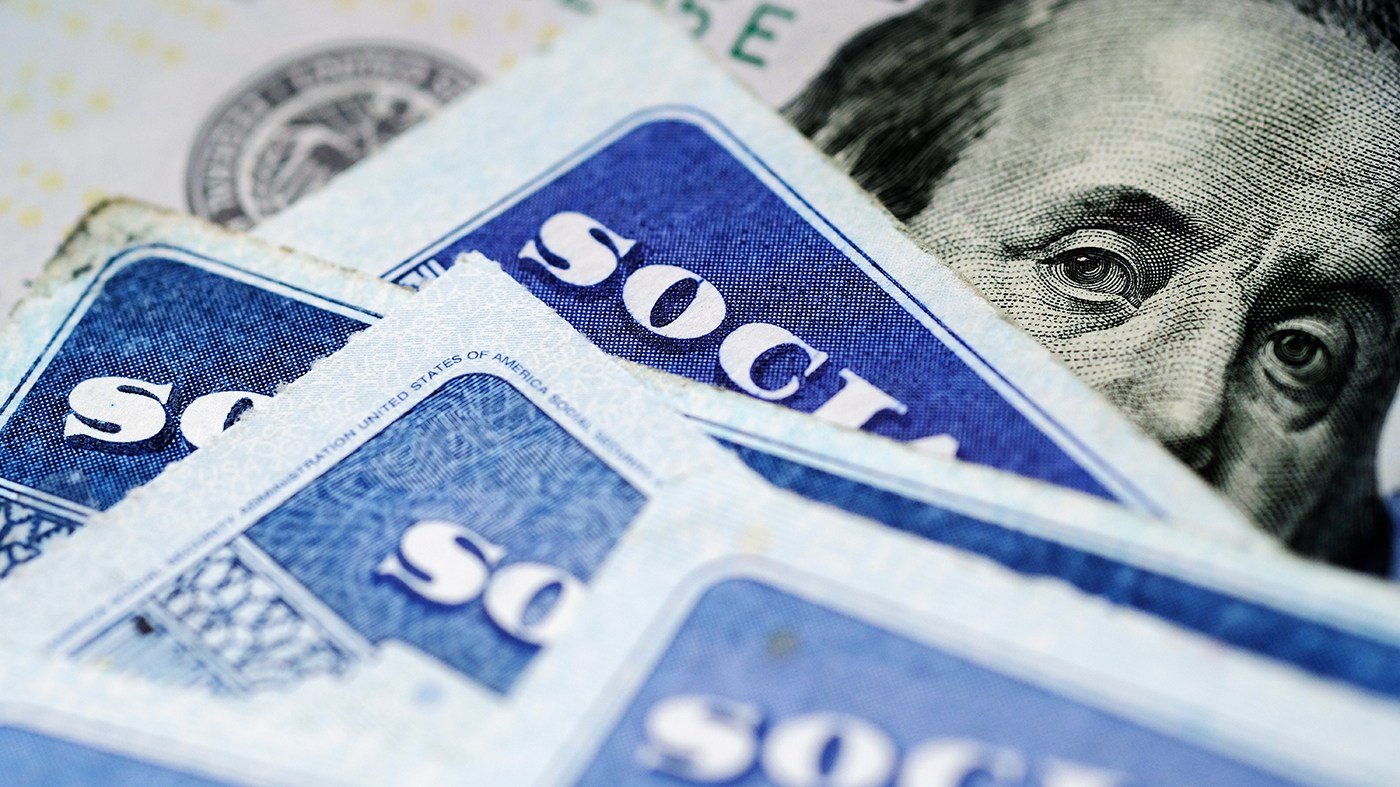
In a landmark but contentious resolution, Meta has agreed to pay up to $17.1 billion to settle a sweeping lawsuit brought by 47 states, the District of Columbia, and U.S. territories over the addictive design of its social media platforms. The deal, announced on August 26, just eight days into what was expected to be a blockbuster trial, also includes a separate $1 billion settlement with Texas. While touted as the largest state consumer protection settlement outside of Big Tobacco, critics argue it represents a significant missed opportunity to fundamentally reform the company's business practices.
The states had originally sought approximately $200 billion in damages, with Meta's own lawyers acknowledging potential exposure of up to $1.4 trillion. The case was poised to set a precedent for how social media companies are held accountable for the psychological harms they allegedly inflict on young users. Instead, the settlement amounts to less than a tenth of the original demand, and Meta's stock actually rose 4% on the news, adding roughly $59 billion to its market value in a single day—far exceeding the total settlement amount.

A Case Built on Strong Evidence
The trial had opened with powerful testimony from California Deputy Attorney General Megan O'Neill, who accused Meta of designing its platforms to "hook the users, hold them for as long as they can, harvest their data, and hide the truth from the public." She emphasized that Meta's business model "worked especially well for kids." The star witness was Arturo Bejar, a former Meta safety engineer and whistleblower, who testified that the company employed a "don't ask, don't tell" strategy regarding underage users. Bejar's 2021 email to CEO Mark Zuckerberg revealed that over half of teens surveyed had a harmful experience on Instagram in the prior week—a message that went unanswered.
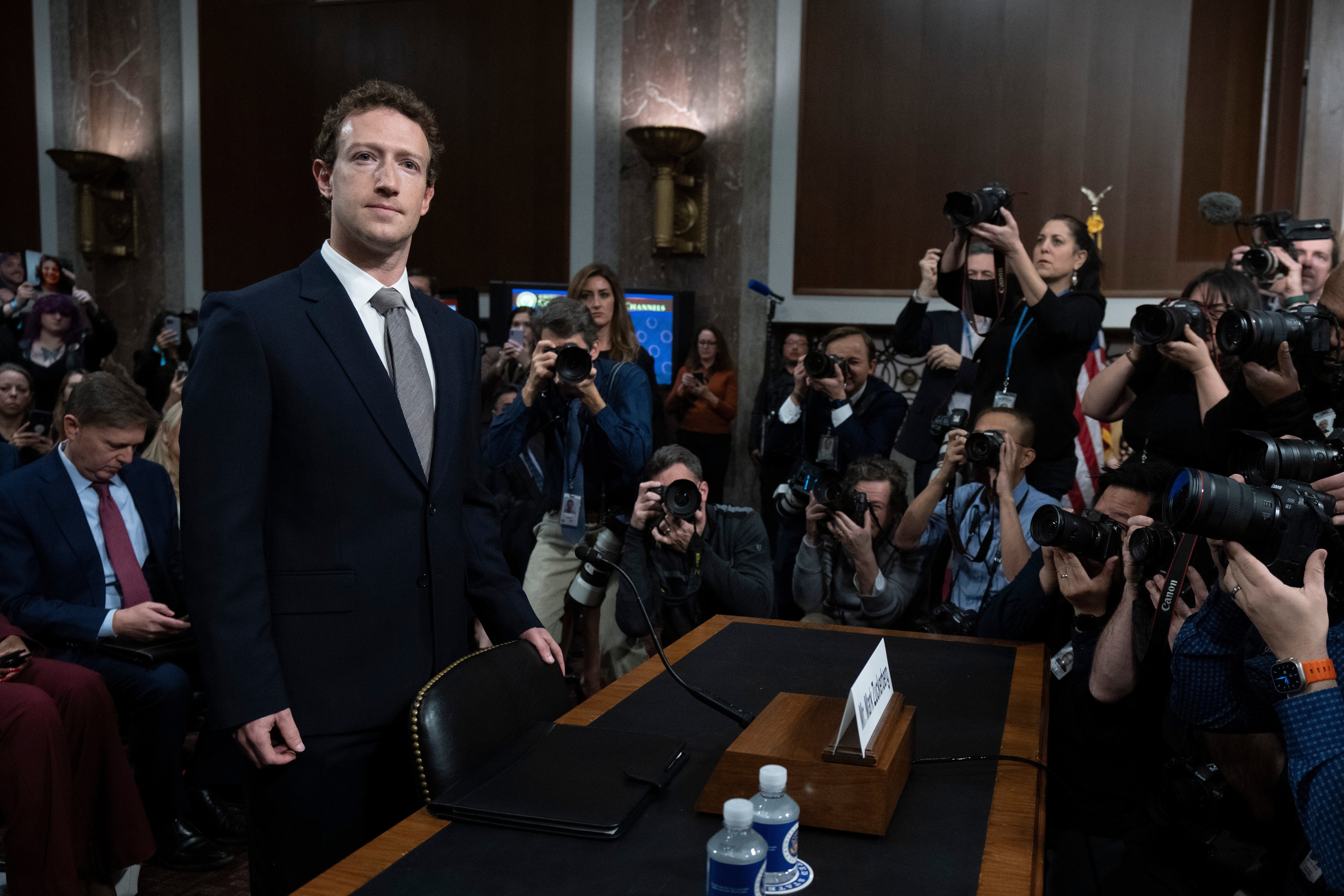
The settlement came just before Zuckerberg was scheduled to take the stand, a timing that many interpret as a sign of the case's strength. "The company settled before Zuckerberg was slated to testify, which speaks volumes," noted one legal analyst. The comparison to the 1998 Big Tobacco settlement is inevitable, where cigarette makers paid $206 billion and, crucially, ended marketing to kids. That deal led to a dramatic drop in teen smoking rates, from 36% in 1997 to just 1.4% today. However, the tobacco settlement did not alter the addictive nature of cigarettes, and critics fear a similar outcome here.
What the Settlement Requires—and What It Omits
The terms for users under 18 include a two-hour daily limit, a ban on access between midnight and 6 a.m., no push notifications during school hours or overnight, and the removal of public "like" counts and beauty filters. Parents can override the time and overnight restrictions, and direct messages are exempt from all these measures. However, two glaring gaps remain. First, algorithmically manipulated newsfeeds—the core of Meta's engagement engine—are still in place for minors, with only an opt-out option that is rarely chosen. This means the system that predicts and serves content to keep kids scrolling remains fully operational. Second, the requirement to remove users under 13 relies on "robust" age assurance, but the method is left entirely to Meta, raising questions about its effectiveness.
Florida Attorney General James Uthmeier, who refused to join the settlement, called it "peanuts compared to the profound harms Meta's profit-driven addictive features inflicted on kids." His sentiment echoes that of many child safety advocates. The settlement also draws parallels to the 2018 Cambridge Analytica case, where Meta (then Facebook) faced a potential $2 trillion fine but paid only $5 billion, and its stock rose immediately upon the announcement. "When a company's stock goes up the day a penalty is announced, something is amiss," said one observer.
Implications for the Wider Tech Industry
The deal's reach extends beyond Meta. California Attorney General Rob Bonta said Meta is simply "first in line," as YouTube, TikTok, and Snap face similar lawsuits. Notably, $5 billion of Meta's payout is contingent on YouTube and TikTok adopting the same restrictions, effectively turning the attorneys general into enforcers for Meta against its competitors. This could prevent kids from migrating to other platforms, but it also raises concerns about the settlement's true impact. As one former social media architect wrote, "This settlement was a chance to take the reins back. It goes partway, but it stops short." The outcome leaves many questioning whether the deal is a genuine reform or merely a cost of doing business for a company that generates roughly $200 billion in annual revenue.