For months, a chorus of media voices insisted President Joe Biden was mentally sharp, dismissing concerns as partisan attacks. Now, with Biden out of the race, some of the same voices are raising alarms about President Donald Trump's cognitive state—a shift critics say exposes a pattern of political convenience rather than genuine concern.
Jonathan Capehart of MSNBC recently argued that the media should be scrutinizing Trump's mental acuity, asking, "Why are we not talking about his mental acuity when we... more people should be talking about it in the way they were giving President Biden hell for walking with a stiff gait?"
The reference to a "stiff gait" is a striking understatement of Biden's documented struggles. Special Counsel Robert Hur's report described Biden as an "elderly man with a poor memory," and public appearances often featured the president appearing confused or disoriented. Critics note that Capehart, who hosted Biden for friendly interviews, was part of a broader effort to portray Biden as vigorous, a characterization that proved untenable.
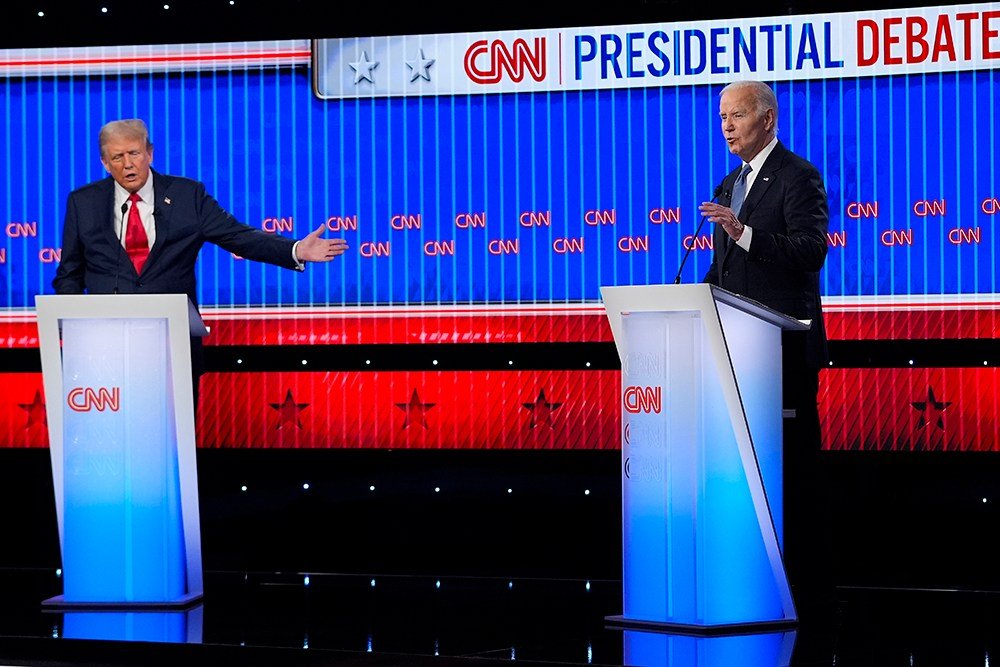
Joe Scarborough, also of MSNBC, has similarly shifted his tone. In 2024, he famously declared that Biden was "far beyond cogent" and "the best Biden ever," only to see Biden's debate performance force his withdrawal weeks later. Now Scarborough suggests Trump is showing "diminished capacities" as he approaches 80, while also dismissing claims of dementia as "ridiculous."
The pattern extends to former CNN anchor Jim Acosta and ex-CNBC correspondent John Harwood. Acosta, who once promoted the White House's "cheap fakes" narrative to downplay Biden's decline, now asserts there is "no question... about his cognitive decline" regarding Trump. Harwood, who insisted after a rambling Biden press conference that "he can do the job," now points to Trump's physical and mental state as a "very dangerous moment."
Critics argue these reversals reveal a media establishment more invested in partisan outcomes than truth. The debate over Biden's fitness ultimately forced Democrats to confront reality, but the same scrutiny is now selectively applied to Trump. Meanwhile, outlets like Stars and Stripes face political pressure, raising questions about media independence.
As the 2026 midterms approach, the media's handling of presidential fitness will likely remain a flashpoint. For now, the shift in tone from those who once shielded Biden has done little to restore credibility. Instead, it underscores a broader debate over what constitutes presidential strength—and whether the press can be trusted to assess it fairly.