On Nov. 13, the U.S. lost its measles elimination status with the Pan American Health Organization, a development that health experts say signals a deeper public health crisis. The announcement came on the same day as a massive Federal Aviation Administration communication failure that disrupted thousands of flights, prompting immediate calls for accountability from federal officials. Yet, as measles cases surge and community immunity erodes, there has been little corresponding demand for answers on the public health front.
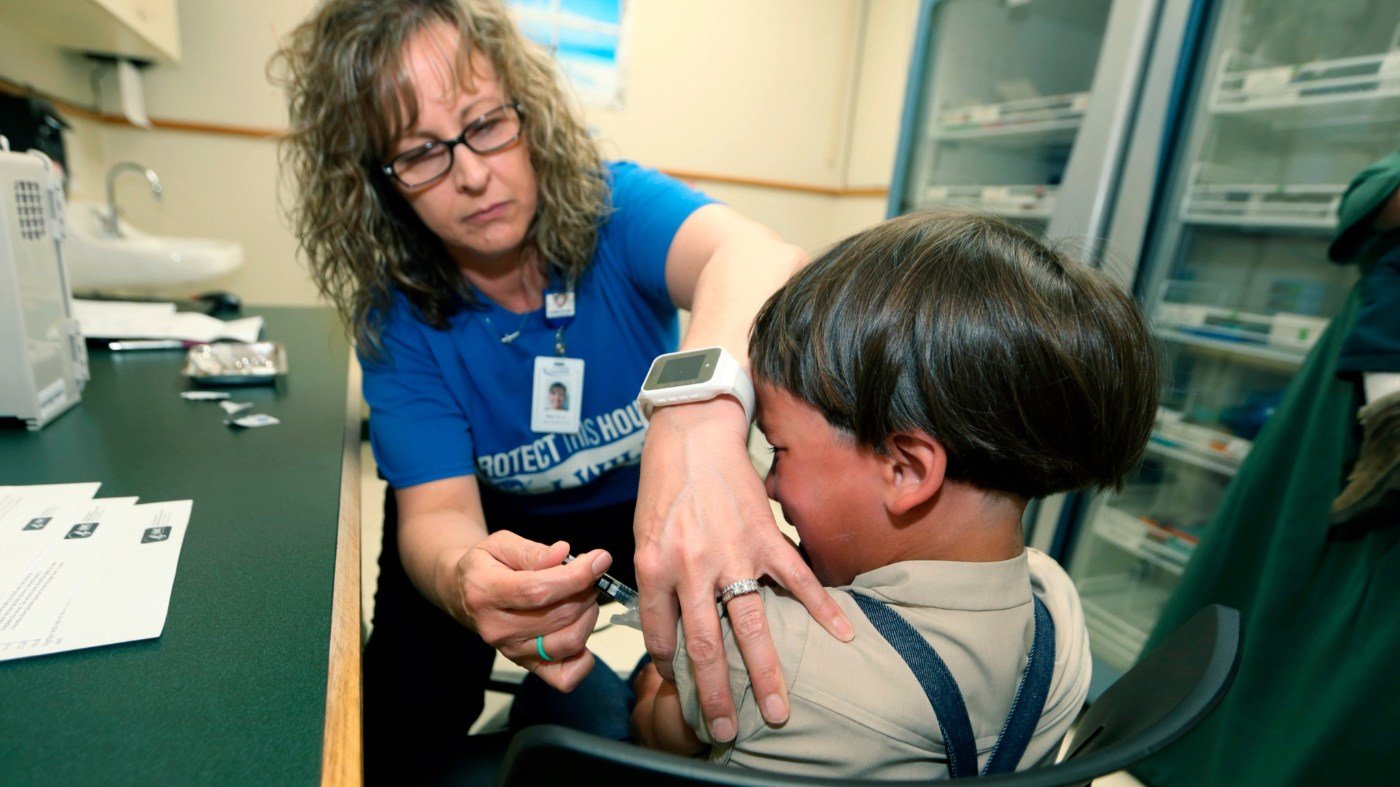
The loss of elimination status—meaning measles is no longer considered continuously absent for 12 months—reflects a years-long erosion of vaccination coverage. The anti-vaccine movement, fueled by a debunked and retracted study falsely linking the measles vaccine to autism, has gained traction. Despite overwhelming scientific evidence to the contrary, these claims persist, driving vaccine hesitancy and exemptions. Measles is so contagious that 95% of the population must be vaccinated to maintain herd immunity. Current rates have dipped below that threshold in many communities, allowing outbreaks to spread.
Public health experts warn of dire consequences. A drop in U.S. vaccination rates to 90% could lead to 11 million measles cases over the next two decades, with billions in economic costs. The current outbreak has already caused hundreds of hospitalizations and at least one child's death in Virginia, exacerbating tensions between federal and state officials over data sharing. The measles death in Virginia has highlighted the real-world toll of policy failures.
The COVID-19 pandemic proved to be a turning point for the anti-vaccine movement. Although the COVID-19 vaccine was developed under the Trump administration, its rollout became politicized under President Biden. Republicans, particularly after the contentious 2020 election, opposed vaccine mandates, framing them as government overreach. This politicization led to stark disparities in outcomes—unvaccinated Republicans died of COVID-19 at higher rates than vaccinated Democrats, a phenomenon dubbed "Red COVID."
As the pandemic wore on, opposition to COVID vaccines spilled over into routine childhood immunizations. State legislatures began introducing bills to restrict vaccine requirements, and support for childhood vaccination has only recently risen amid the worst measles year in decades. The anti-vaccine movement found a powerful ally in Robert F. Kennedy Jr., who, despite having no medical background, became secretary of Health and Human Services after aligning with President Trump. Kennedy has promoted vitamin treatments over vaccination and has been a vocal skeptic of vaccine safety.
In early 2024, when a major measles outbreak hit Texas, Kennedy did not urge vaccination but instead recommended vitamin A. This stance left parents confused and increasingly willing to claim religious or personal exemptions. Some states made it easier to obtain exemptions, further driving down vaccination rates. The result is a public health system under siege, with the invisible shield of herd immunity breached.
Despite the partisan divide, polls show that a majority of Americans—both Republicans and Democrats—support requiring standard childhood vaccines for school entry. Yet a small minority of unvaccinated individuals can still ignite outbreaks, as measles is highly contagious. The senator demanding an HHS plan to restore elimination status underscores the urgency of the situation.
The contrast between the response to the FAA failures and the measles crisis is stark. The flight disruptions caused inconvenience but no deaths; measles has caused illness, hospitalizations, and fatalities. As Congress prepares to grill FAA officials, there is little similar scrutiny of the administration's handling of the measles outbreak. Dr. Scott A. Rivkees, a pediatrician and former Florida surgeon general, argues that this disparity reveals a troubling lack of accountability for public health decisions. "We need to understand how we ended up in this growing American tragedy," he wrote, "for which losing vaccine elimination status is a harbinger of worse to come."