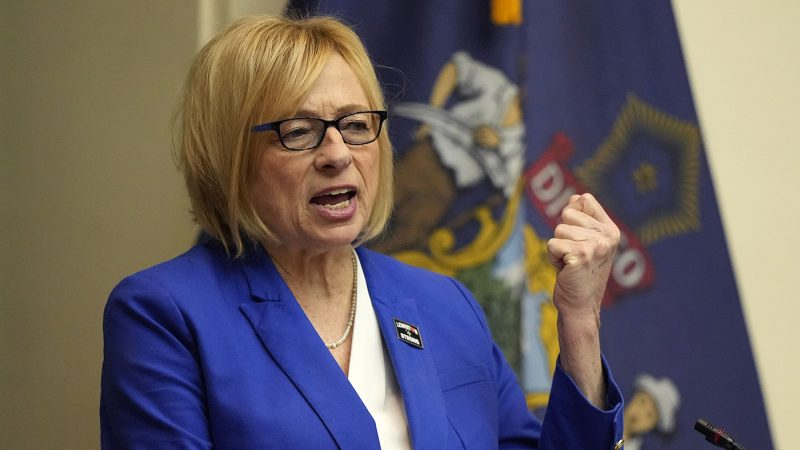
Maine’s next governor will be decided in a November clash between Democrat Hannah Pingree and Republican Bobby Charles, after both secured their party’s nominations through ranked-choice voting, according to Decision Desk HQ. The race to succeed retiring Gov. Janet Mills (D) drew five Democrats and eight Republicans, but the final match-up reflects a state known for swing-voter unpredictability.
Pingree, daughter of U.S. Rep. Chellie Pingree (D-Maine) and a former speaker of the Maine House, edged out former Maine CDC Director Nirav Shah in the Democratic primary after trailing in initial counts. Charles, who served as an assistant secretary of State under President Donald Trump, overcame a GOP field that included candidates backed by anti-establishment factions.
Ranked-choice voting, used in Maine’s primary elections, forced candidates to build coalitions. On the Democratic side, Pingree, Secretary of State Shenna Bellows, and former Senate President Troy Jackson urged voters to rank each other in the top three slots—a strategy that helped Pingree surpass Shah in later rounds. Republicans, meanwhile, saw a fractured field where Charles was not the preferred pick of several rivals, but he consolidated support as lower-tier candidates were eliminated.
The general election pits a Democrat with deep institutional ties against a Republican with federal experience. Pingree’s campaign emphasizes her legislative record and ties to Mills’ administration, while Charles is positioning himself as a disruptor focused on fiscal restraint and energy policy. The race is rated “likely Democrat” by the nonpartisan Cook Political Report, but Maine’s history of electing independents and flipping between parties—Republican Paul LePage served two terms before Mills—keeps the contest competitive.
The governor’s race is not the only high-stakes contest in Maine this fall. Sen. Susan Collins (R) faces a challenge from Democratic oyster farmer Graham Platner, who has been dogged by negative headlines and controversy. The Senate race has drawn national attention, with Platner’s scandals testing Democratic tolerance in a state where Collins has survived tough re-elections before.
Maine’s electoral landscape remains a puzzle. The state hasn’t voted for a Republican president since 1988, yet it has cycled through Democratic, Republican, and independent governors. Pingree and Charles will need to navigate this volatility while addressing issues like energy costs, healthcare access, and economic development. The outcome could signal broader trends for the 2026 midterms.
Both campaigns are gearing up for a costly battle. Pingree’s fundraising has been bolstered by her family name and party support, while Charles is tapping into national GOP networks. The race’s first major test will come in the fall debates, where ranked-choice voting dynamics may resurface as voters weigh second-choice preferences.