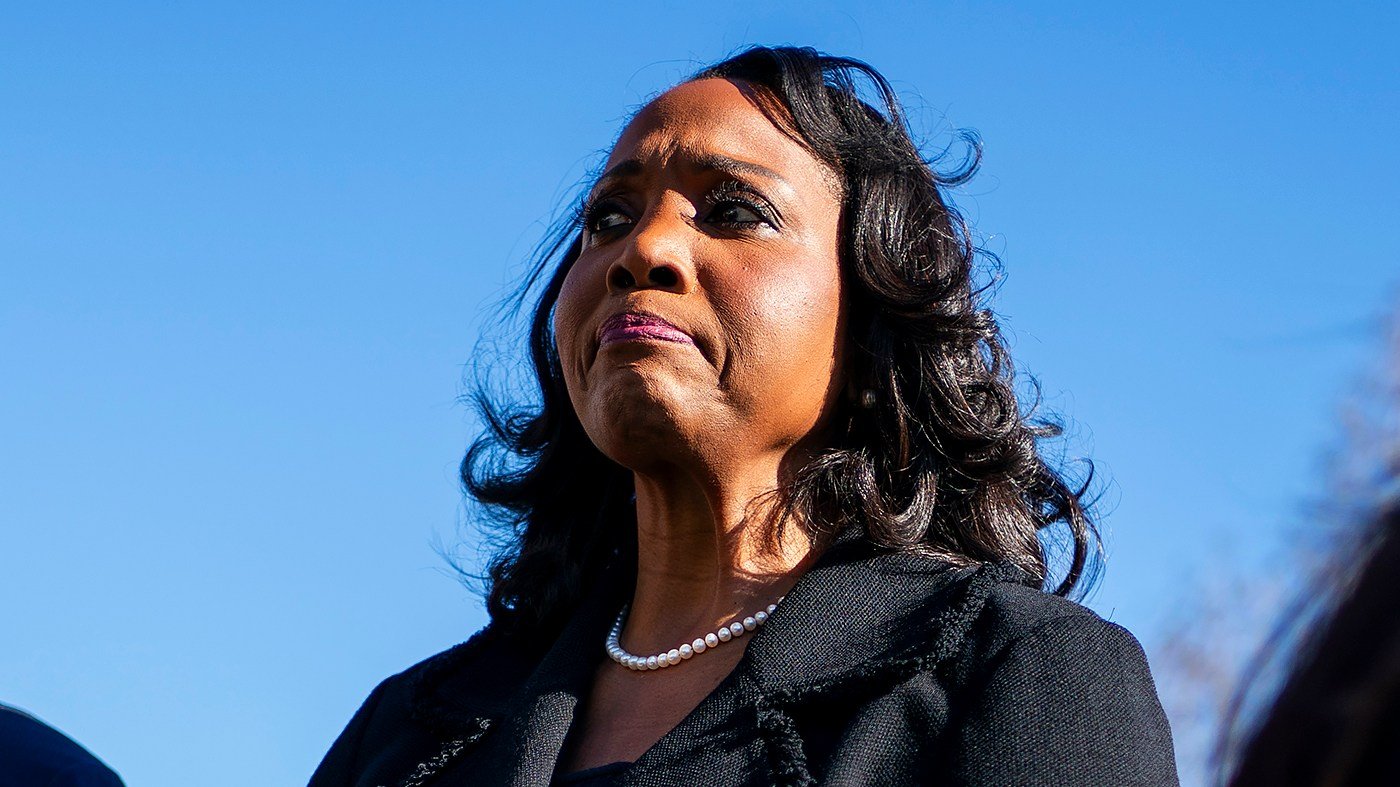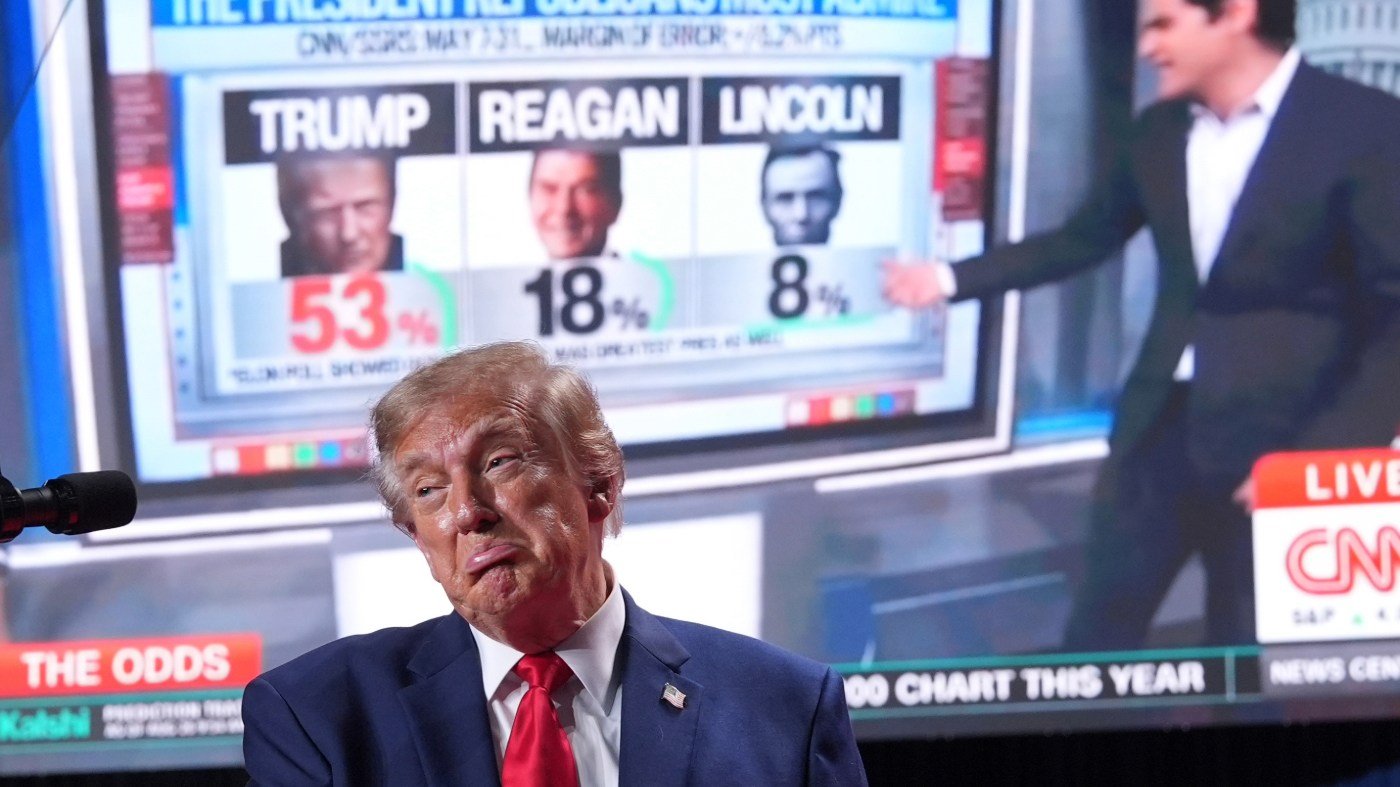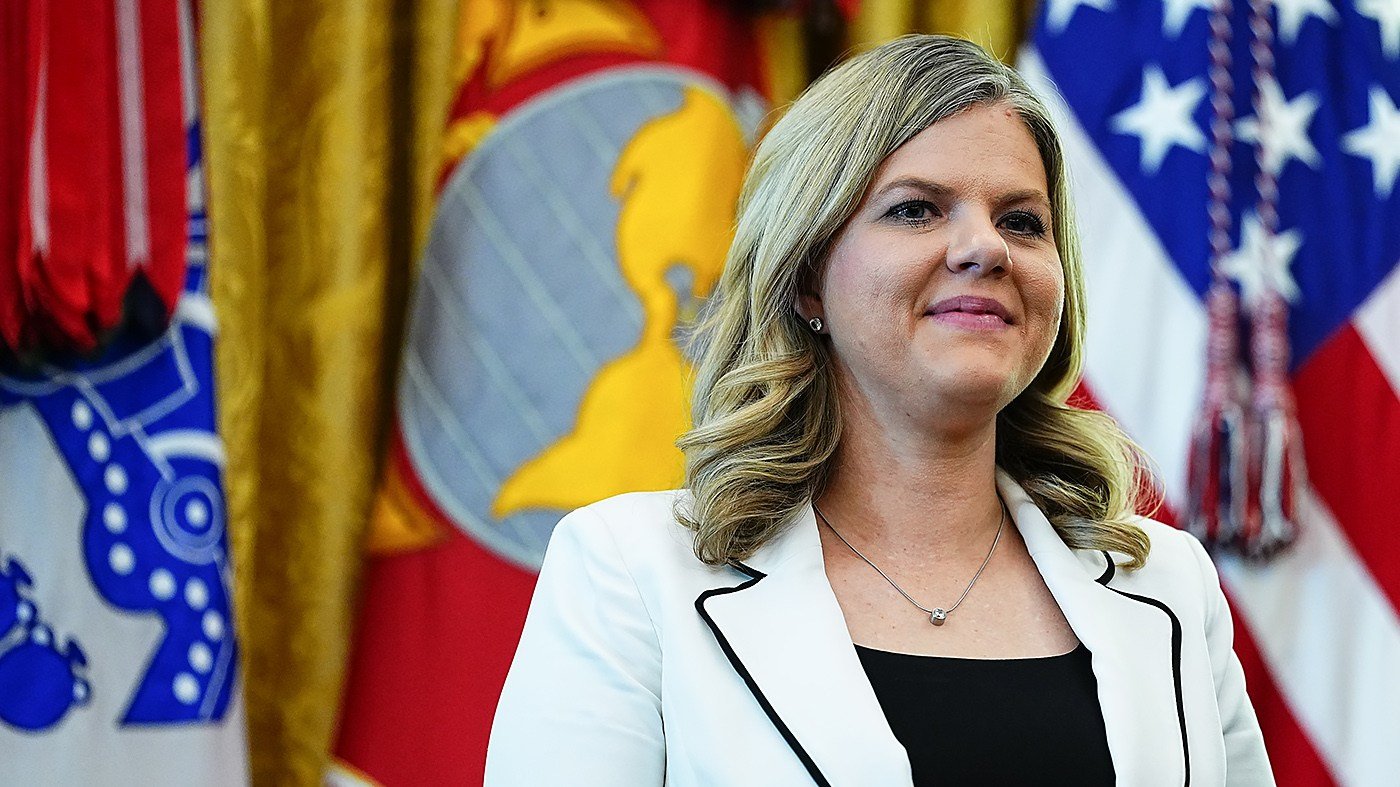
President Trump's selection of Dr. Heidi Overton to lead the Food and Drug Administration has energized anti-abortion conservatives who see her as a key ally in restricting medication abortion. But the nomination has also exposed a sharp divide within the broader conservative movement, with prominent Make America Healthy Again (MAHA) voices urging senators to reject her.
Overton, a health policy aide, has been a vocal critic of abortion and has called for tighter limits on mifepristone, the abortion pill. Her appointment signals to anti-abortion advocates that the administration remains committed to their cause, especially as the FDA reviews the drug's safety. Groups like Americans United for Life and Live Action have praised her, with Live Action's Lila Rose urging Overton to "pull the deadly abortion pill from the market."
However, MAHA activists, led by podcaster Alex Clark, are mobilizing against Overton. Clark claims Overton played a key role in an executive order boosting glyphosate herbicide production and has "EXTENSIVE personal ties to Bayer," the company behind many such herbicides. Clark called Overton "the biggest roadblock in the admin" for true MAHA initiatives, a sentiment echoed by unnamed sources in a recent Atlantic profile.
The White House pushed back forcefully. Spokesperson Kush Desai defended Overton, saying she has been instrumental in advancing MAHA goals and that accusations about her ties to Bayer are baseless. "Anyone suggesting that Heidi wrote this EO, has ties to Bayer, or isn't MAHA has no clue what they're talking about," Desai said, adding that many administration wins "would not have been possible without Heidi."
Clark remained undeterred, arguing that "MAHA moms are smarter than this" and that Health and Human Services Secretary Robert F. Kennedy Jr. is "surrounded by people who share none of his values." The clash highlights a growing friction between two passionate factions of Trump's base: the anti-abortion movement and the MAHA coalition, which often prioritizes issues like vaccine skepticism and food safety over abortion restrictions.
The split poses a political challenge for Republicans as they look toward the midterms and 2028. Both groups are influential, and alienating either could have consequences. While anti-abortion groups have largely supported the administration, some have expressed frustration over a perceived lack of progress on issues like defunding Planned Parenthood. Overton's nomination is seen as a step in that direction.
Beyond the MAHA dispute, Overton faces opposition from other quarters. Sen. Bill Cassidy (R-La.), who will chair the confirmation hearings, has "strong concerns" about her stance on childhood vaccine recommendations, a topic that has also caused tension between Cassidy and the administration. Overton stood beside Trump as he signed an executive order scaling back those recommendations, aligning her with Kennedy and the MAHA movement on this issue.
Conservative commentator Laura Loomer has also criticized Overton, alleging her involvement in the so-called "MAHA Report" from HHS, which was later found to contain thousands of fake citations. Loomer's posts have amplified doubts about Overton's credibility among some on the right.
The nomination is now set to test the administration's ability to navigate these internal divisions. As the confirmation process unfolds, the White House will need to balance the demands of anti-abortion groups, MAHA advocates, and skeptical senators like Cassidy. The outcome could shape not only the FDA's direction but also the unity of Trump's coalition heading into future elections.