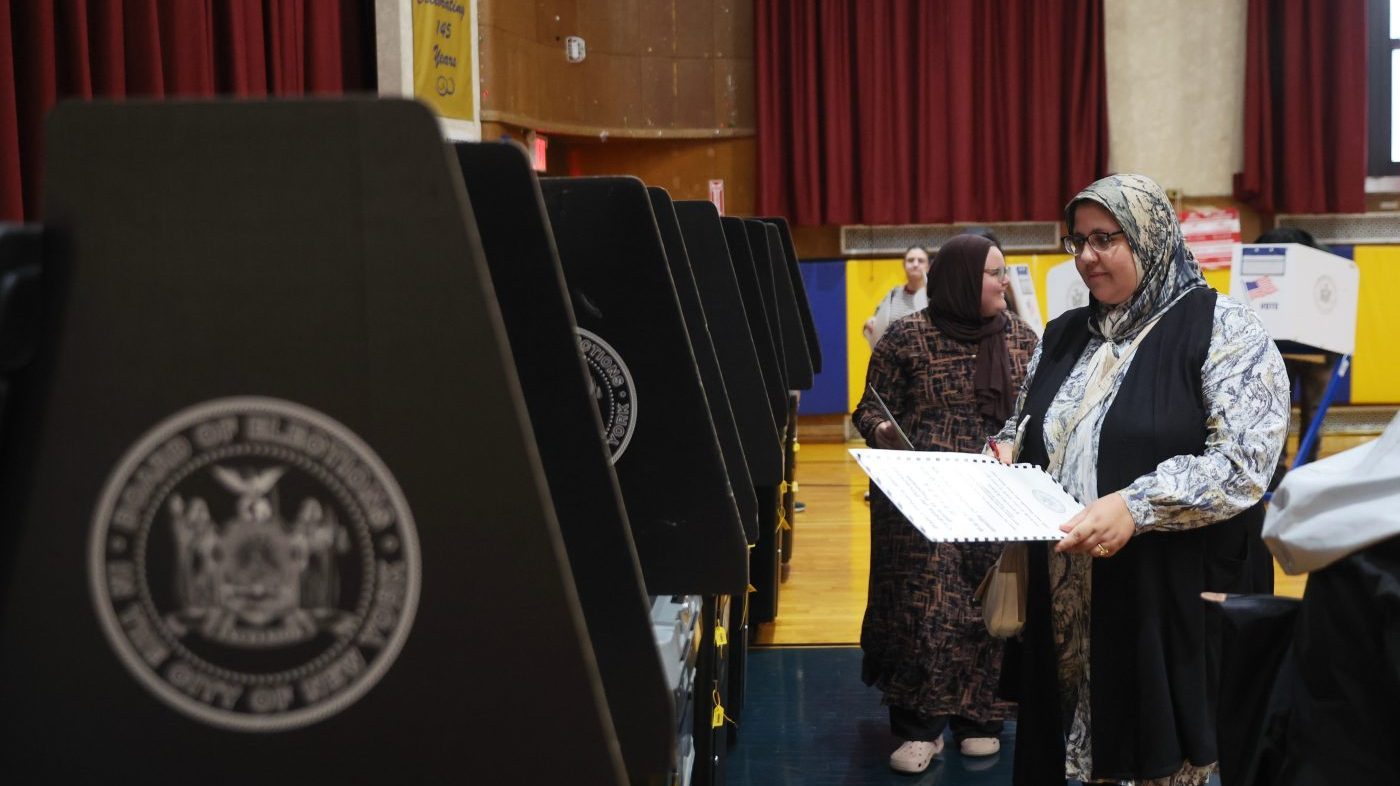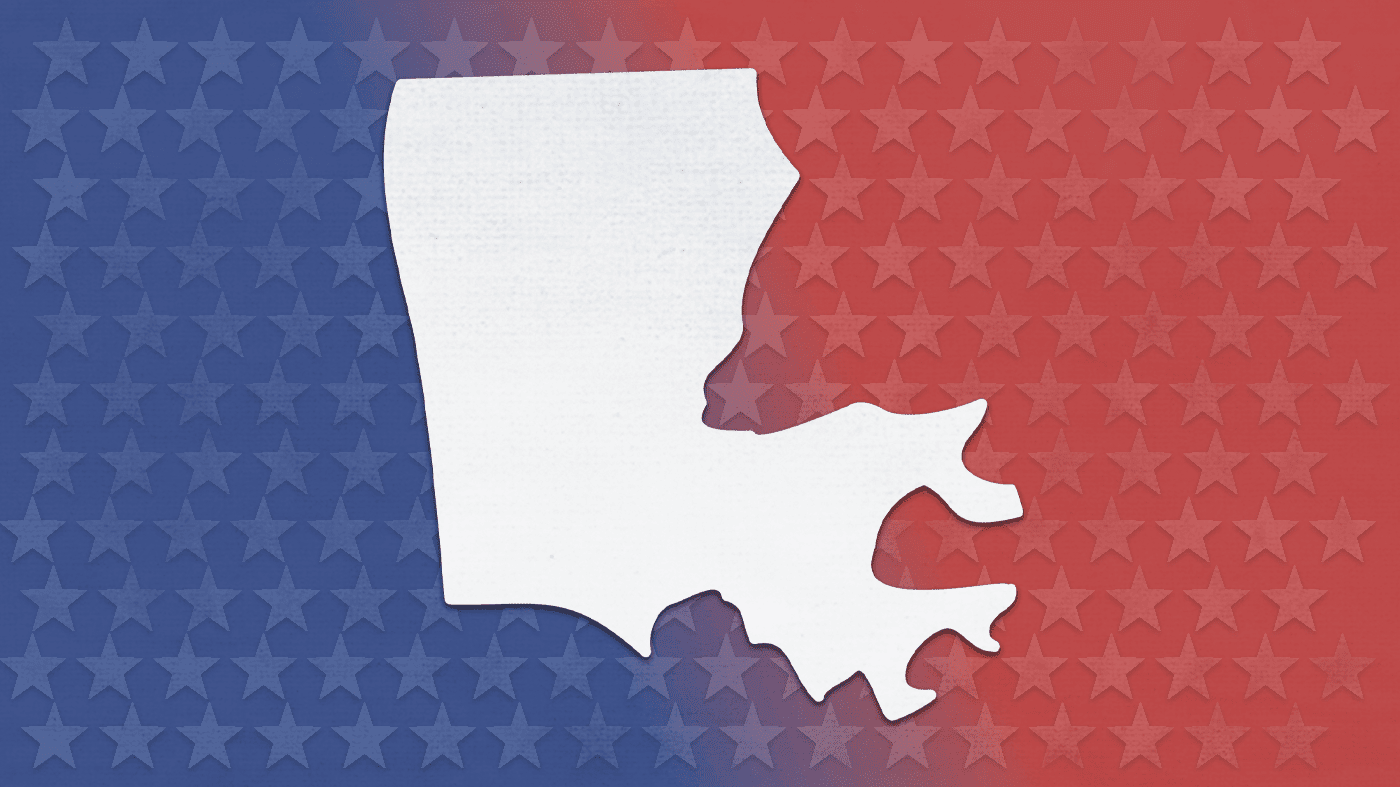
Louisiana voters head to the polls Tuesday to select their U.S. House representatives, a contest reshaped by a Supreme Court ruling and a subsequent GOP-led redrawing of the state's congressional map. The outcome could shift the balance of the state's delegation, which currently stands at four Republicans and two Democrats.
The election follows a turbulent redistricting cycle. After the Supreme Court's decision in Louisiana v. Callais, Governor Jeff Landry postponed the state's primaries to allow the legislature to redraw district lines. The new map, signed into law earlier this year, dismantles the majority-Black district that had been represented by Democrat Cleo Fields, a move that analysts say is likely to hand Republicans an additional seat in the House. For more on how other states are navigating similar redistricting battles, see Florida's redrawn map and the GOP's push to expand its majority.

Because of the delay, Louisiana is holding a jungle primary on November 3, with a runoff scheduled for December 12 if no candidate secures a majority. The 6th District, which includes most of Baton Rouge, Lafayette, and Shreveport, is the focus of national attention. Fields, the incumbent, is not seeking reelection; instead, he is running for a state Senate seat. The Louisiana GOP has endorsed two candidates in the race—state Senators Rick Edmonds and Blake Miguez—but a crowded field of candidates from both parties means the contest could head to a December runoff.
Political forecasters widely expect the 6th District to flip to Republican control, which would give the GOP a 5-1 advantage in the state's House delegation. The redistricting process has been contentious, with Democrats arguing that it dilutes Black voting strength, while Republicans maintain it reflects a more even distribution of voters. The legal and political ramifications are likely to be felt beyond Louisiana, as similar cases are pending in other states. Voters can also weigh in on other races, and undervoting rules allow them to skip contests if they choose.
Polls close at 9 p.m. Eastern Time, and results will begin streaming in shortly thereafter. The race in the 6th District, along with other down-ballot contests, could provide an early indicator of the national political mood heading into the 2026 midterm elections. As voters cast their ballots, record-high gas prices and economic concerns are weighing on the minds of many, factors that could influence turnout and candidate performance.
While Louisiana's delegation is not expected to change its overall partisan split dramatically, a GOP pickup in the 6th would cement the party's dominance in the Deep South state. The outcome could also have implications for the national House majority, as Republicans seek to defend their slim margin. For a look at how other states are handling similar electoral dynamics, see Maine's key House races and Arkansas's governor race.
As the night unfolds, all eyes will be on the 6th District and the possibility of a December runoff. With a field that includes multiple Republicans, Democrats, and independents, the jungle primary system could produce surprises. Voters will also decide other House races across the state, though most are considered safely held by incumbents.
Stay with The World Signal for live updates, analysis, and results as they come in. The political landscape in Louisiana—and the nation—could shift by the time the final votes are counted.