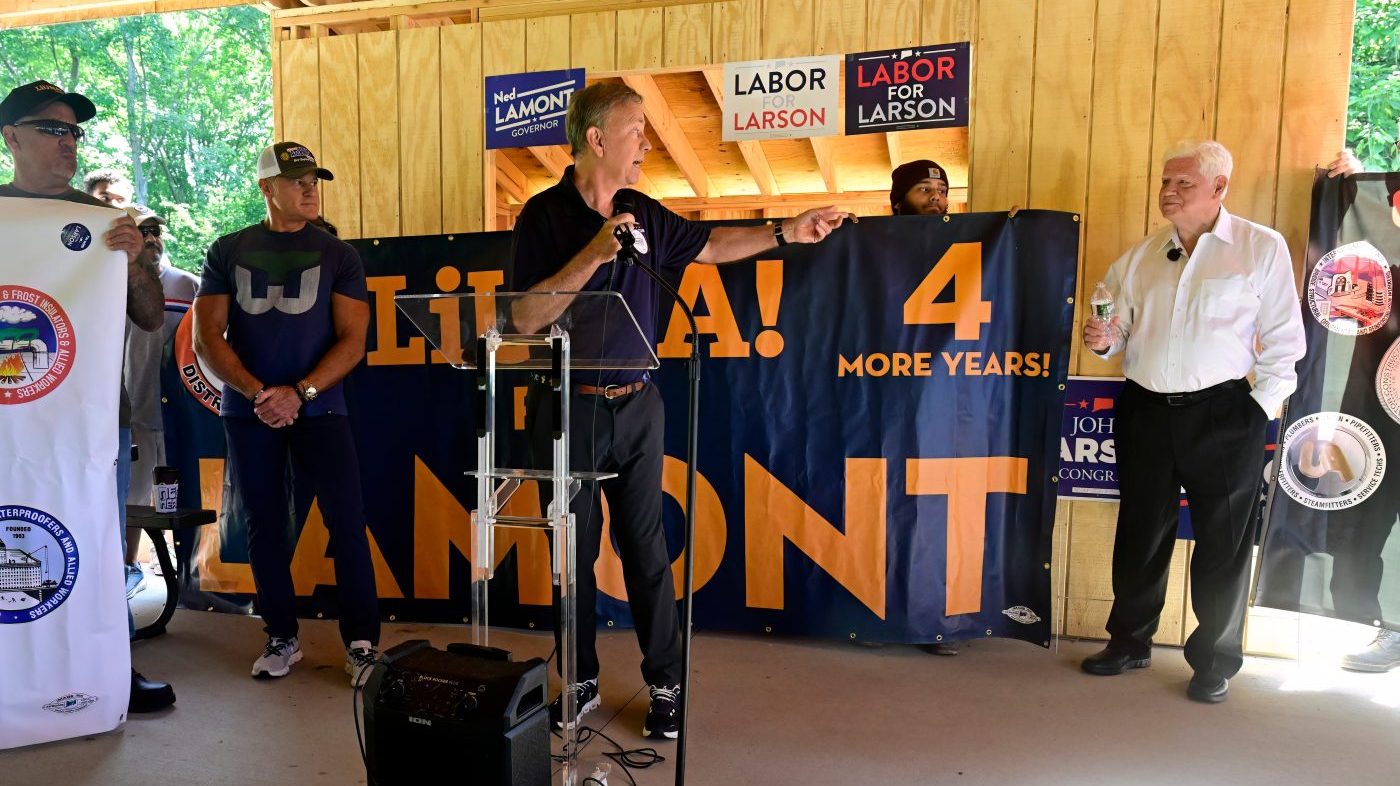
Connecticut Governor Ned Lamont secured the Democratic nomination in Tuesday's primary, turning back a progressive challenge from state Representative Josh Elliott. With the win, Lamont moves forward to the general election, where he will confront Republican state Senator Ryan Fazio in November. This primary marked the first time in half a century that an incumbent Connecticut governor faced a formal challenge from within their own party.
Lamont, a former cable executive who has governed the state since 2019, leaned on his personal wealth to dominate the spending race. According to the Associated Press, Lamont poured approximately $9.5 million of his own money into his campaign, while Elliott received around $3.8 million from the state's public financing program. Both candidates raised nearly $400,000 from individual donors, but the governor's self-funding gave him a decisive financial edge.

Elliott, a progressive who criticized Lamont from the left on issues such as housing affordability and corporate tax policy, was unable to break through in a state where the governor remains broadly popular. Lamont first won the office in 2018 with 49 percent of the vote and was reelected in 2022 with 56 percent, demonstrating consistent appeal across the electorate.
The Democratic primary outcome aligns with recent polling that showed Lamont leading Fazio in a hypothetical general election matchup by a wide margin, 50 percent to 29 percent. That survey, conducted before the primary, underscored the challenges facing Republicans in a state that has trended Democratic in recent cycles.
Lamont's victory also stands as a data point in the broader national conversation about the progressive movement's electoral strength. In other primaries this cycle, progressives have posted mixed results, with some wins in urban districts but struggles in more moderate areas. Analysts have noted that the left's influence often narrows in statewide contests, a pattern that may be repeating in Connecticut.
Fazio, a relatively moderate Republican who has focused on fiscal issues and government efficiency, will now attempt to rally a divided GOP base against an entrenched incumbent. His campaign is expected to emphasize economic concerns and criticism of Lamont's handling of the state budget, though the governor's approval ratings have remained steady.
With the primary behind him, Lamont can pivot to the general election, where he will likely highlight his record on infrastructure, education, and pandemic recovery. The governor has also been a vocal supporter of abortion rights and gun safety measures, positions that could energize Democratic voters in November.
Political observers will be watching whether Fazio can close the gap by appealing to independents and disaffected Democrats, but the current landscape suggests Lamont enters the fall as a clear favorite. The race also underscores the ongoing tension within the Democratic Party between its establishment wing and a more progressive faction, a dynamic visible in primary contests across the Midwest as well.
As the general election campaign begins, both candidates will need to articulate a vision for Connecticut's future, from economic development to social policy. Lamont's victory speech is expected to focus on unity and the need to continue the state's progress, while Fazio will likely sharpen his critique of the incumbent's record.
The November matchup will test whether Connecticut's Democratic lean remains strong or whether Fazio can capitalize on any voter discontent. For now, Lamont's path to a third term appears clear, but the political landscape can shift quickly, especially in an era of heightened partisan polarization.