For law enforcement, few outcomes are worse than convicting an innocent person. Not only does an innocent individual lose their freedom, but the real perpetrator remains at large, free to commit more crimes. New evidence shows that these miscarriages of justice are far more common when courts allow unreliable forensic science to be presented as fact.
A growing body of research reveals that junk science has played a role in numerous wrongful convictions, including at least nine cases where innocent people were executed. The root cause: forensic techniques that lack scientific rigor were treated as definitive proof in murder trials.
DNA Remains the Gold Standard
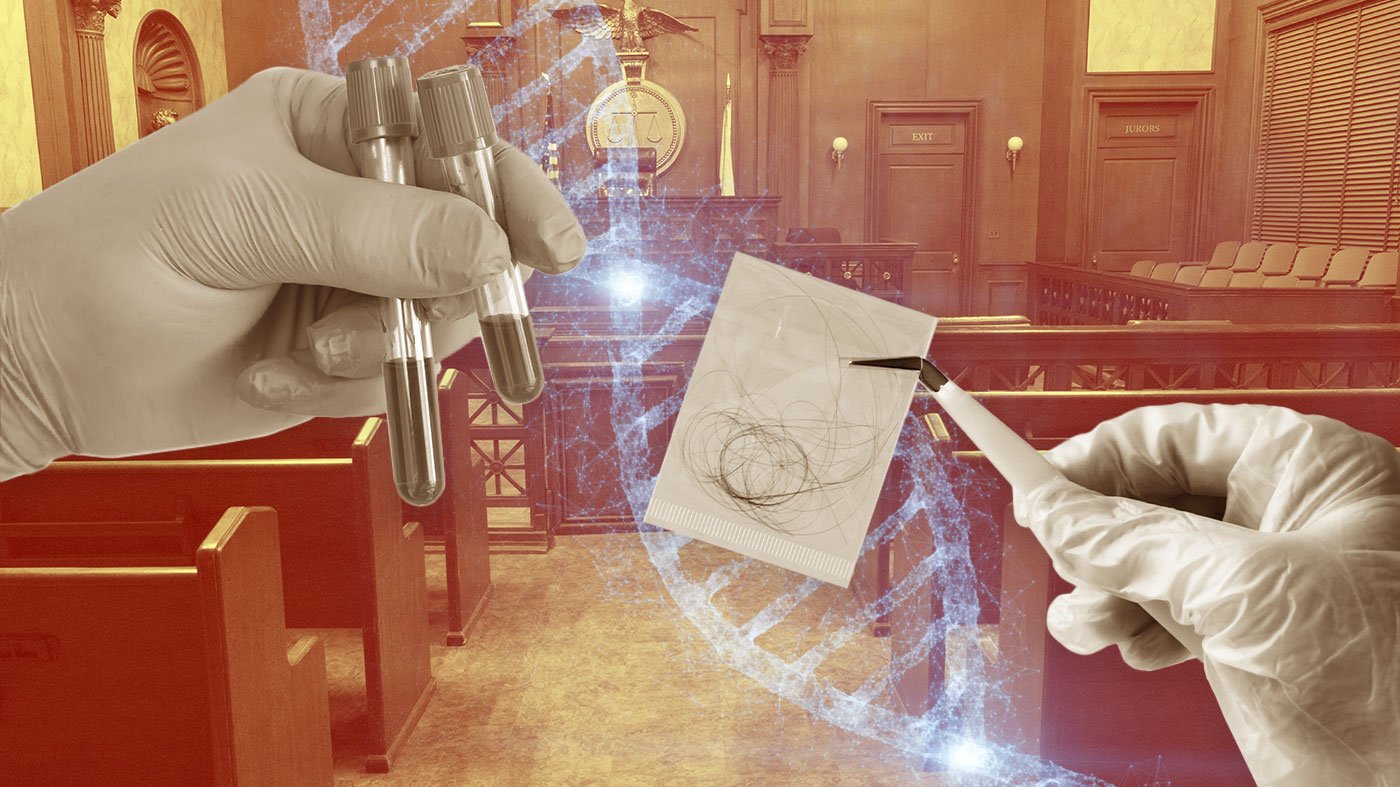
Science can be a powerful tool in the courtroom. DNA analysis, for instance, has been extensively validated and can link a suspect to a crime scene with high certainty. A National Academy of Sciences report concluded that no other forensic method can match DNA's reliability. Yet courts continue to admit unproven techniques as though they were equally conclusive.
For decades, expert witnesses told juries that comparing a single strand of hair from a crime scene to a suspect's hair could prove guilt. This practice, known as microscopic hair analysis, dates back to the 1800s and was long presented as objective science. Jurors had little reason to doubt it, and thousands of Americans may have been wrongly convicted as a result.
FBI Admits Massive Failures
In 2015, the FBI acknowledged that its examiners' testimony on hair analysis was incorrect in at least 90 percent of the trial transcripts reviewed. What had been marketed as reliable evidence was, in many cases, fundamentally flawed. Federal officials admitted to egregious mistakes in both testimony and lab reports and pledged to notify affected defendants and improve standards.
But apologies came too late. Among the cases the FBI identified, nine defendants had already been executed, and five died while on death row. Thousands more spent years or decades behind bars based on faulty FBI testimony. Such failures severely damage public trust in the justice system.
Bloodstain Analysis Also Questionable
Hair analysis is not the only forensic tool under fire. Bloodstain pattern analysis relies heavily on subjective expert interpretation. Researchers at the Department of Justice's National Institute of Justice found that 11 percent of cases relying on this technique reached incorrect conclusions. A report by the President's Council of Advisors on Science and Technology reinforced those findings.
One striking example: Julie Rea was convicted of murdering her 10-year-old son largely because a bloodstain expert claimed the evidence ruled out an intruder. She spent years in prison before being acquitted at retrial when the expert's testimony was discredited. Evidence later pointed to a serial killer who might have been stopped earlier had junk science not derailed the investigation.
Federal Rule 702 Offers a Model
The federal government has taken steps to curb unreliable science in court. Amendments to Federal Rule of Evidence 702 now require judges to ensure expert testimony is based on reliable principles and methods. But this rule applies only in federal courts. State courts, where most criminal cases are heard, often have looser standards.
Jurors are not scientists. They depend on experts to translate complex evidence into clear conclusions. Without rigorous gatekeeping, junk science can sway verdicts and ruin lives. State adoption of the federal rule's principles is critical. As recent political debates have shown, policy failures can have cascading consequences.
Progress is possible. States like Kansas and South Dakota have moved to strengthen their evidence standards, showing that reform is achievable. The lessons from the FBI's hair analysis debacle are clear: forensic evidence must be validated through rigorous scientific testing before it is allowed in court. Without strict adherence to standards like those in Federal Rule 702, state justice systems risk repeating the same tragic mistakes.
Joshua Hutchinson is a former FBI agent. Patrick Purtill is a former Department of Justice official.