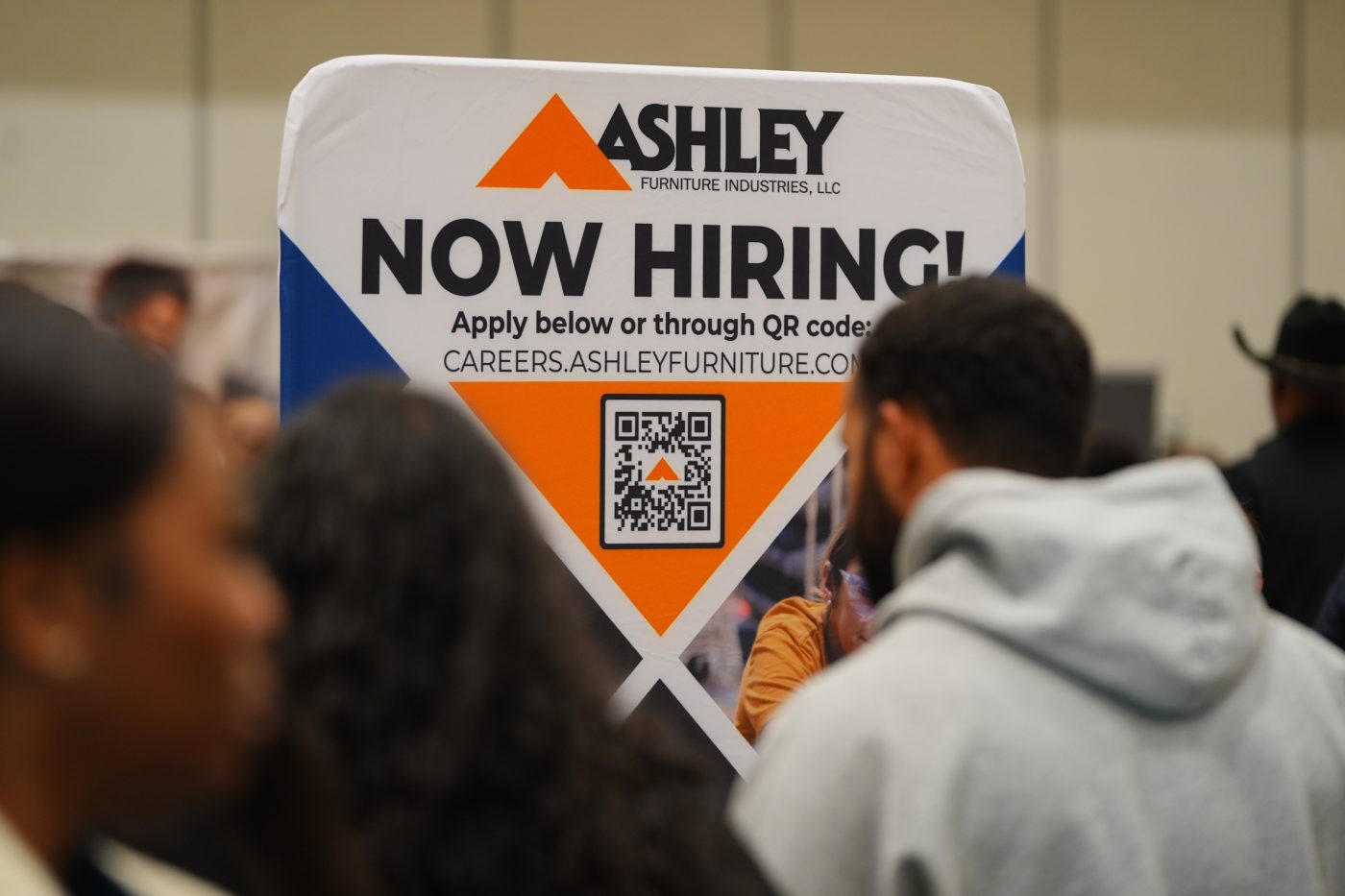
The U.S. labor market hit a soft patch in June, with employers adding just 57,000 jobs—roughly half the number economists had forecast. The Bureau of Labor Statistics reported Thursday that the unemployment rate edged down to 4.2 percent, a slight improvement from the prior month's 4.3 percent, but the headline number landed far from the 110,000 consensus estimate.
The disappointing figures, released just ahead of the July Fourth holiday, mark the latest in a string of troubling economic indicators. Last week, federal data showed inflation surging to its highest annual rate in more than three years, driven largely by energy price spikes linked to the ongoing conflict with Iran. The combination of rising prices and slowing hiring is creating a toxic mix for consumers and policymakers alike.
For President Trump and congressional Republicans, the numbers couldn't come at a worse time. With the midterm elections looming, the economy has been a central plank of the GOP's message. But the June jobs report suggests that the post-pandemic recovery is losing steam, and voters may take notice. Betting markets are already showing a split on Senate control, indicating that the political landscape is shifting.
The slowdown in hiring is particularly acute in sectors sensitive to consumer demand. Retail and hospitality, which had been adding jobs steadily, saw a marked pullback. Manufacturing also softened, likely reflecting higher input costs and uncertainty about trade policy. The energy sector, meanwhile, continues to grapple with the fallout from the Iran conflict, though shipping traffic through the Strait of Hormuz has recovered and markets have steadied somewhat.
Inflation remains the more immediate headache for the White House. The May Consumer Price Index reading, released last week, showed prices rising at an annual pace not seen since early 2020. Energy costs, particularly gasoline, have been a major driver—prompting Trump to pressure gas stations to lower prices even as crude oil prices have fallen. Critics argue that the administration's tariff policies and the war in Iran have exacerbated the problem.
The June jobs data also raises questions about the Federal Reserve's next move. The central bank has been walking a tightrope, trying to tamp down inflation without choking off growth. A weaker labor market could give the Fed cover to hold off on further rate hikes, but the inflation numbers argue for continued tightening. Economists are divided on whether the economy is headed for a 'soft landing' or a recession.
For working families, the numbers translate into real anxiety. Wage growth has not kept pace with inflation, eroding purchasing power. A new bill proposing a $25 minimum wage has been introduced in Congress, but data suggests even that would fall short for many households in high-cost areas. The debate over income adequacy is likely to intensify as the election approaches.
On the positive side, the unemployment rate remains historically low, and the labor force participation rate held steady. But the pace of hiring is clearly decelerating. The three-month average for job gains has fallen from over 200,000 earlier this year to around 100,000 now, signaling that employers are becoming more cautious.
The White House sought to put a brave face on the numbers, noting that the economy has added millions of jobs since the pandemic trough. But the trend is unmistakably downward, and with inflation still running hot, the political fallout could be significant. As the midterms tighten, every piece of economic data will be scrutinized for its impact on voter sentiment.