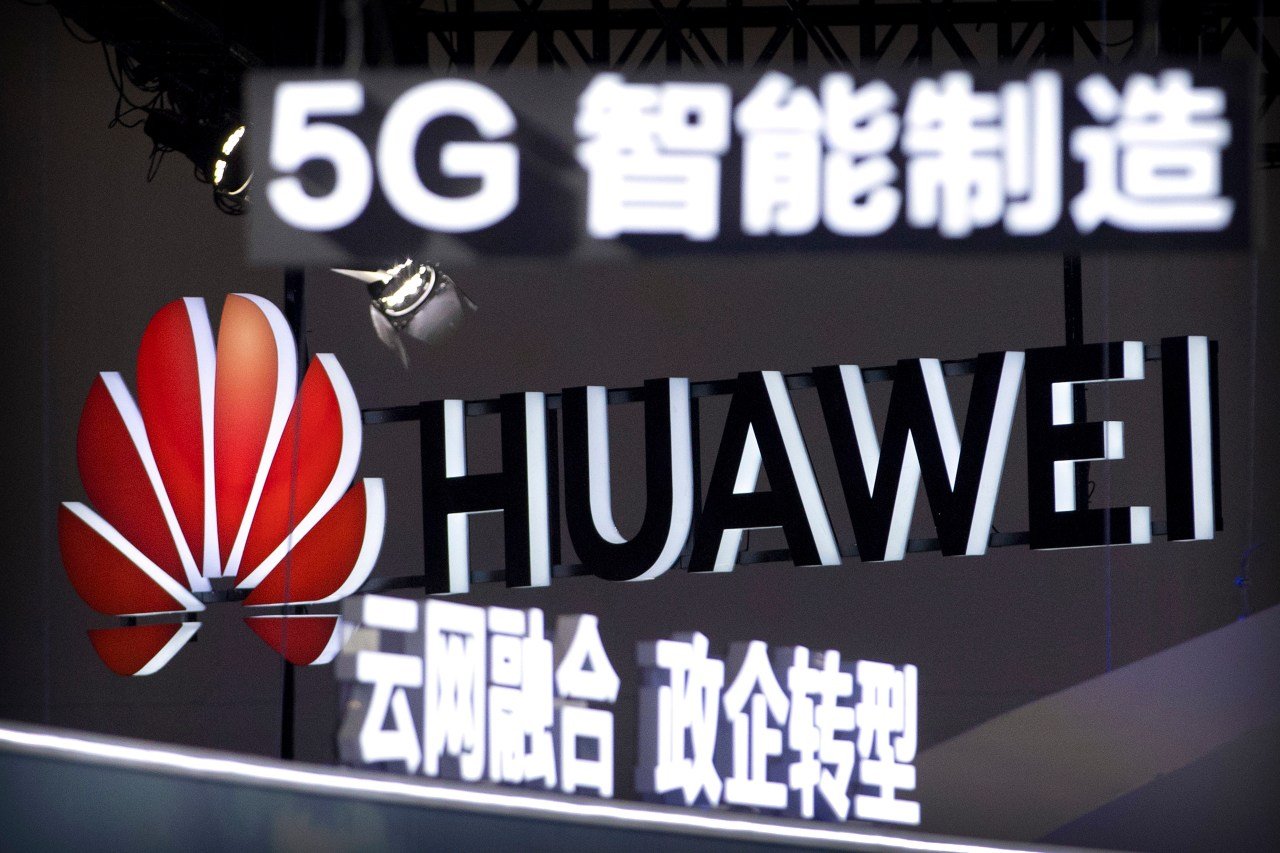
Huawei Technologies, the Chinese telecom giant, is set to face a criminal racketeering trial in New York, with jury selection scheduled to begin Tuesday. The case, which has been years in the making, accuses the company of a sweeping conspiracy to steal U.S. trade secrets, commit wire and bank fraud, and evade sanctions on Iran and North Korea.
The indictment, unsealed in early 2019, alleges that Huawei and its subsidiaries not only misappropriated proprietary technology but also conducted business with North Korea in violation of U.S. sanctions. Additionally, prosecutors claim Huawei installed surveillance equipment in Iran that helped the government monitor protesters during the 2009 anti-government demonstrations.
Huawei's legal team has repeatedly sought to have the case dismissed, arguing in court filings that the allegations are overly vague, that some charges are "impermissibly extraterritorial," and that the fraud claims lack a domestic nexus. The court, however, has allowed the case to proceed, setting the stage for a high-stakes trial that could further strain U.S.-China relations.
The trial comes amid a broader geopolitical battle over technology dominance. Huawei, the world's largest supplier of wireless telecom gear, has been barred from selling equipment to U.S. carriers over national security concerns. The company is also blacklisted in Canada and Britain, reflecting a coordinated Western effort to limit its influence in next-generation networks.
While Huawei continues to produce smartphones and consumer electronics, its access to U.S. processor chips has been severely restricted. In response, the company has invested heavily in developing its own chipmaking capabilities, particularly as the artificial intelligence boom drives demand for advanced microprocessors. This pivot is part of a larger strategy to navigate the sanctions and maintain its competitive edge.
The case has also drawn sharp criticism from Beijing, which has accused Washington of "economic bullying" and using national security as a pretext to "oppress Chinese companies." These sentiments are likely to echo in the courtroom, where the defense may argue that the prosecution is politically motivated.
One of the most dramatic chapters in this saga involved Huawei's chief financial officer, Meng Wanzhou, the daughter of founder Ren Zhengfei. She was arrested in Canada in 2018 on a U.S. extradition request, facing fraud charges for allegedly misleading HSBC about Huawei's dealings in Iran. Her detention became a diplomatic flashpoint, culminating in a 2021 prisoner swap that freed two Canadians held in China and allowed Meng to return home. In exchange, the U.S. dropped its extradition request and agreed to dismiss the charges against her.
As the trial unfolds, it will not only test the legal merits of the government's case but also serve as a barometer for how far the U.S. is willing to go in its tech rivalry with China. The outcome could have far-reaching implications for global supply chains, cybersecurity policy, and the future of international trade.