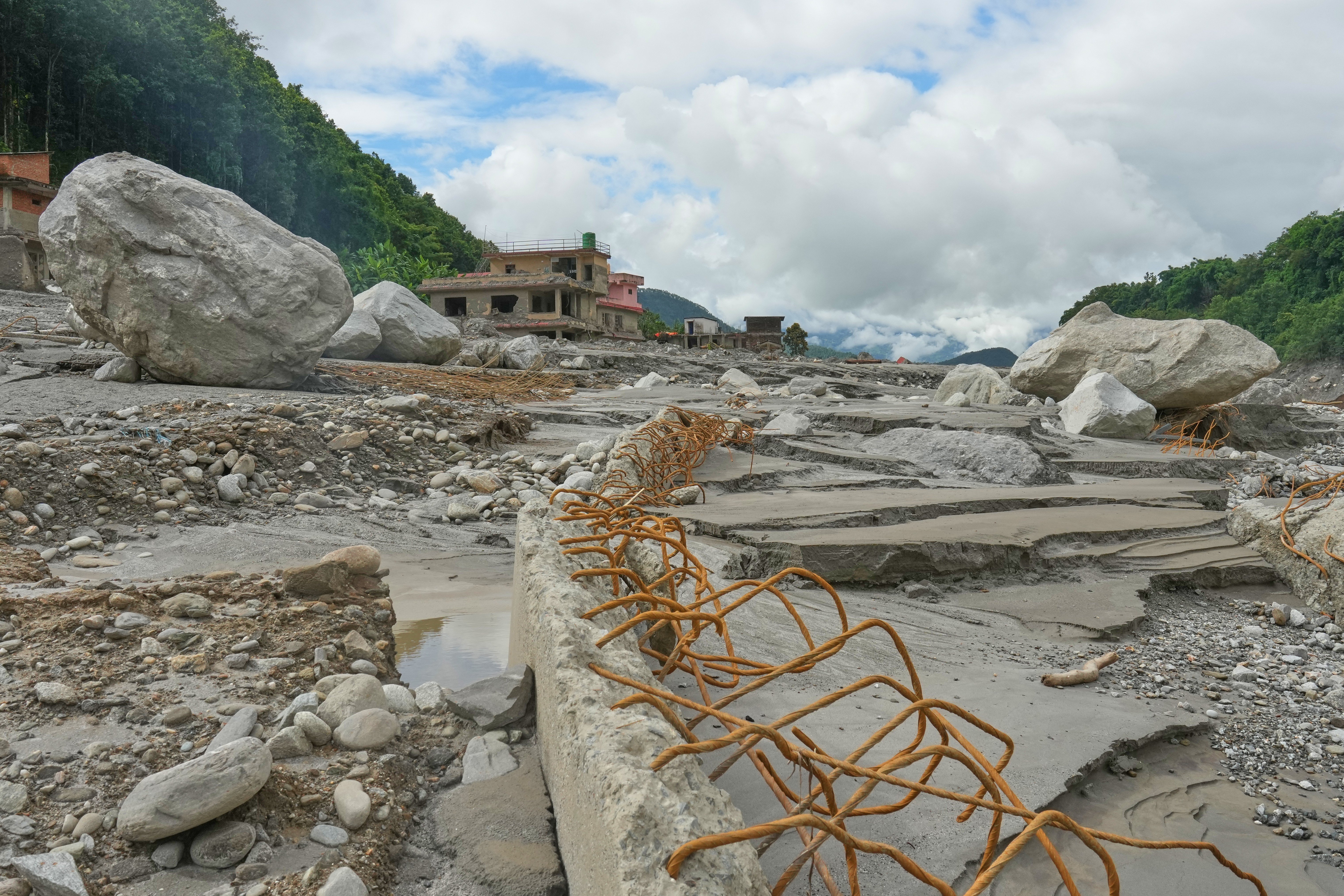
The catastrophic flood that tore through the Tibet-Nepal border region is a stark reminder that human efforts to control nature often backfire, turning manageable risks into disasters. The event, triggered by an ice-and-rock avalanche from a glacier on the international boundary, unleashed a torrent that ravaged downstream communities, highlighting the fragility of engineered landscapes in the world's youngest and most volatile mountain range.
While climate change is a contributing factor, the disaster underscores a broader problem: human alteration of ecosystems is itself amplifying natural hazards. The flood's path of destruction was shaped as much by concrete embankments, highways, and diversion structures as by the initial natural trigger. These engineering works, built to tame the river, instead funneled the debris-laden surge into narrow corridors, accelerating its speed and destructive power before it slammed into Nepal.

Nepal, which bore the brunt of the disaster, had little responsibility for the upstream modifications. Yet its citizens paid the price for decisions made on the Chinese side of the border, where extensive infrastructure projects have reshaped the Tibetan plateau's river systems. This asymmetry of risk and consequence is a recurring theme in transboundary river management, as noted in a State Department travel alert issued after the disaster.
The tragedy fits a global pattern of ambitious engineering projects that seek to subjugate natural systems. China, in particular, has pursued mega-projects like the Three Gorges Dam and the South-to-North Water Diversion Project, reflecting a belief that nature can be bent to human will. But complex ecosystems do not behave like machines; they operate through intricate feedback loops where interventions can trigger cascading consequences far from the original site.
In the Himalayas, the collision of tectonic plates makes the region inherently unstable, with landslides and flash floods being natural occurrences. However, the scale of destruction in this event was aggravated by human construction. Natural floodplains and gravel bars that once absorbed flood energy have been replaced by rigid structures that force water into tighter channels, increasing its velocity and erosive power. This phenomenon was predicted in a 2022 study, which warned that such engineering would exacerbate downstream flooding.
The flood also exposed the danger of debris accumulation from construction sites. Loose sediment was swept into the deluge, creating a dense slurry that smashed bridges and hydropower plants with enormous force. Temporary dams formed behind bridges and culverts, then burst, releasing secondary flood pulses that were even more destructive than the initial surge.
As the world grapples with the aftermath, the lesson is clear: humanity must respect the fundamental logic of natural systems. The illusion that we can engineer nature into submission is not only dangerous but also counterproductive. The recent flooding in the Grand Canyon and other disasters worldwide echo this warning.
Policymakers must reconsider the environmental costs of large-scale infrastructure, especially in ecologically sensitive regions like the Himalayas. The push for sustainable development is gaining momentum, but it requires a fundamental shift in how we approach nature.
The Tibet-Nepal flood is not an isolated tragedy but a harbinger of what lies ahead if we continue to ignore the interconnectedness of natural systems. As the political debate over climate policy intensifies, this disaster should serve as a catalyst for change.