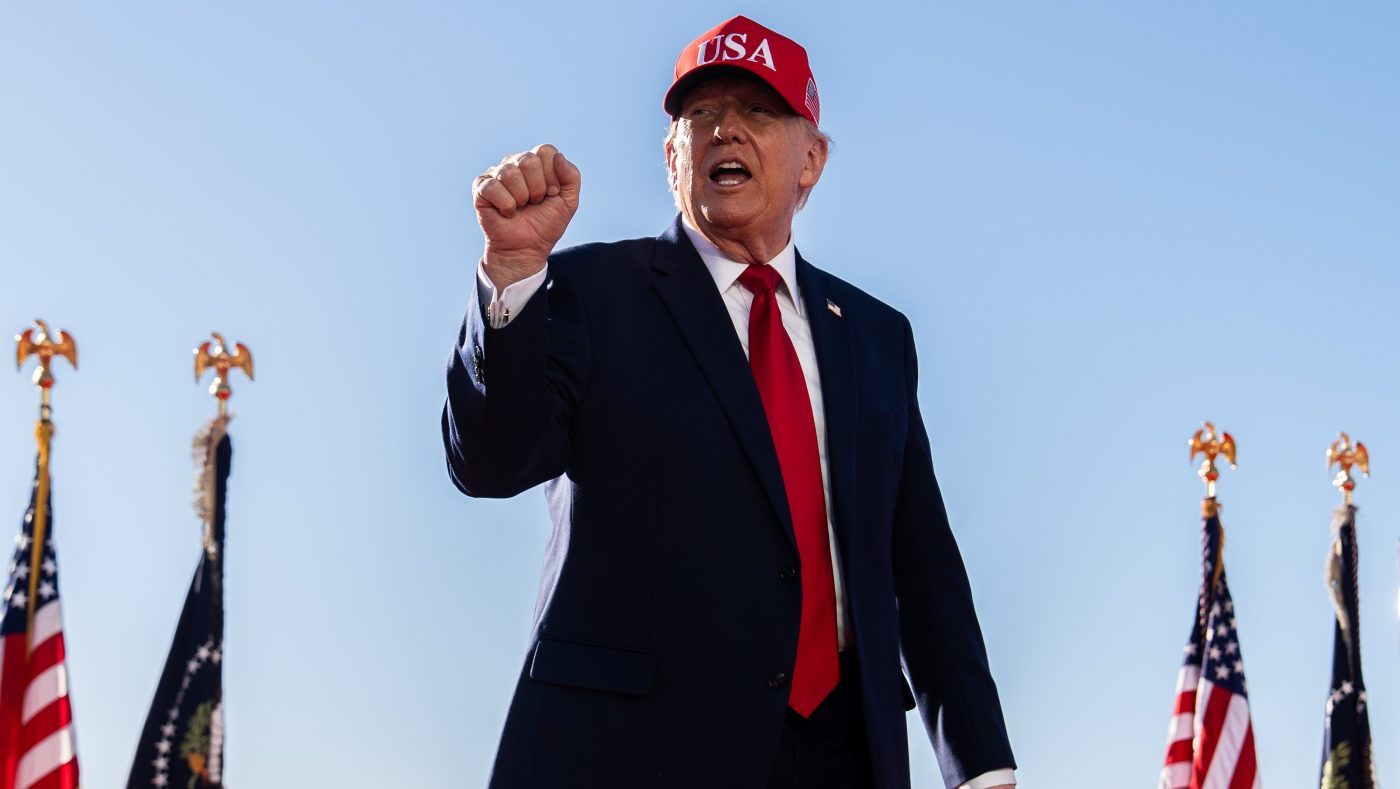
Republican senators are increasingly voicing concern that President Trump's handling of immigration—once a clear advantage for the GOP—has become a political liability that could cost the party in upcoming elections. Several lawmakers told The Hill that the administration's mass deportation policies have gone too far, alienating suburban and Hispanic voters who were pivotal to Republican gains in 2024.
Senator John Cornyn (R-Texas) criticized the broad scope of deportations, saying, "Once you start deporting people who have otherwise been here without incident for 15, 20 years, that's a gray zone that I think where you find a lot of division of opinion." He added, "I always thought that this idea of mass deportations sent the wrong message."
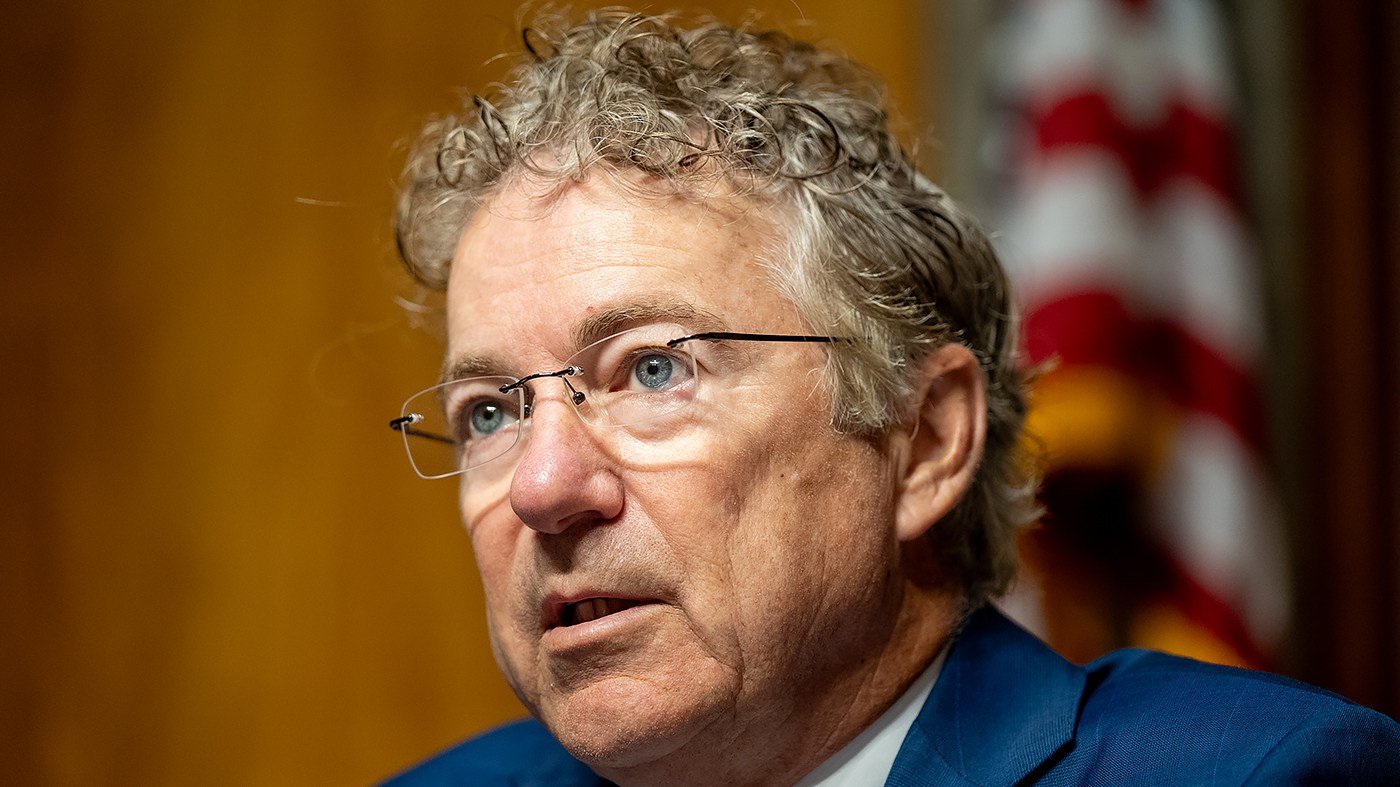
A Fox News poll conducted September 11-14 found that 53% of registered voters believe the administration's immigration enforcement has gone too far. Among those, 45% cited excessive force, while 49% said the wrong people are being targeted.
Senator Mike Rounds (R-S.D.), facing reelection, emphasized that most Americans want ICE to focus on migrants who commit serious crimes, not those who are simply in the country illegally. "Most Americans are saying we are a nation of laws, but with as many people here illegally as we've got, let's make darn sure that our focus is on getting those individuals that have violated our laws with regard to other things other than being here illegally," he said. Rounds advised the administration to ease off on long-term residents who have court approval to stay, suggesting a refocus on "those individuals that are actually causing harm within society today."
Senator Thom Tillis (R-N.C.) echoed those concerns, stating, "I would rather have 100 illegally present people go free than have that innocent person caught." He criticized enforcement sweeps that have detained U.S. citizens and green-card holders, calling it "politically dumb" and "immoral." An investigation by ProPublica found that more than 170 U.S. citizens have been held by immigration agents, some subjected to physical force.
Tillis argued that Trump's overreach has overshadowed his administration's success in reducing illegal border crossings by over 90% since President Biden left office. "Instead of taking that win … we've completely masked that enormous success of securing the border, by overreaching and going too aggressively" after mass deportations, he said.
Public opinion appears to be shifting. An NPR/PBS News/Marist poll from September 14-15 found that 41% of voters trust Democrats more on immigration, compared to 38% for Republicans—a reversal from the 2024 dynamic.
Senator Joni Ernst (R-Iowa), who is retiring, acknowledged that illegal entry is a crime but questioned whether there is a "more humane way" to deal with long-term undocumented residents who are contributing members of society. She suggested Trump could offer a path to stay with higher taxes as a fine, saying, "Is there a way that President Trump could look at these individuals and say, 'OK, we'll allow you to stay but we're going to tax you more … as a way of paying a fine because you broke the law entering the country.'"
The backlash intensified after two American citizens were fatally shot by federal officers in Minneapolis during protests over ICE and Border Patrol tactics. The deaths of Renee Good and Alex Pretti triggered a 76-day shutdown of the Department of Homeland Security after Democrats blocked funding. The agency was eventually funded through a budget reconciliation process, passed solely with GOP votes.
Mark Krikorian of the Center for Immigration Studies, which advocates for reduced immigration, pushed back against the Republican criticism, arguing that enforcement has become more professional. "They're doing the job in a more professional and less cinematic fashion," he said, adding that complaints are coming from Republicans "who never supported the president's agenda to begin with, including Cornyn."
Despite the pushback, GOP senators are growing increasingly alarmed that Trump's immigration stance could hurt the party's chances in 2026. As the midterm cycle heats up, the issue—once a winning card—now threatens to become a drag on Republican candidates, especially in suburban districts and among Hispanic voters. The White House and DHS did not respond to requests for comment.