Lawmakers filed back into the Capitol this week after a one-week recess, immediately confronting the same explosive issues that gridlocked the chamber before the break. Republican leaders are juggling a trio of high-stakes battles: funding immigration enforcement through budget reconciliation, renewing the Foreign Intelligence Surveillance Act (FISA) Section 702 authority, and advancing a farm bill through a divided Senate.
At the top of the GOP's priority list is a second budget reconciliation bill, this one carrying $72 billion to fund Immigration and Customs Enforcement (ICE) and Border Patrol through fiscal 2029. The text, released last week by the Senate Judiciary and Homeland Security Committees, would allocate $22.57 billion for Customs and Border Protection personnel and $30.73 billion for ICE hiring and operations. Republicans are using reconciliation to bypass a Democratic filibuster after bipartisan talks on immigration enforcement collapsed. President Trump has set a June 1 deadline for the bill to reach his desk. For more on the internal dynamics shaping these debates, see the key GOP fractures that could define the summer session.
FISA Deadline Looms as Conservatives Dig In
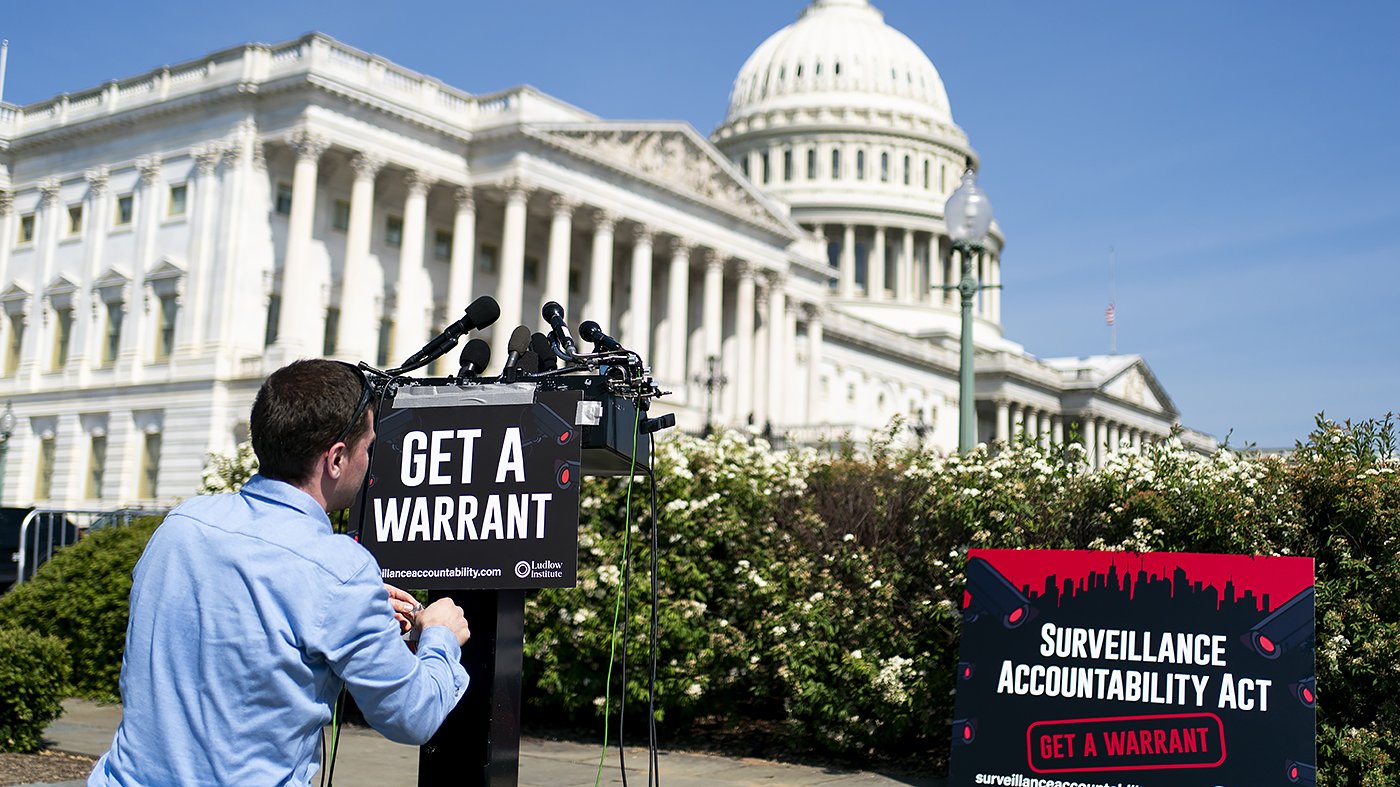
Section 702 of FISA, which permits warrantless surveillance of foreign nationals, expires on June 15. Congress approved a 45-day extension just before recess, but hardline conservatives in the House are demanding a ban on central bank digital currency (CBDC) and a warrant requirement for accessing data on Americans swept up in foreign surveillance. Senate Majority Leader John Thune (R-S.D.) has declared a CBDC ban “dead on arrival” in the upper chamber, and moderates warn a warrant requirement would hamstring law enforcement.
House Speaker Mike Johnson (R-La.) faces a razor-thin majority and needs near-unanimous GOP support to pass a rule governing any FISA extension. Rep. Chip Roy (R-Texas), policy chair of the House Freedom Caucus, pressed for a transparent process: “Will we run a bill through committee, through Judiciary, Intel, work with the chairmen and deliver a product that actually answers the questions the American people want us to answer to prevent spying and warrantless surveillance?” Rep. Keith Self (R-Texas) remained optimistic: “CBDC can still make it across the finish line. The Senate will respond to the people if they push hard enough.” Thune has argued the extra time allows for negotiation on a longer-term deal.
Farm Bill Faces Senate Gauntlet
Meanwhile, the Senate will take up a farm bill reauthorizing spending for food and agriculture programs. The legislation faces an uphill climb, needing 60 votes to overcome a filibuster. The House version stirred controversy over certain provisions, and senators will now craft their own path forward.
Other Key Items on the Agenda
- Kevin Warsh confirmation vote: The Senate is expected to vote on Trump’s pick to chair the Federal Reserve.
- Housing bill adjustments: The House is revising a Senate-passed housing bill that drew bipartisan criticism.
- First 2027 appropriations bill: A military construction and veterans affairs spending measure is up for a House vote.
The week ahead will test Johnson’s ability to unite his conference on surveillance reforms and the White House’s push for immigration funding. With the FISA expiration date fast approaching and a reconciliation package moving through committees, the political stakes are rising. For context on how these fights fit into broader GOP infighting, see the internal GOP battles that will shape the summer. Meanwhile, the farm bill’s fate in the Senate remains uncertain, as both parties jockey for leverage. The coming days will reveal whether Republican leaders can navigate these crosscurrents or whether the fractures deepen.