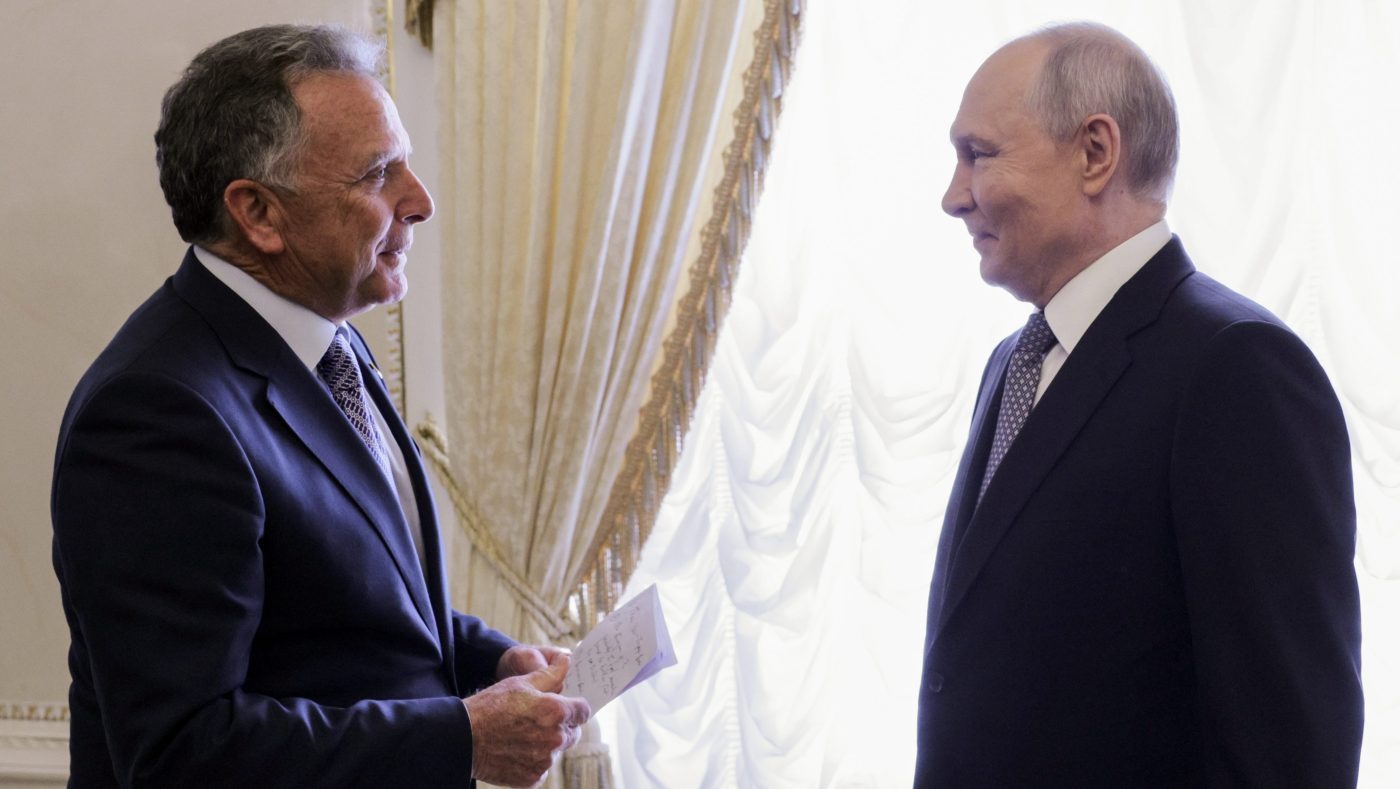
A Republican-aligned political action committee is spending heavily to elevate a socialist candidate in Ohio's Senate race, a move that could split Democratic support and tip the balance in a closely contested election.
Enough Promises Ohio, which is not formally affiliated with the GOP but has been linked to Republican interests, has poured more than $2.7 million into the race, with a significant portion aimed at boosting Greg Levy, the Party for Socialism and Liberation candidate, according to a Politico report based on federal filings.
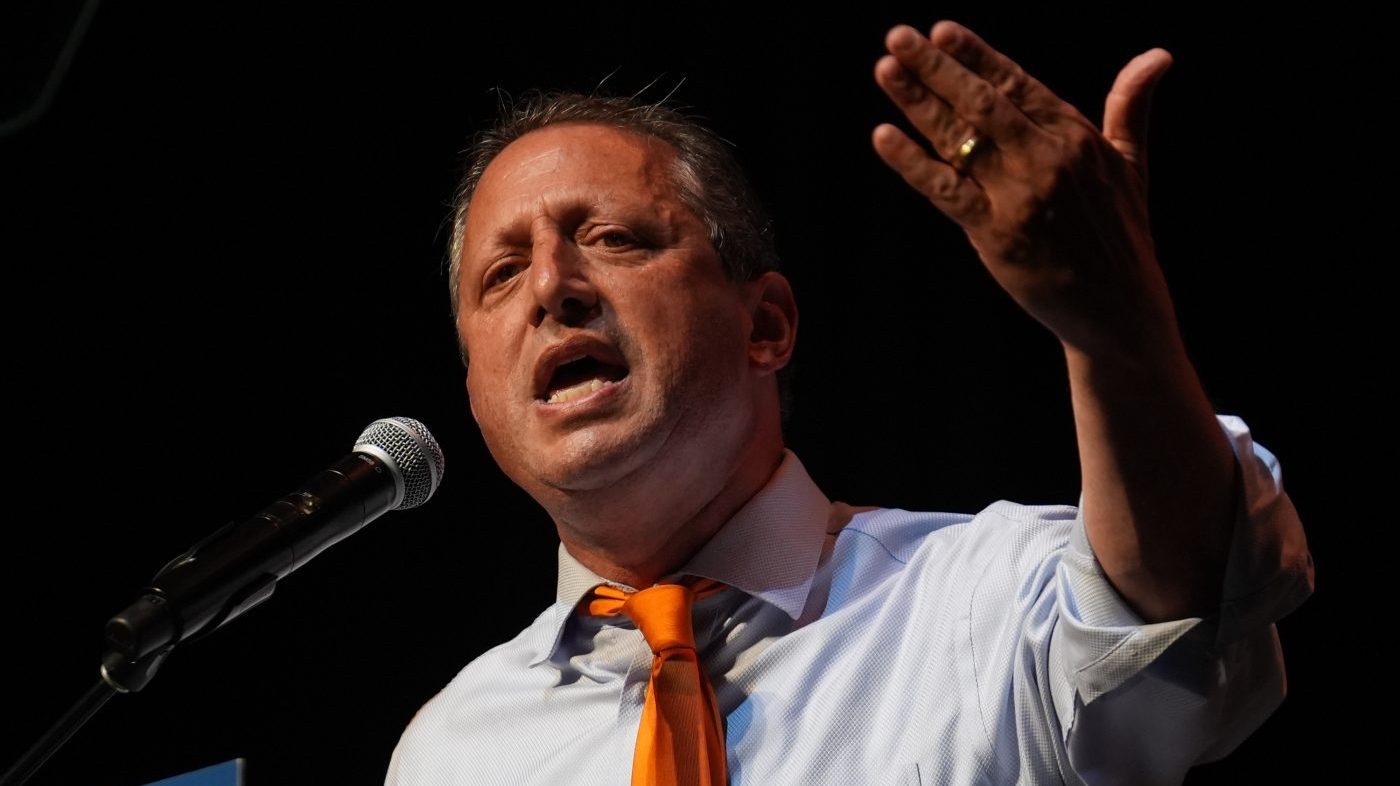
As of the latest filing on Tuesday, the PAC has spent over $1.2 million on “media placement/media production” and “printing/postage” directly benefiting Levy's campaign. The remaining funds have been used to oppose Democratic Senator Sherrod Brown, who is locked in a tight battle with Republican Senator Jon Husted.
The strategy is a classic political maneuver: by amplifying a fringe candidate who could pull votes from the Democratic base, Republicans hope to weaken Brown's chances in a race that could determine control of the Senate. Political analysts note that third-party candidates often act as spoilers, and this expenditure appears designed to maximize that effect.
Levy, who has previously run for office on a socialist platform, has not been a major factor in the race, but the influx of outside money could change that. The PAC's spending on his behalf includes direct mail and digital advertising, which could introduce him to voters who might otherwise support Brown.
The Ohio Senate race is one of the most watched in the country, with both parties pouring resources into the state. Similar tactics have been seen in other tight Senate contests, where outside groups attempt to influence the outcome by boosting unconventional candidates.
Brown's campaign has condemned the PAC's spending, calling it a cynical attempt to deceive voters. “Ohioans see through this desperate move,” a campaign spokesperson said. “Sherrod Brown has spent his career fighting for working families, and no amount of dark money will change that.”
Husted's campaign has not commented on the PAC's activities, but the Republican senator has been campaigning on a platform of economic growth and border security, hoping to appeal to moderate voters in a state that has trended Republican in recent years.
This is not the first time such a strategy has been employed. In past elections, both parties have used similar tactics to elevate fringe candidates, often with mixed results. The effectiveness of this approach in Ohio remains to be seen, but the stakes are high as the race heads into the final stretch.
With early voting already underway, the impact of this spending could be felt soon. Democrats are also facing a youth turnout gap, which could further complicate Brown's path to victory. Meanwhile, overall spending in the midterms has reached record levels, with both parties pouring hundreds of millions into key races.
As Election Day approaches, all eyes will be on Ohio to see whether this unusual investment pays off for Republicans or backfires, energizing Democratic voters who resent outside interference.