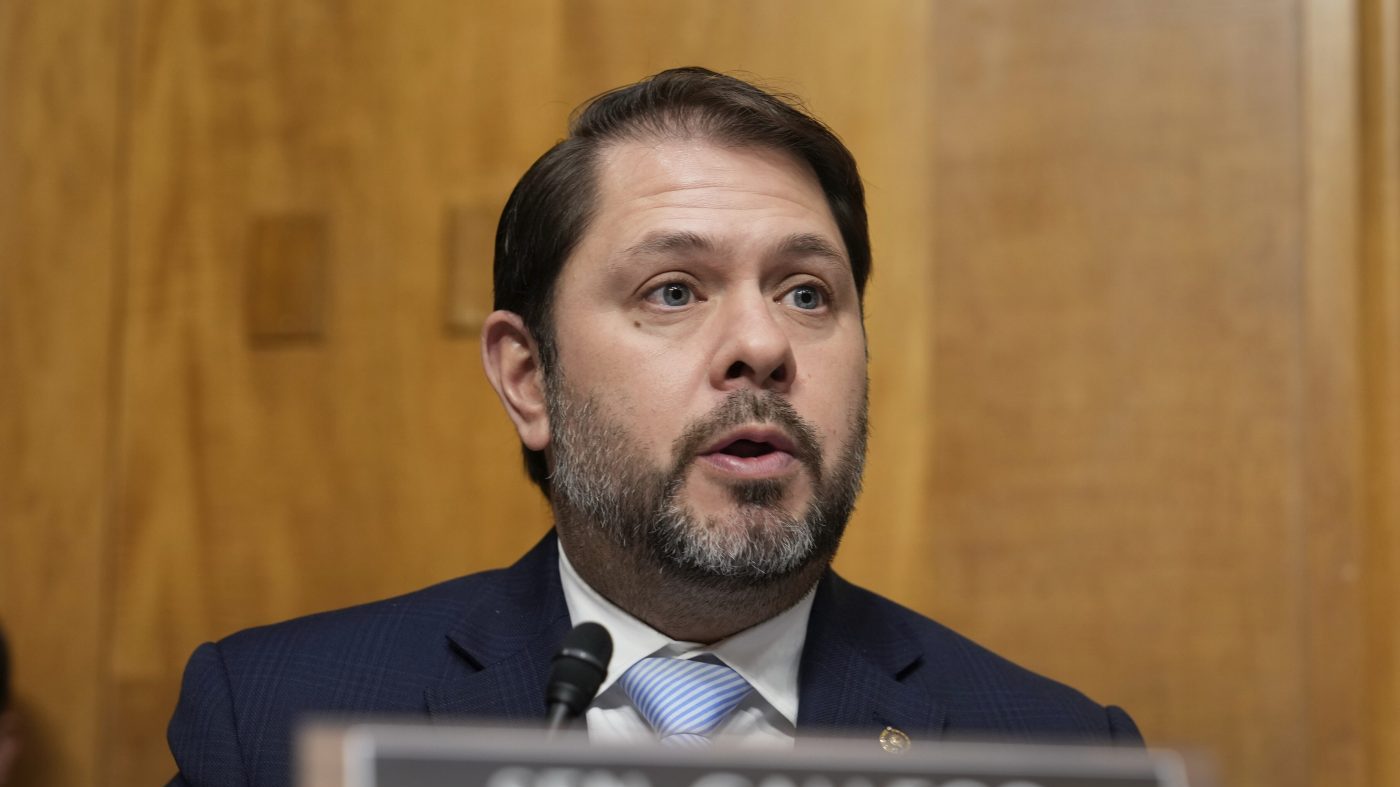
Sen. Ruben Gallego (D-Ariz.) is set to introduce legislation on Tuesday that would require social media companies to obtain parental consent before allowing users under 16 to create or maintain accounts. The proposal, dubbed the Parental Approval for Youth Social Media Act, represents one of the most stringent federal efforts to regulate minors' access to platforms like Instagram, TikTok, and Snapchat.
The bill, first shared with The Hill, would make parental authorization the default requirement for any user under 16, effectively raising the age threshold by at least three years for platforms that currently allow younger teenagers to sign up without guardian involvement. However, parents or legal guardians would retain the option to approve their child's account if they choose to do so.
Gallego's office noted that the measure includes carve-outs for services where social interaction is not the primary function, such as email, text messaging, educational tools, video conferencing, and online gaming. This approach aims to avoid unintended restrictions on essential communication and learning platforms.
The Arizona Democrat first floated the idea last month after French lawmakers moved to ban social media for children under 15. "Good idea — but I think it should be 16," he wrote in a social media post at the time. Unlike France's blanket prohibition, Gallego's bill would allow parental consent, offering a more flexible framework.
In a statement, Gallego pointed to research linking social media use to negative mental health outcomes in adolescents. He also warned that unsupervised minors could be "exposed to explicit material, recruited by drug or sexual traffickers or cyber bullied." He added, "Meanwhile, Big Tech is profiting off that very screen time."
The push for age-based restrictions has gained momentum internationally. Australia became the first country to implement an under-16 ban late last year, and Indonesia followed suit. Brazil and Canada are also weighing similar measures. In the United Kingdom, former Prime Minister Keir Starmer announced in June that his government would pursue a comparable ban, though its future is uncertain following his resignation.
In Washington, however, such proposals face steep obstacles. The Trump administration has openly opposed European-style social media restrictions, arguing that they could stifle free speech and burden American companies. Ahead of Starmer's announcement, the U.S. Embassy in London sent a letter asserting that "an open internet is essential to the preservation of free speech" and warning that regulations could "impose disproportionate compliance burdens on American companies."
The administration has instead encouraged parents to manage their children's privacy settings and screen time, stopping short of endorsing government mandates. This stance aligns with broader Republican skepticism toward tech regulation, though some conservative lawmakers have expressed concern about online harms to minors.
With only months remaining in the current Congress, pressure is mounting on lawmakers to advance child safety legislation. Advocacy groups and some bipartisan coalitions have called for action, but the political divide over the appropriate role of government in regulating online content remains a significant hurdle. Gallego's bill is likely to spark renewed debate, but its chances of passage in the near term are slim given the current political climate.
As the conversation evolves, the focus on presidential approval ratings and midterm dynamics may overshadow legislative efforts, but the issue of youth social media use continues to resonate with parents and policymakers alike.