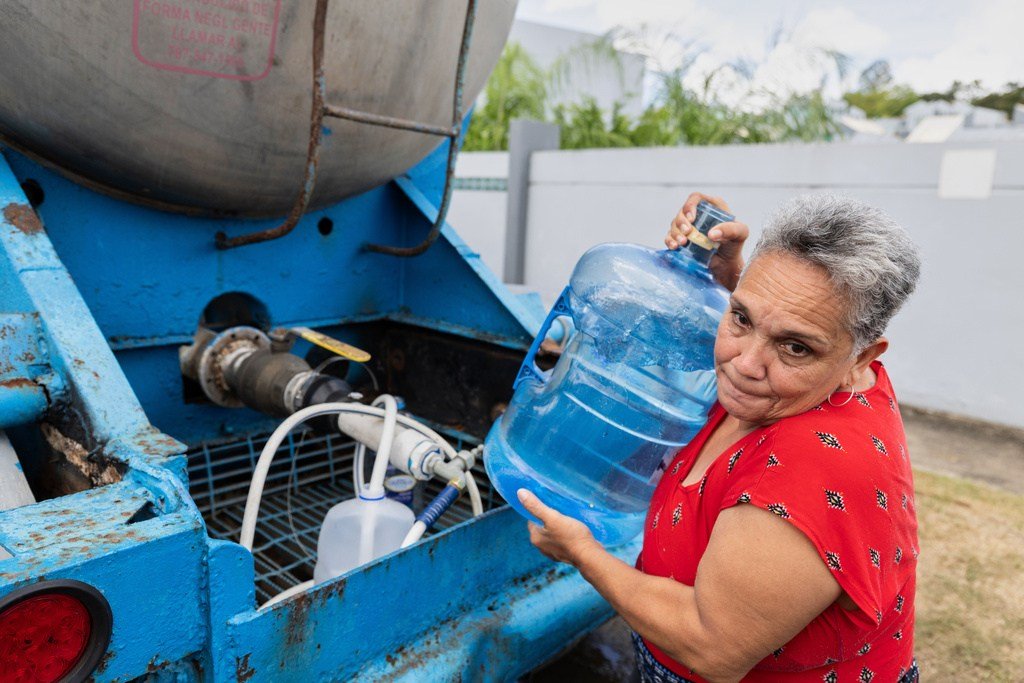
As Puerto Rico endures its worst drought in nearly a century, much of San Juan is under severe water rationing—a stark reminder of the island's crumbling infrastructure. But the water crisis is just the latest symptom of a deeper rot. For over a decade, Puerto Rico's electricity grid has been in a state of emergency, and the federal oversight board created to fix it has instead kept the island's power utility mired in bankruptcy.
In 2016, Congress established the Financial Oversight and Management Board (FOMB) to steer Puerto Rico's economic recovery. Yet ten years later, the Puerto Rico Electric Power Authority (PREPA) remains in a perpetual bankruptcy, leaving residents with unreliable power and the island's economy shackled. The board's failure is not an accident—it's a design flaw.

The core problem, argues former Gov. Luis Fortuño, is that the board's mainland members don't live in Puerto Rico. They don't feel the daily impact of their decisions, which have delayed critical investments in the grid. Last August, President Trump fired six of seven board members for ineffectiveness, but three have challenged their dismissals in court, prolonging the gridlock.
Fortuño, who served as governor from 2009 to 2013, contends that the solution is straightforward: put local leaders back in charge. When the board first convened in 2016, it had strong on-island representation, led by Puerto Rican businessman Jose Carrion. Under that leadership, Puerto Rico reached consensual debt restructuring deals that slashed government debt by more than $40 billion.
The current board, by contrast, is dominated by mainland bankruptcy professors. Both the current and previous chairs teach corporate bankruptcy law but lack real-world experience with public utilities. The current chair has even rejected two previously signed consensual PREPA debt restructuring agreements, leaving the utility in limbo.
Meanwhile, the board has squandered over half a billion dollars of Puerto Rican taxpayer money on New York attorneys and consultants who have made little progress in nearly a decade. This is not just a fiscal failure; it's a human one. Residents pay high rates for unreliable service, and the island's economic growth remains stunted.
Fortuño points to a path forward: The Supreme Court's recent rulings in Trump v. Cook and Trump v. Slaughter affirm the president's authority to fire board members. He urges local elected officials to support the Trump administration in filling the three vacant seats with qualified Puerto Rican leaders. Then, consistent with those rulings, the administration should terminate the three remaining members who challenged Trump's dismissals.
As the island grapples with water and power crises, the need for decisive action has never been clearer. The federal oversight board was meant to be a lifeline, but it has become a millstone. Replacing mainland academics with on-island business leaders—people who understand the island's needs and are accountable to its people—could finally break the cycle of neglect and move Puerto Rico toward a more reliable and sustainable infrastructure future.