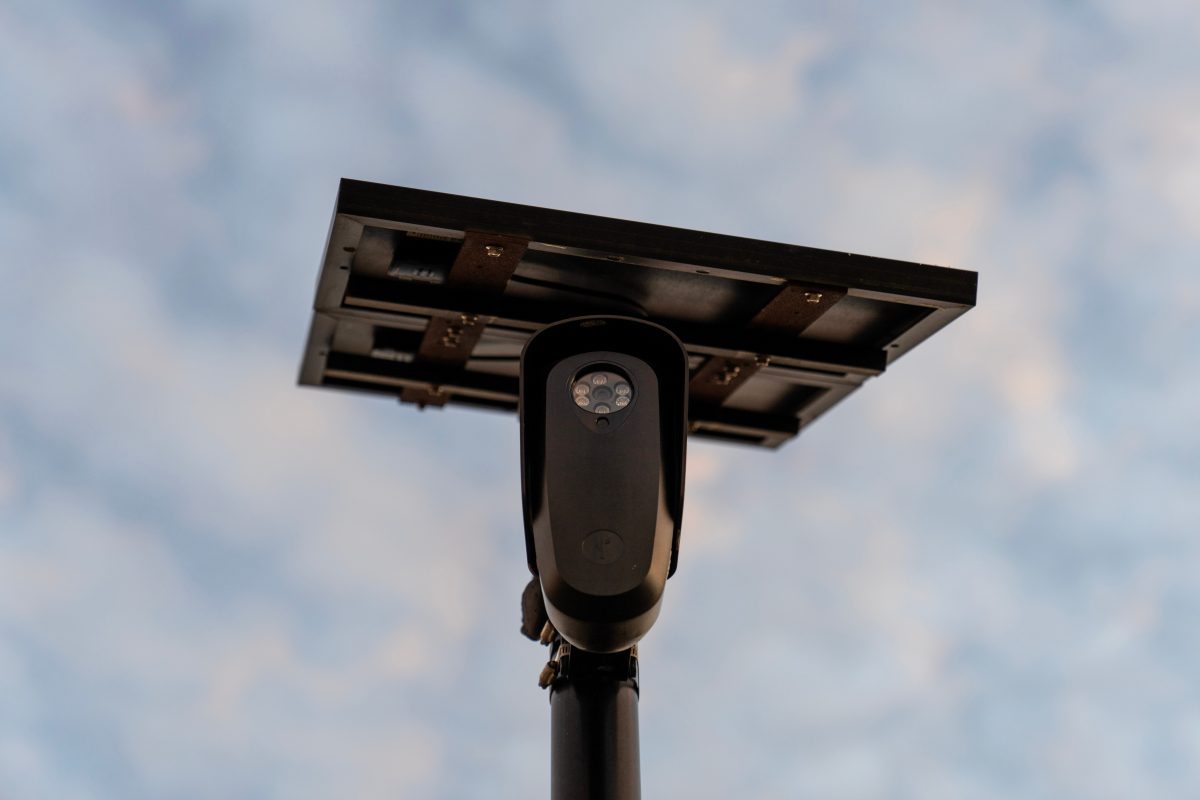
Automated license plate readers (ALPRs) have become a ubiquitous feature of American roadways, with Flock Safety emerging as the most recognizable brand. But these devices, which have existed for more than two decades, are just one part of a broader surveillance ecosystem that has drawn increasing scrutiny from civil liberties advocates and some lawmakers.
At their core, ALPRs—whether mounted on poles, streetlights, or overpasses—capture a vehicle's license plate, make, model, and color. Flock claims its cameras can read plates at speeds up to 100 mph, day or night, from as far as 75 feet away. The technology can also flag whether a vehicle is registered to a resident or non-resident, if it has a temporary or standard plate, and note visible damage or alterations like a broken taillight.

Competitors offer similar capabilities. Genetec's system can estimate a vehicle's travel speed, while Motorola Solutions says its technology can identify accessories and unique features such as bumper stickers. Motorola accounts for roughly 5 percent of ALPR locations tracked by DeFlock, a crowd-sourced mapping project.
Importantly, Flock cameras capture only point-in-time images of vehicle rears on public roads, meaning they cannot continuously track every vehicle or person in a jurisdiction—only those that pass directly in front of a lens. That distinction has not quelled concerns about the potential for mass surveillance.
Law enforcement agencies use ALPRs to scan plates against databases and receive alerts when a sought-after vehicle is detected. They can also review past captures to search for vehicles and share data with other agencies. But the proliferation of these systems has prompted pushback. Communities in North Carolina, Indiana, Colorado, and Wisconsin have moved to discontinue ALPR use. The Florida Department of Transportation has begun removing cameras from state highways, and Texas has pulled state funding following privacy concerns, misuse accusations, and what Florida officials described as "surveillance schemes."
Despite the backlash, President Trump recently expressed support for the technology. "No, I sort of like them because of that, because of law enforcement. But some people don't. They think it's an infringement," Trump told reporters on Air Force One earlier this month when asked about Flock cameras, adding, "I like them."
The debate over ALPRs is part of a larger national conversation about the balance between public safety and privacy. As more cities and states reconsider their contracts with vendors like Flock, the future of automated license plate surveillance remains uncertain. For now, drivers should assume that their vehicles may be scanned and logged by a growing network of cameras—whether they notice them or not.
For those curious about camera locations, DeFlock offers a crowd-sourced map of ALPR sites across the U.S., compiled from volunteer reports and OpenStreetMap data. Nexstar could not independently verify those locations.
As the technology evolves and legal challenges mount, the coming months will likely bring more scrutiny—and possibly more decisions by state and local governments to either embrace or reject the cameras. The outcome will shape not only law enforcement tactics but also the everyday privacy expectations of millions of Americans.