The federal prohibition on home distilling, a law that has stood for 158 years, is facing its most serious constitutional challenge in decades. The U.S. Court of Appeals for the Fifth Circuit recently ruled that the ban exceeds Congress's enumerated powers, marking a sharp departure from precedent and creating a direct conflict with the Sixth Circuit, which upheld the same law just days later.
The case, brought by the Buckeye Institute on behalf of would-be home distillers, argues that producing spirits for personal consumption is a non-commercial, intrastate activity that falls outside federal jurisdiction. Judge Edith Jones, writing for the Fifth Circuit, concluded that neither the taxation power nor the Necessary and Proper Clause gives Congress the authority to criminalize a hobby with roots stretching back to the Founding era.
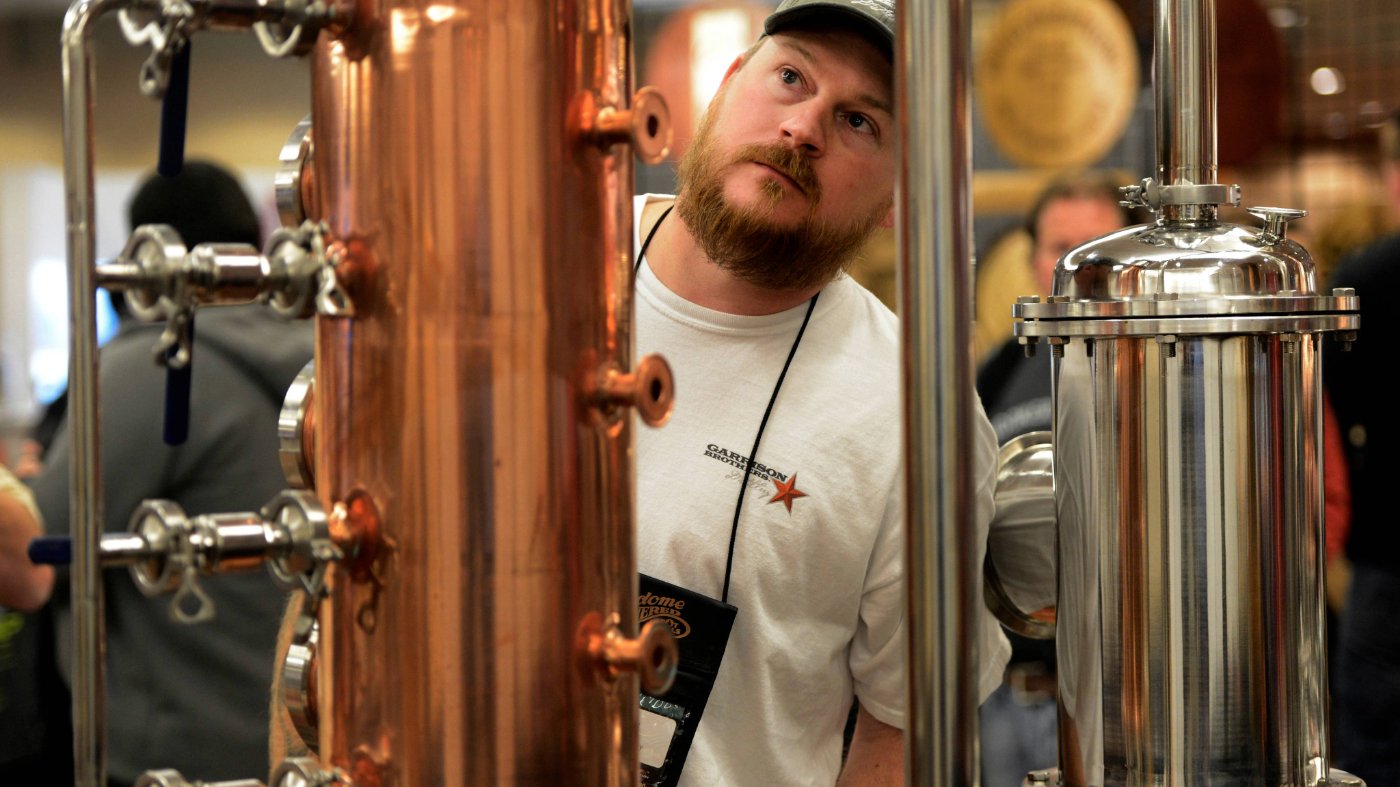
Under current federal law, even a single ounce of homemade liquor can trigger felony charges, up to $10,000 in fines, and seizure of property. This stands in stark contrast to the legality of home brewing beer or wine, which remain permitted. The disparity has fueled criticism that the law is arbitrary and punitive.
Plaintiff John Ream, in his filings before the Sixth Circuit, pushed the argument further, asserting that the ban also violates the Commerce Clause. He contends that distilling at home for personal use involves neither commerce nor interstate activity, a distinction the Supreme Court has grappled with since the New Deal era.
The Supreme Court's 1942 decision in Wickard v. Filburn allowed Congress to regulate wheat grown for personal consumption under the Commerce Clause, a ruling that critics say opened the door to overreach. That logic was extended in Gonzales v. Raich (2005), which upheld federal authority over homegrown medical marijuana as part of a comprehensive regulatory scheme. But the federalism revolution of the 1990s, which imposed limits on Congress's power in cases like United States v. Lopez, suggested a shift that has since stalled.
The circuit split between the Fifth and Sixth Circuits now creates a perfect opportunity for the Supreme Court to revisit the scope of federal power. Legal experts say the combination of a statute being struck down and conflicting appellate rulings makes Supreme Court review nearly inevitable. The case could clarify whether the Commerce Clause, taxation power, or Necessary and Proper Clause can justify regulating purely personal, non-economic activities.
Robert Alt, president of the Buckeye Institute and attorney for the plaintiffs, framed the issue as a matter of constitutional principle. “This isn't about whiskey,” he said. “It's about whether the federal government can criminalize something that happens entirely within the walls of a private home, with no interstate impact.” He noted that the Founding Fathers, including George Washington, were known to distill spirits at home, making the ban historically and culturally inconsistent with American traditions.
The case also raises broader questions about federal overreach, a theme that resonates with voters concerned about government intrusion. A recent poll found that 61% of Americans view certain federal actions as missteps, reflecting a public wary of expansive government power.
If the Supreme Court takes up the case, it could have implications beyond home distilling. The ruling might limit Congress's ability to regulate activities that are neither commercial nor interstate, potentially affecting areas like drug policy, firearm possession, and environmental regulations. Alt argues that the court should apply the same logic used in the 1990s to rein in the Commerce Clause, which has been stretched to cover everything from wheat farming to medical marijuana.
The Biden administration has not yet signaled whether it will seek Supreme Court review, but the Justice Department is expected to defend the law. Meanwhile, home distilling enthusiasts are watching closely, hoping for a decision that would legalize a practice they see as a fundamental right.
As the legal battle unfolds, the core question remains: Can Congress ban an activity that involves no interstate commerce and takes place entirely within a private home? The answer, as the circuit split shows, is far from settled. But for now, the Fifth Circuit has opened the door to a constitutional debate that could reshape the limits of federal power.