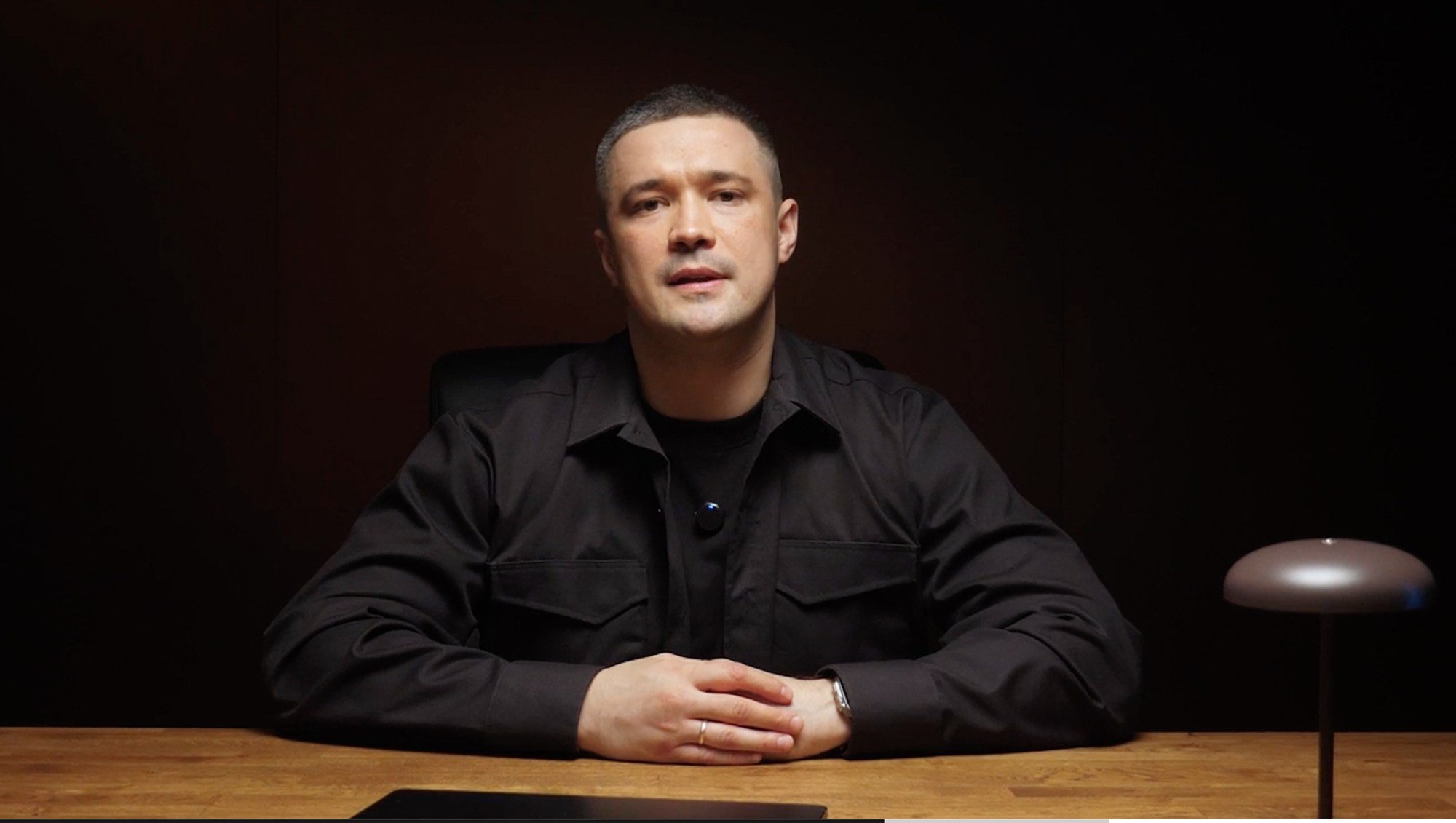
In a move that has sent shockwaves through Kyiv, Mykhailo Fedorov, the former Ukrainian defense minister and once a close ally of President Volodymyr Zelensky, has publicly called for a legal pathway to hold elections while the country remains under martial law. His demand, delivered via a new YouTube channel, directly challenges Zelensky's authority and the constitutional provisions that currently suspend elections during wartime.
Fedorov's call comes weeks after Zelensky dismissed him amid a leadership dispute with then-commander-in-chief Oleksandr Syrskyi. Syrskyi's departure and Fedorov's firing triggered public protests, as Fedorov was widely credited with revitalizing Ukraine's battlefield performance and expanding operations deep into Russian territory, targeting oil infrastructure and military supply lines. His new gambit, however, has been met with sharp criticism from political analysts who see it as a self-serving power play rather than a genuine democratic initiative.

In his video, Fedorov argued, "We must not let [Russian President Vladimir] Putin decide when Ukrainians can choose their government." But this framing has been dismissed as a straw man. Putin is not the obstacle; Ukraine's own constitution is. Article 83 explicitly extends the parliament's term during martial law, and the constitution forbids amendments under such conditions. The only legal route to elections would be for Zelensky to lift martial law—a move that would be reckless while Russia continues its daily missile and drone attacks on Ukrainian cities and infrastructure.
Even if a legal loophole were found, the practical challenges are staggering. More than 8,000 polling stations—a quarter of the total—are either in Russian-occupied territories or on the front lines. Between 4 and 5 million Ukrainian citizens live under Russian occupation, and disenfranchising them would be both undemocratic and politically explosive. Additionally, nearly 1 million soldiers are serving on the front lines, and up to 7.5 million Ukrainians are refugees abroad. Conducting a free, fair, and safe election under these conditions is widely considered impossible.
Critics also point to the geopolitical risks. Moscow has long claimed that Zelensky is illegitimate and has made new elections a precondition for any peace settlement. By pushing for elections, Fedorov is inadvertently playing into Putin's narrative and undermining Ukraine's negotiating position. Moreover, his move strengthens the hand of U.S. Vice President JD Vance, a known skeptic of Zelensky who has pressured Ukraine to curtail drone strikes on Russian oil tankers to stabilize global energy markets. Zelensky reportedly agreed to those terms to secure a license to produce Patriot missile interceptors, a deal Trump praised during a NATO meeting in Ankara in early July.
Fedorov's timing is suspect. Zelensky's approval ratings have slipped, and hypothetical matchups show him running neck-and-neck with both Fedorov and former commander-in-chief Valeriy Zaluzhnyi, with Zelensky likely losing a runoff against either. This has led many to view Fedorov's move as an opportunistic "Et tu, Brute?" moment, reminiscent of Shakespeare's Julius Caesar.
Yet early reactions in Kyiv suggest Fedorov may have overplayed his hand. His ambition and impatience could backfire, as Ukraine faces a critical winter with sustained Russian attacks. The country needs unity, not internal division. As one Kyiv insider put it, the last thing Ukraine needs is a "dead or badly wounded Caesar."
For now, Fedorov must decide whether to back down and close ranks, or continue a gambit that risks fracturing the wartime consensus. The stakes could not be higher, as Ukraine's survival and sovereignty hang in the balance.