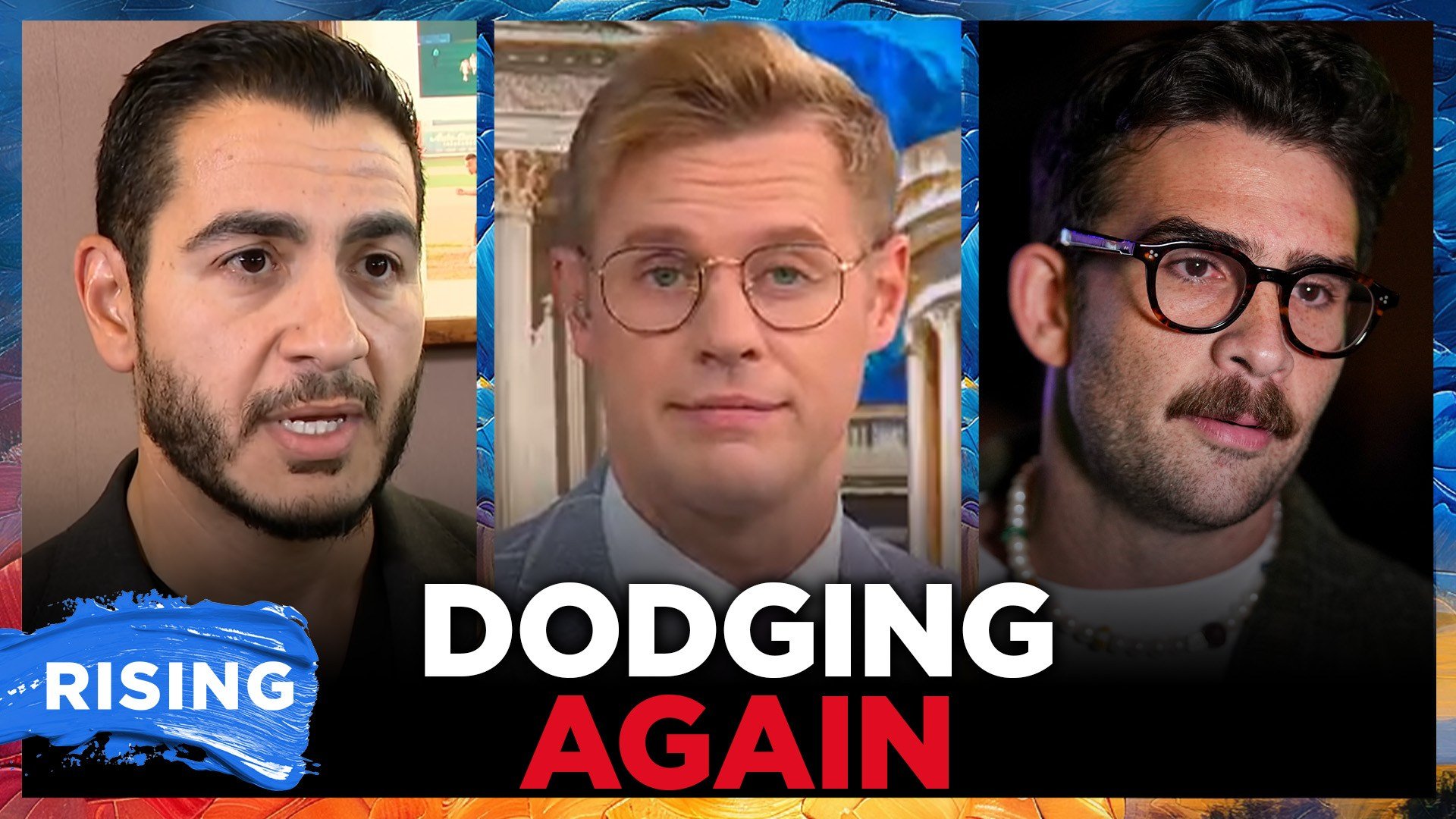
Michigan Senate candidate Abdul El-Sayed is finding himself in a political bind: he can't seem to muster a clear condemnation of Twitch streamer Hasan Piker, a man he once proudly campaigned alongside. Piker, known for his leftist commentary, has made headlines for saying America deserved the 9/11 attacks and praising China's authoritarian governance. Now, as El-Sayed pivots to the general election, he is facing pressure from Jewish voters and others who are alarmed by Piker's rhetoric, particularly regarding Israel.
El-Sayed's relationship with Piker was a calculated move during the Democratic primary, when he sought to energize the progressive base. Piker's massive online following was seen as a valuable asset, and El-Sayed welcomed him to Michigan with open arms. But now that the general election is here, El-Sayed seems to be distancing himself, dismissing Piker as merely "a Twitch streamer from California" whose influence shouldn't be a campaign issue. Critics argue this is a convenient reversal: when Piker was useful, he was a key ally; now that he's a liability, he's just a random outsider.
The controversy reached CNN, where Democratic strategist Faiz Shakir attempted to defend El-Sayed's silence, arguing that the race shouldn't hinge on the comments of an online personality. But the defense fell flat, especially when compared to the GOP's handling of similar situations. The right, for instance, was quick to condemn comedian Tony Hinchcliffe for his offensive remarks, and even Donald Trump disassociated from Nick Fuentes after a dinner meeting, claiming he didn't know who Fuentes was. The contrast is stark: Trump didn't choose Fuentes; El-Sayed actively courted Piker.
What's more, this isn't about Trump, who isn't on the ballot in Michigan. This is about choosing between a senator who represents mainstream Republican values and one who aligns with the far-left fringe. El-Sayed's reluctance to address Piker's comments suggests he may not be ready to represent the broader electorate. The tepid response from El-Sayed has left many Jewish voters in the state feeling unheard and concerned about his judgment.
Some Democrats argue that the focus on Piker is a distraction, a media obsession that doesn't reflect the issues that matter to Michiganders. But as Piker's role in the campaign continues to spark debate, it's clear that the controversy has legs. El-Sayed's inability to clearly denounce Piker's statements is a significant political liability, and it raises questions about his own values and whether he truly condemns Piker's views or simply wishes they would go away.
Perhaps the real frustration for many on the left is not that the standard is unfair, but that they secretly don't have a major problem with what Piker says. They might wish he'd tone it down, but they can't bring themselves to reject his core message that America is often the villain. This worldview, popular in certain progressive circles, is at odds with the majority of Americans who see their country in a more positive light. The question for voters in Michigan is whether they want to send someone to the Senate who is willing to stand up to that kind of rhetoric, or someone who is willing to overlook it for political gain.
As the general election approaches, El-Sayed's handling of this issue will be a test of his political courage and his ability to represent all constituents, not just the progressive base. He has already ruled out campaigning with Piker, but that may not be enough. The endorsement from Representative Jim Clyburn urging voters to accept apologies may help, but El-Sayed has yet to offer a clear apology or denunciation. Time will tell if this becomes a decisive issue in the race.