The Justice Department escalated its clash with Democratic-led states on Thursday, filing lawsuits against Maine, Washington, Oregon, and Massachusetts for denying confidential license plates to federal immigration officers.
Acting Attorney General Todd Blanche announced the legal action, accusing the governors of pursuing what he called discriminatory policies that hamper federal law enforcement. “By denying undercover license plates to DHS components, including ICE, while issuing them to their own state agencies, these governors are pursuing discriminatory and obstructionist policies against federal law enforcement,” Blanche said in a statement. “These actions undermine federal immigration enforcement, allow dangerous criminals to escape justice, and terrorize American communities.”
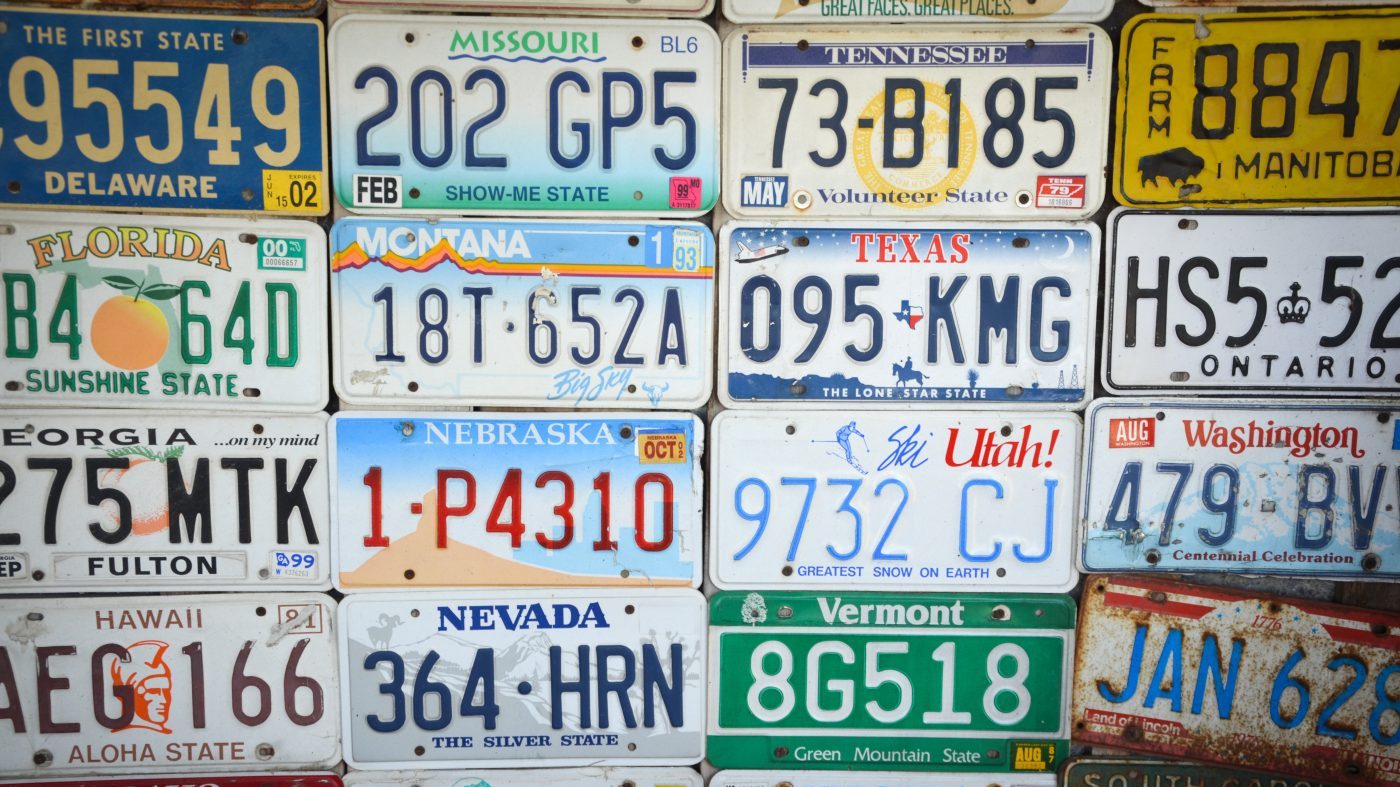
The lawsuits follow a warning letter the DOJ sent earlier this month, demanding that the states comply. The dispute centers on the use of confidential plates—often called undercover plates—that allow law enforcement vehicles to operate without being easily identified by the public. States routinely issue them to agencies involved in criminal investigations, but Massachusetts and others have drawn a line at immigration enforcement, which is largely a civil matter under federal law.
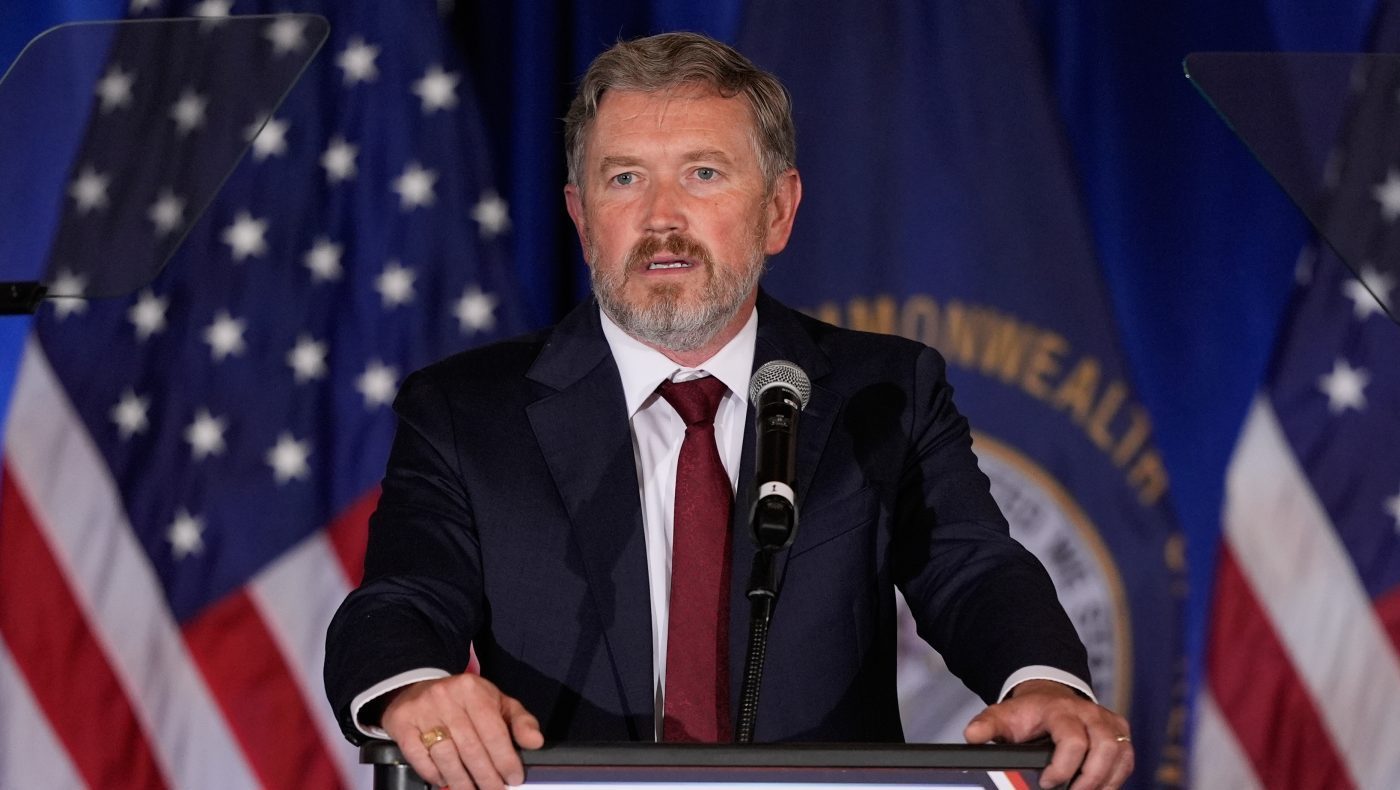
In Massachusetts, state policy grants confidential plates to agencies engaged in criminal law enforcement, not civil enforcement. A spokesperson for Governor Maura Healey pushed back hard against the DOJ’s characterization. “Massachusetts is not going to allow state resources to be used to help ICE operate in secret while they are violating people’s rights and making us all less safe,” said Jacqueline Manning, Healey’s spokesperson. “Any federal, state or local agency engaging in legitimate criminal law enforcement work can receive a confidential plate. We all know that’s not what ICE is doing. This is an agency that can’t and won’t even tell us who they are arresting and why. We are not going to enable their tactics.”
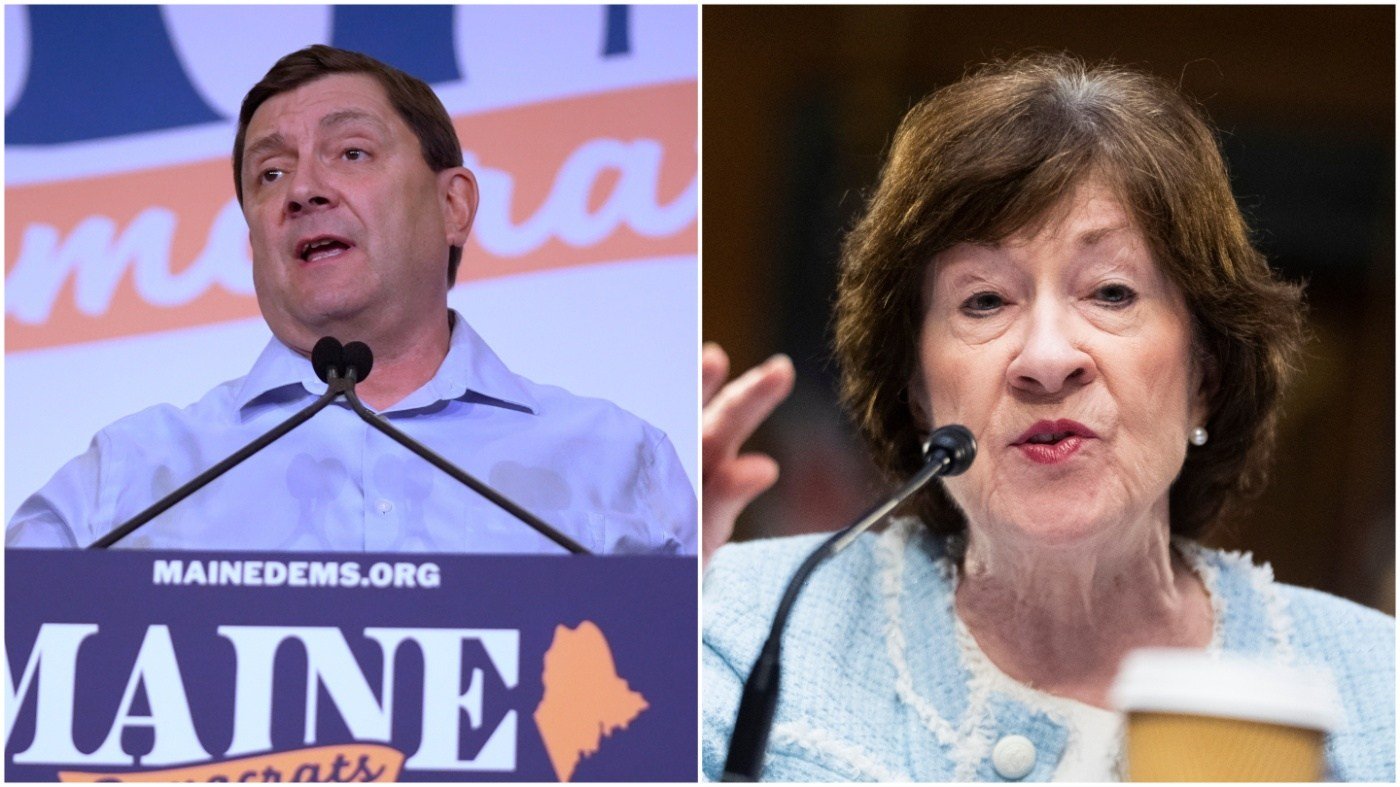
The other states named in the suits have been less vocal. Maine and Oregon did not respond to requests for comment, and Washington’s State Department of Licensing declined to discuss the matter.
The legal battle underscores a broader tension between the Trump administration and states that have resisted aggressive immigration enforcement. It also echoes earlier conflicts, such as the dispute over DOJ threats to sue states denying undercover plates to DHS, which previewed the current litigation. Meanwhile, the administration has pushed other controversial policies, including promoting plutonium as civilian nuclear fuel, drawing criticism over security risks.
For Massachusetts and its allies, the issue is about maintaining state sovereignty and protecting immigrant communities from what they see as overreach by federal agents. For the DOJ, it is a matter of ensuring federal officers can carry out their duties without state interference. The outcome of these lawsuits could set a precedent for how far states can go in limiting cooperation with federal immigration authorities.